How couture houses build a brand
Signature codes, the atelier story, the pyramid model and how couture funds the rest of the business.

A couture house rarely makes most of its money from couture. Couture is the top of the brand: the place where its ideas and craft are proven. Understanding this structure helps any designer plan a label that can grow.
1. Signature codes
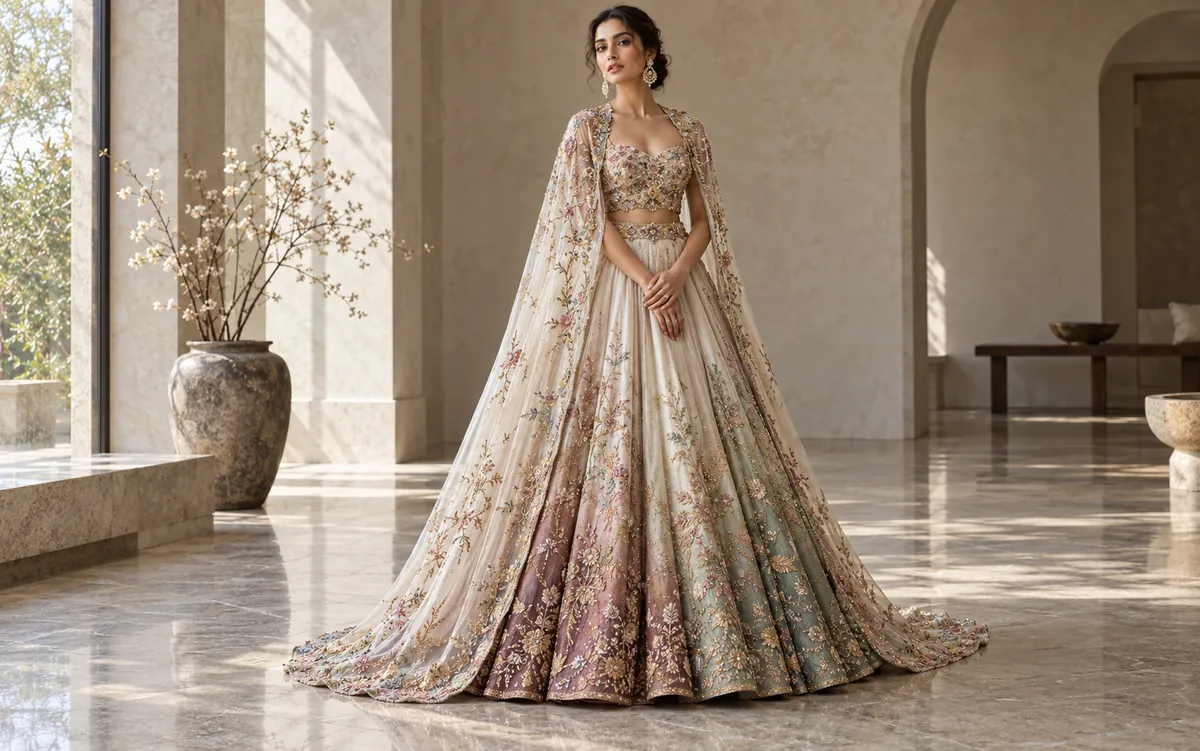
Strong houses are recognisable without a logo: a silhouette, a colour, a motif or a technique that returns every season. For an Indian couturier this might be a signature embroidery, a heritage textile or a particular palette. Codes make the brand memorable and protect it from copies.
2. The atelier story
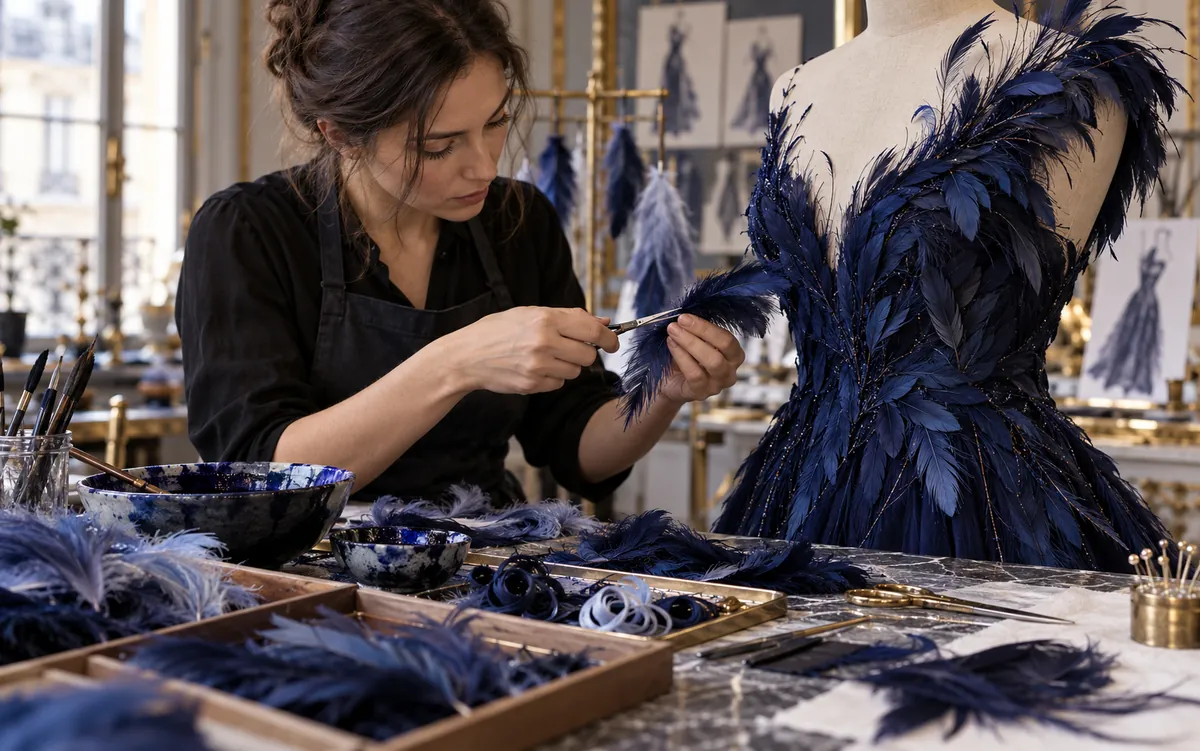
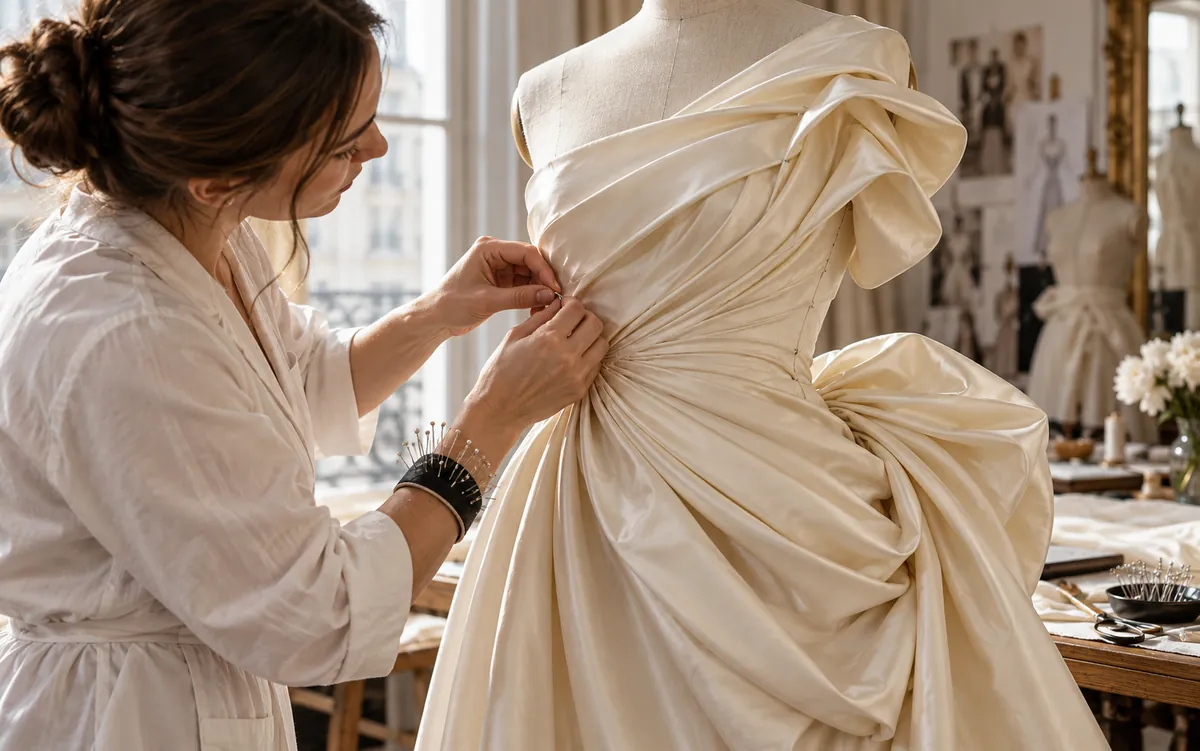
Craft is the proof. The karigars, the hours of hand work and the regional techniques are not just production details; they are the story customers pay for. Showing the atelier through process content, behind-the-scenes images and maker credits builds value.
3. The brand pyramid
- Top: couture and bridal: few pieces, highest price, highest visibility.
- Middle: made-to-order and prêt: the main revenue line, carrying the signature codes.
- Base: accessories, fragrance, home and collaborations: the most accessible entry to the brand.
4. Storytelling every season
Each collection needs a single idea a customer can repeat in one sentence. The story guides the colour, fabric, embellishment and the show or shoot, so every touchpoint feels connected.
5. Clienteling
Couture runs on relationships: fittings, appointments, alterations and lifelong service. Families who trust a house for a wedding often return for every occasion after.