What is haute couture, really?
Couture, demi-couture, ready-to-wear and bridal couture explained: what each term means and why it matters for Indian fashion.
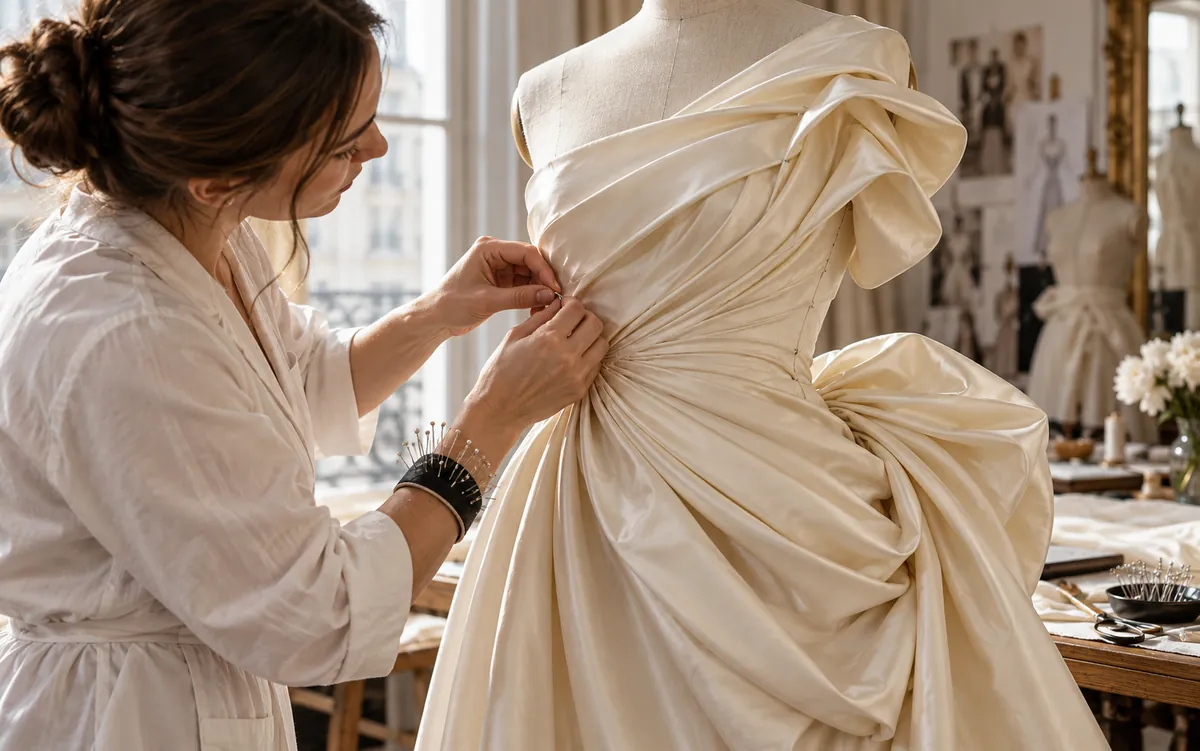
"Couture" is used for everything from a bridal lehenga to a dress in a shop window. In fashion, though, the word has a precise meaning, and understanding it helps designers and brands position their work honestly.
Haute couture: the protected term
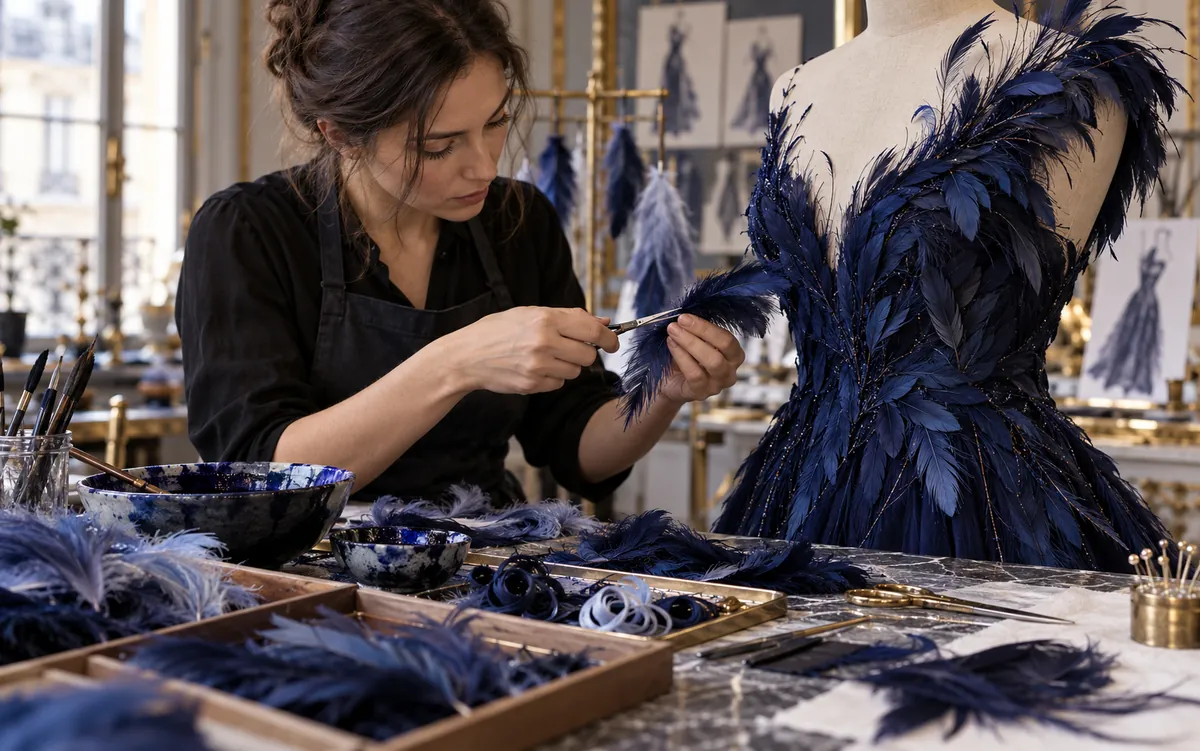
In France, haute couture is a protected designation. Houses that use it officially are members of the Paris couture federation and work to strict rules: garments made to measure for private clients, an atelier with full-time craftspeople in Paris, and collections presented each season during Paris Couture Week. That is why only a small number of houses worldwide are officially "haute couture".
Couture in the wider sense
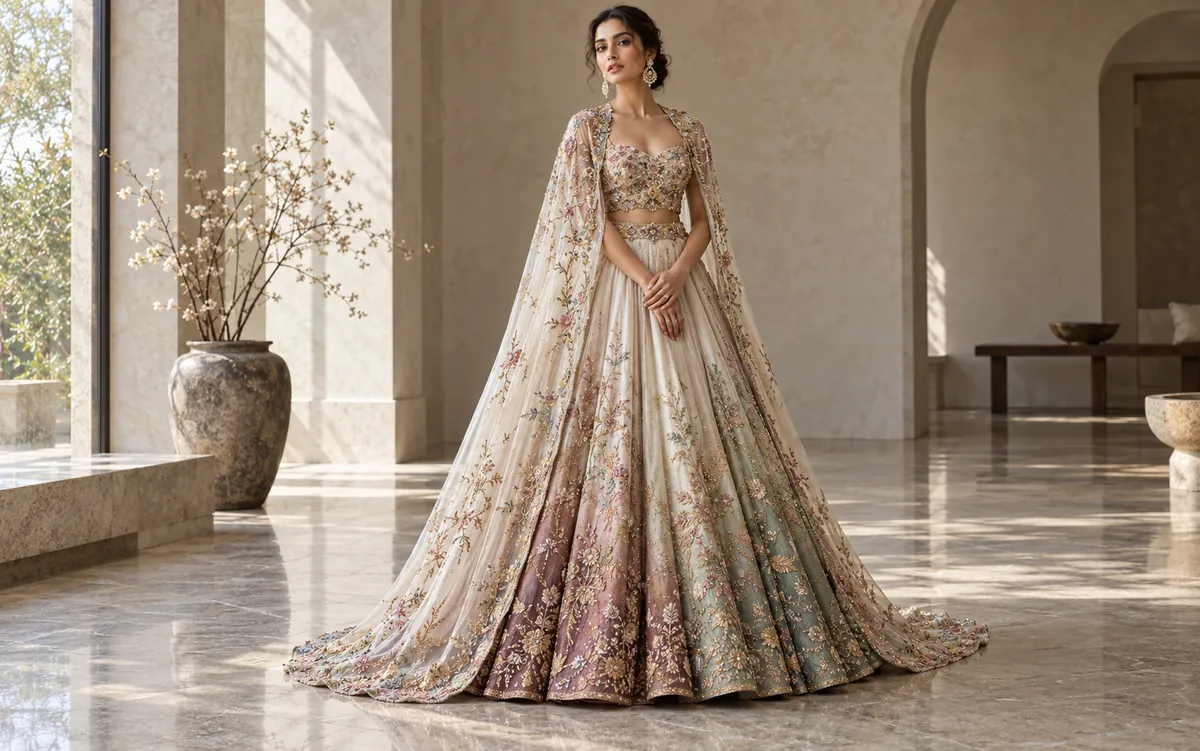
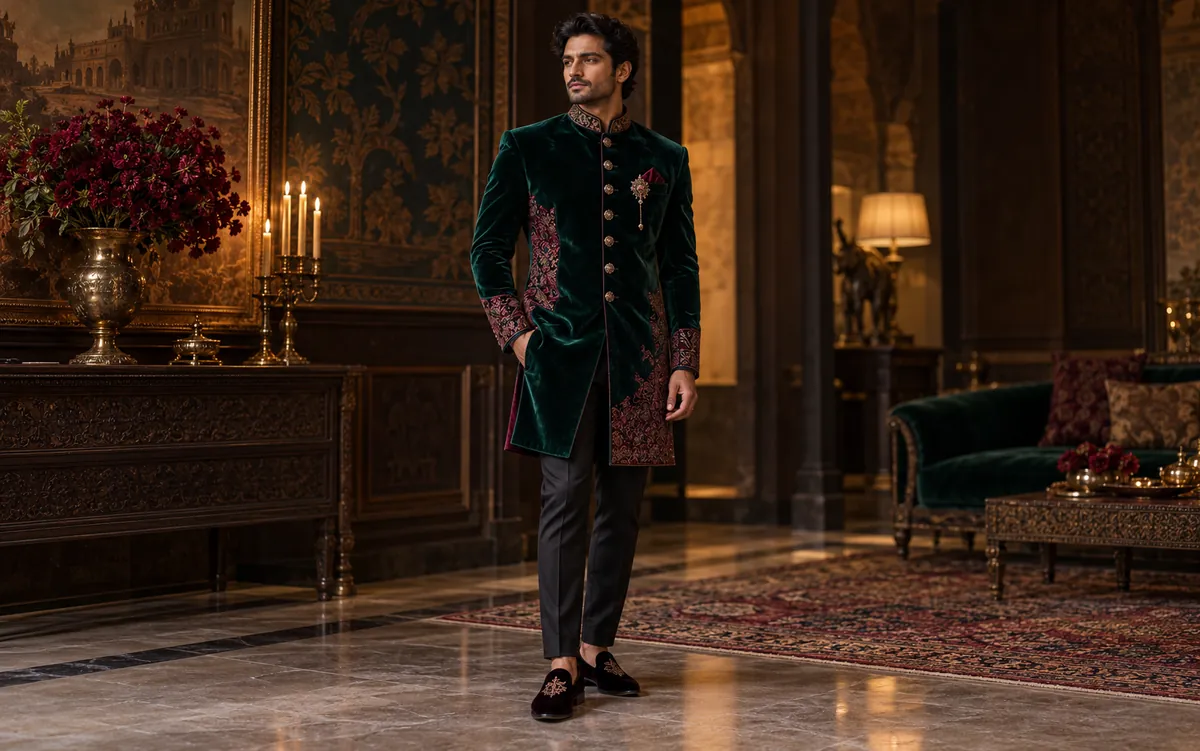
Outside that official definition, "couture" describes garments that are made to measure, cut and finished largely by hand, and built around one client. Most Indian designers use the word in this wider sense, especially for bridal and occasion wear, and Indian fashion councils run dedicated couture weeks.
The four levels
- Haute couture: official term, one-of-a-kind, made to measure, hundreds of hours of hand work.
- Couture / bespoke: made to measure for one client, with multiple fittings and extensive hand finishing.
- Demi-couture / made-to-order: a set design produced in the client's size, with limited customisation.
- Ready-to-wear (prêt): made in standard sizes for stores; may carry couture-inspired detail.
Why it matters for your brand
Customers increasingly know the difference. Using "couture" for made-to-order pieces is common, but describing exactly what is hand-made, how many fittings are included and how long the piece takes builds trust and justifies price.