Fabrics
Fabric forecast: the materials shaping the next seasons
Live fabric intelligence from runways, mills and markets. Forecut tracks more than 110 fabric and material trends across five seasons, from emerging to fading, and reads every fashion week and fabric fair for what it means for Indian brands, designers and buyers.
Live forecast · Updated 14 Oct 2026
Fabric forecast, season by season
117 fabric and material trends tracked from AW26 to AW28. Pick a season to see what is emerging, rising, peaking and fading. The bars show each trend's full lifecycle.
AW26 · Autumn/Winter 2026 · Aug 2026 – Jan 2027 · Based on runway and trade research. Full AW26 report →
Emerging 15
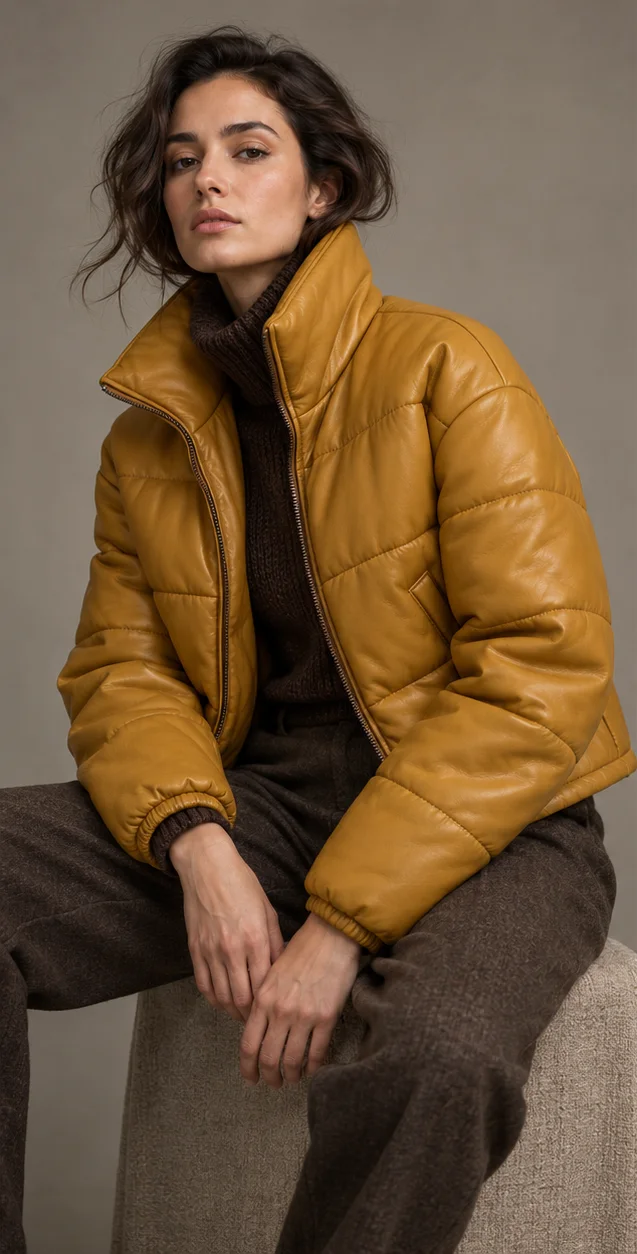
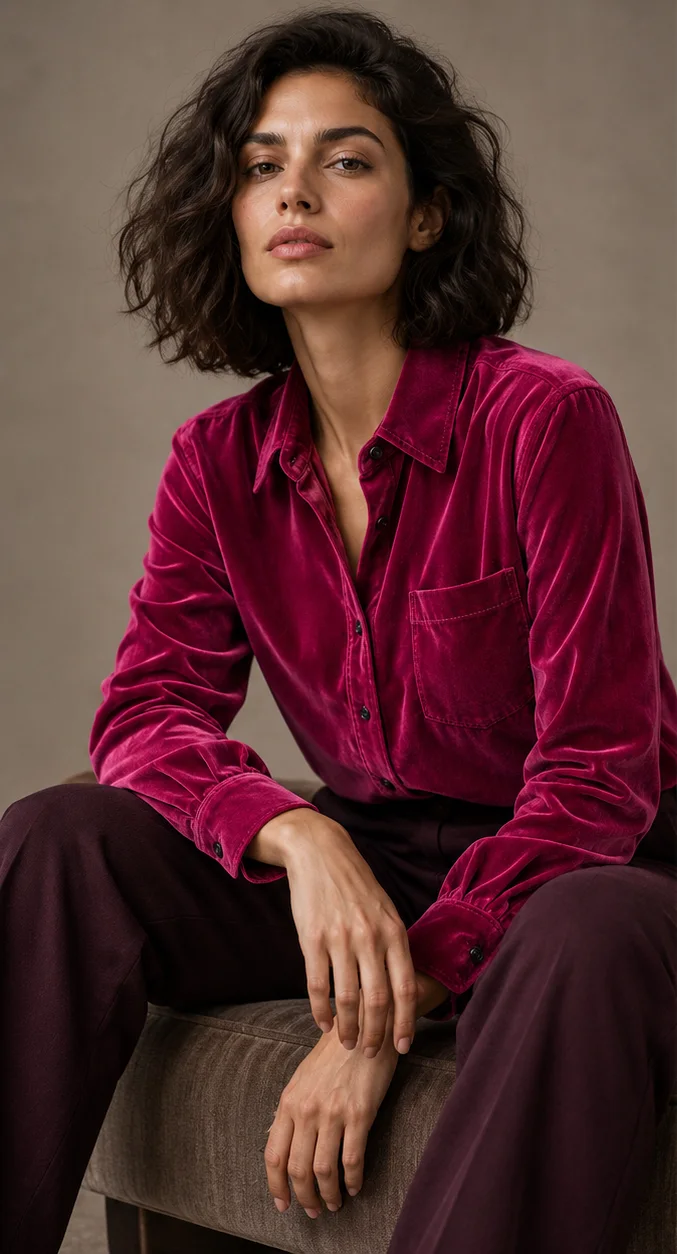
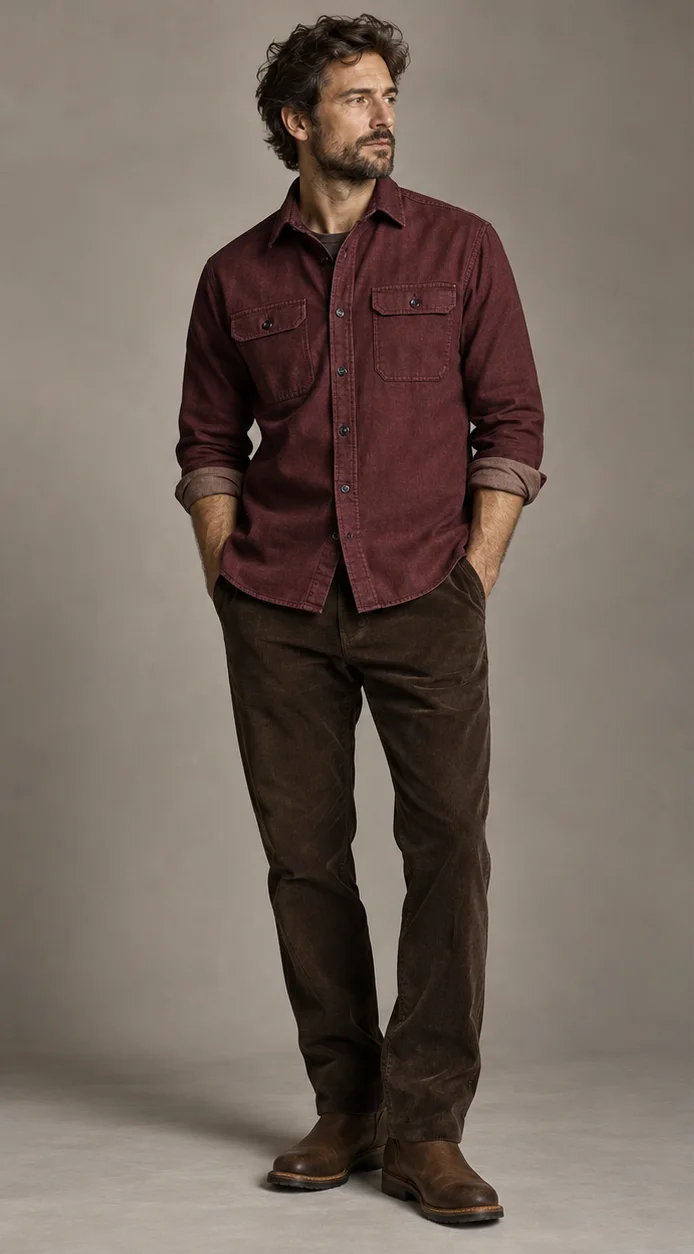
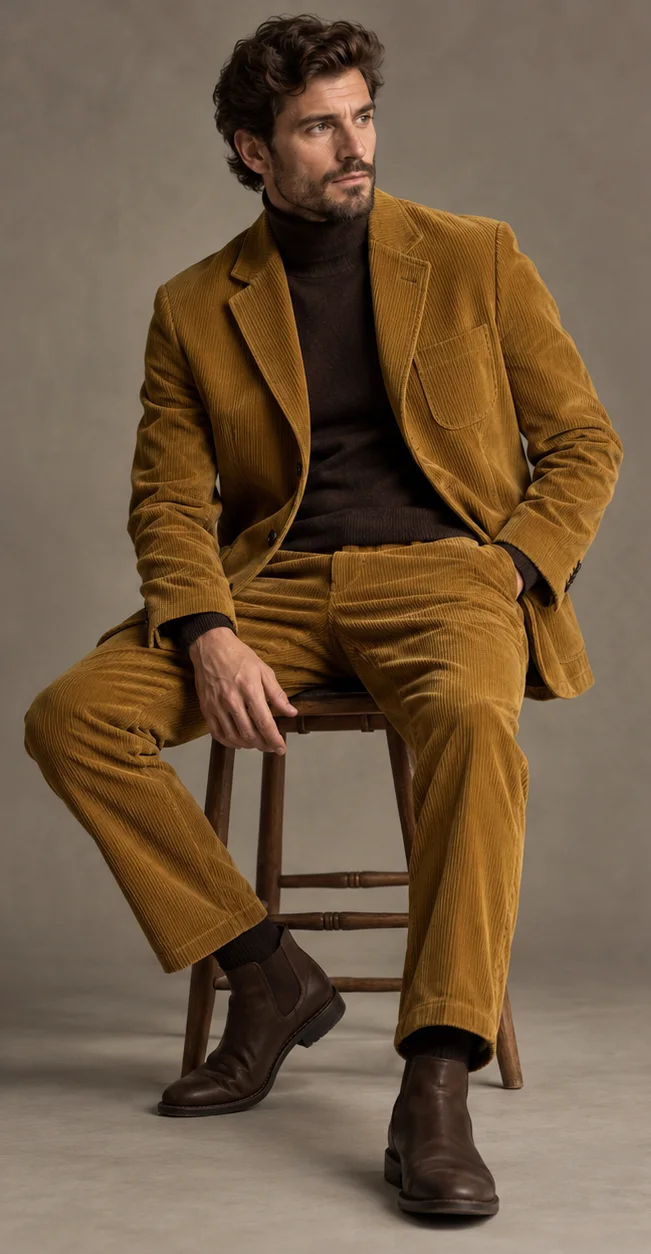
Rising 45
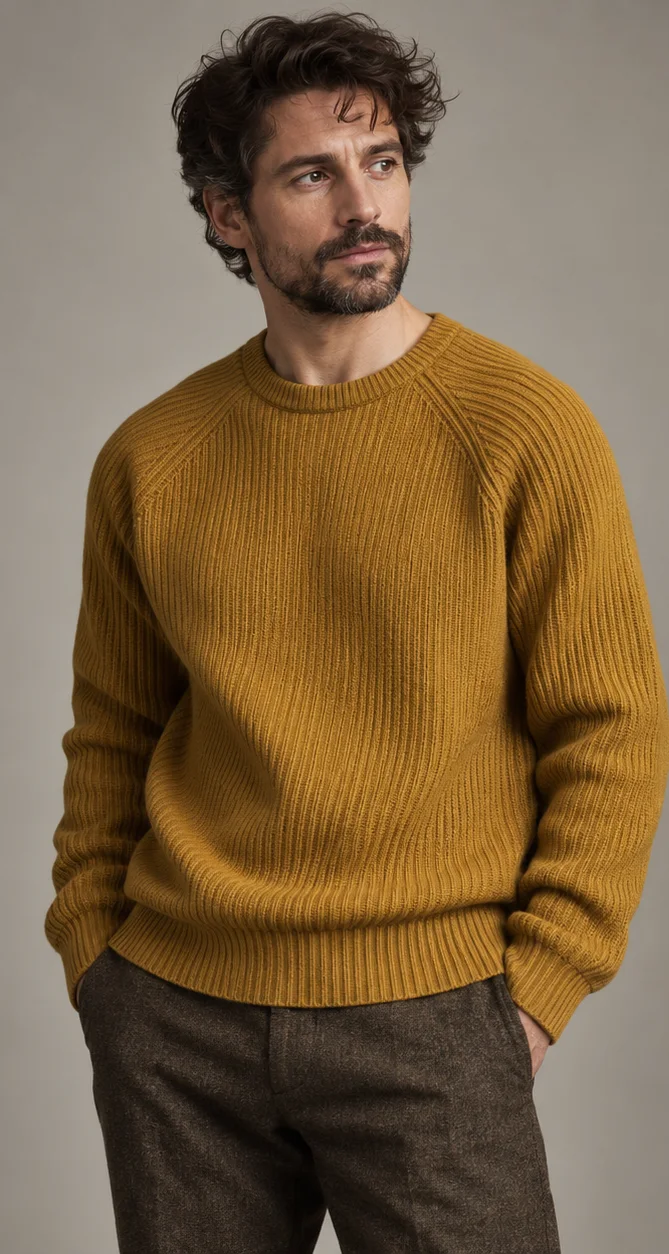
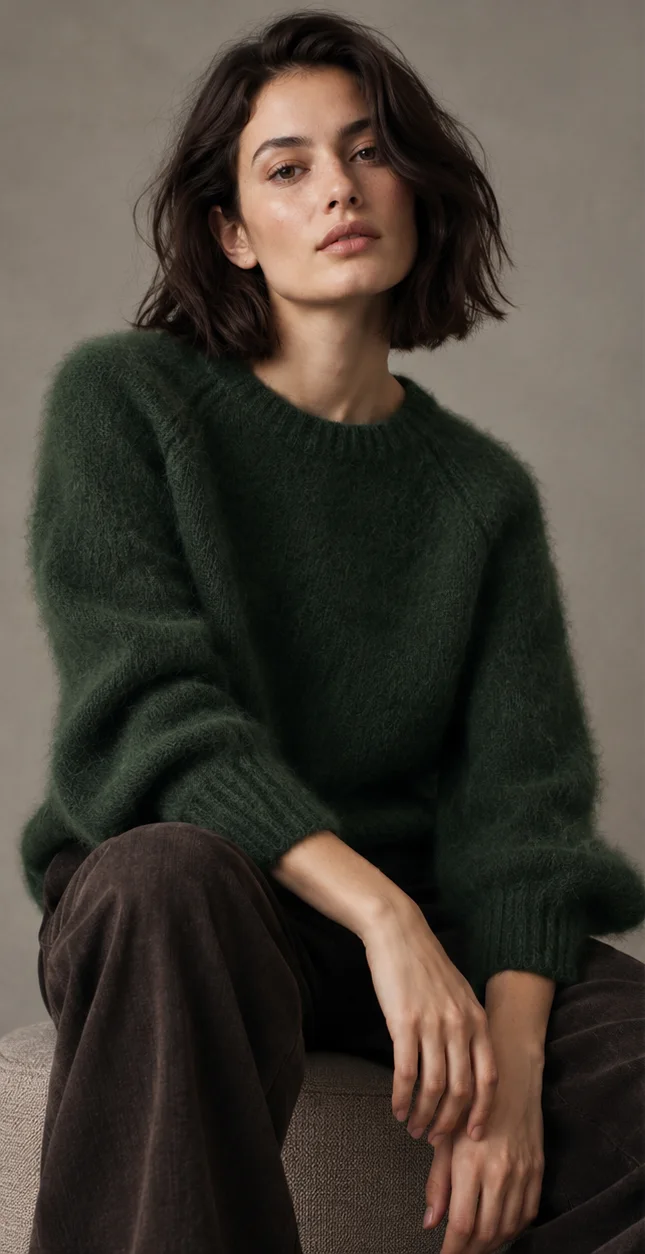
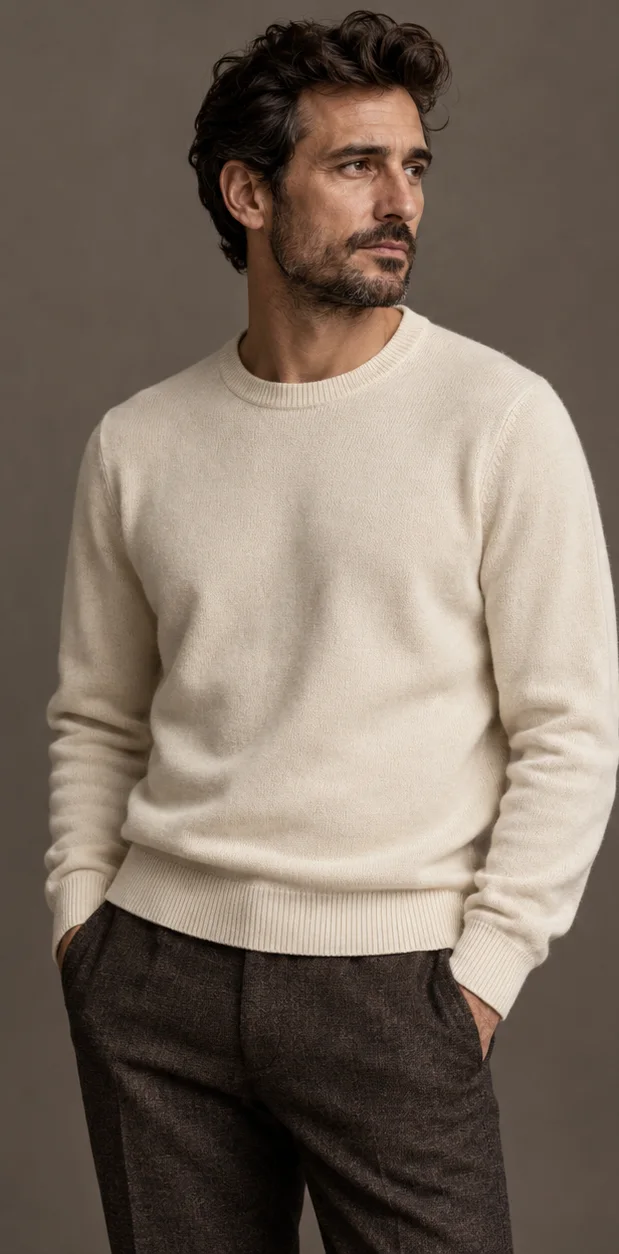
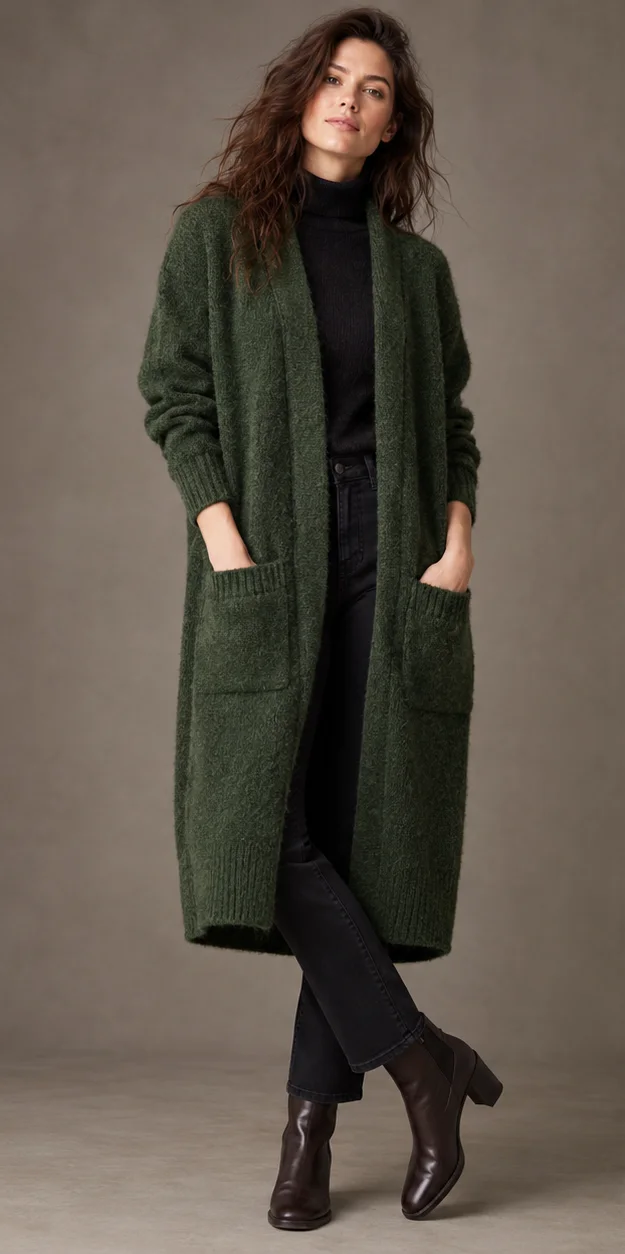
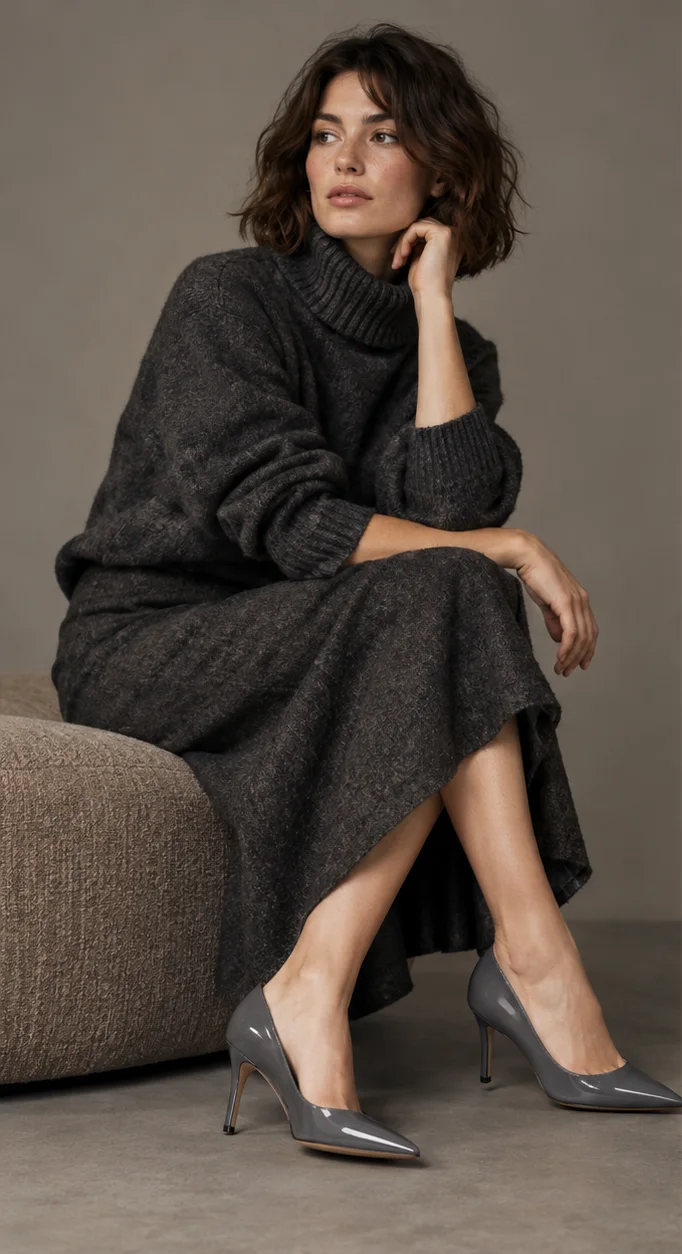
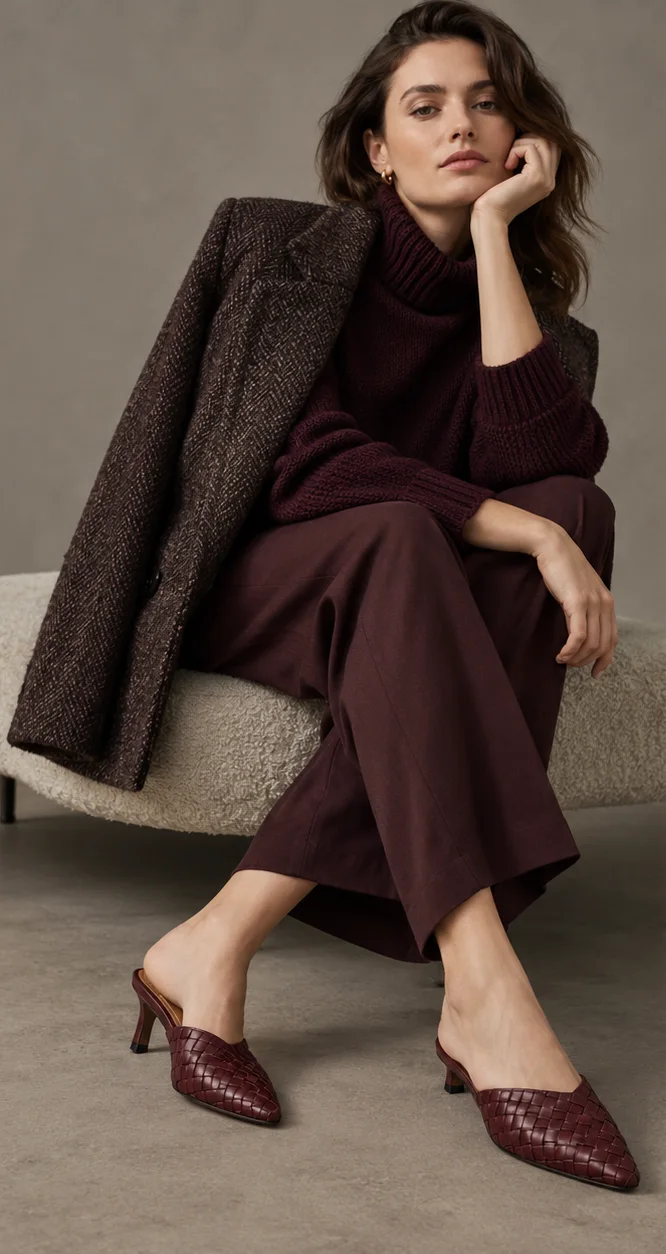
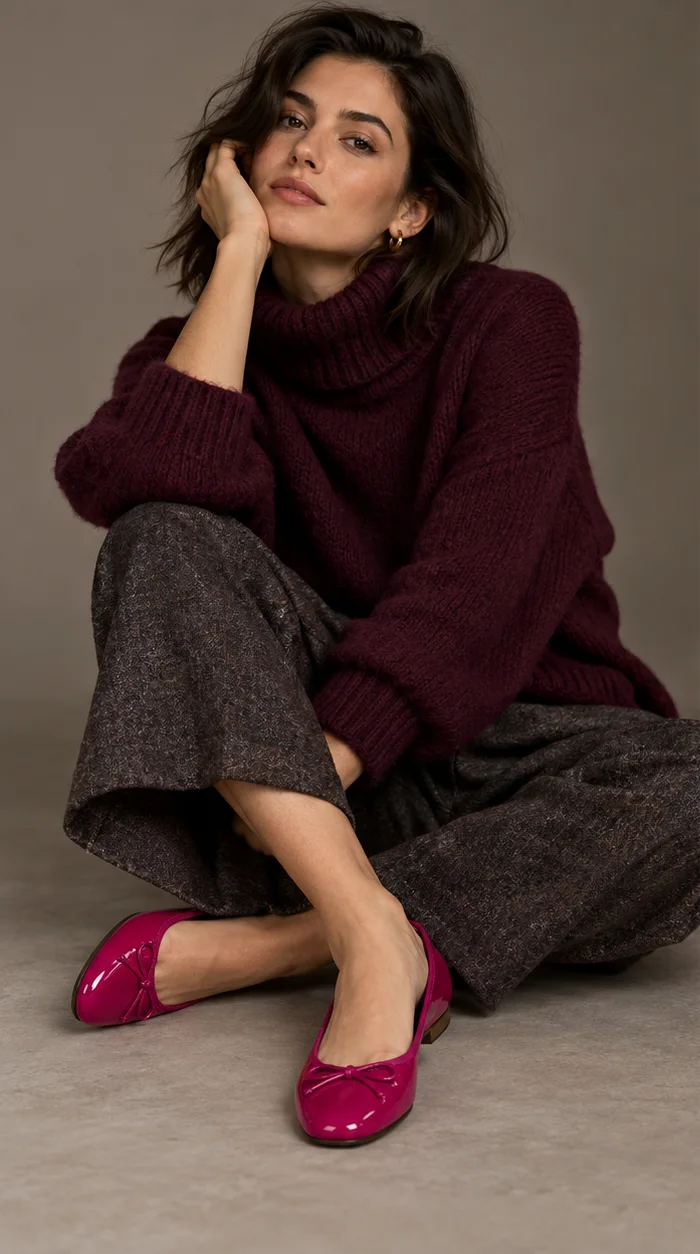
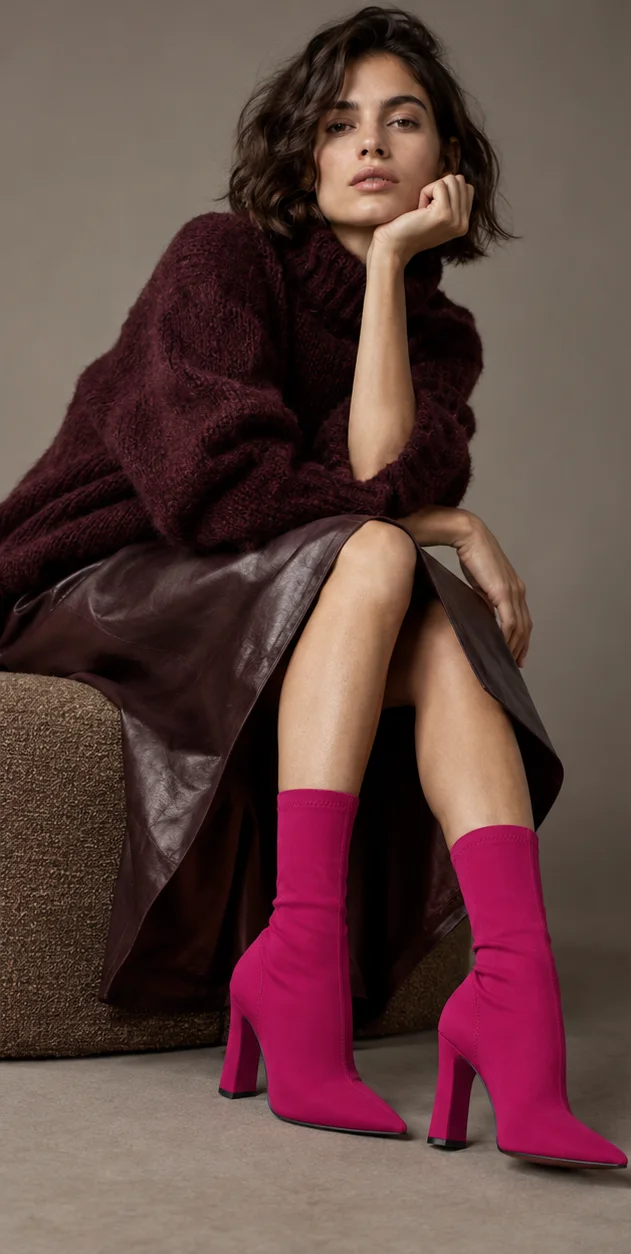
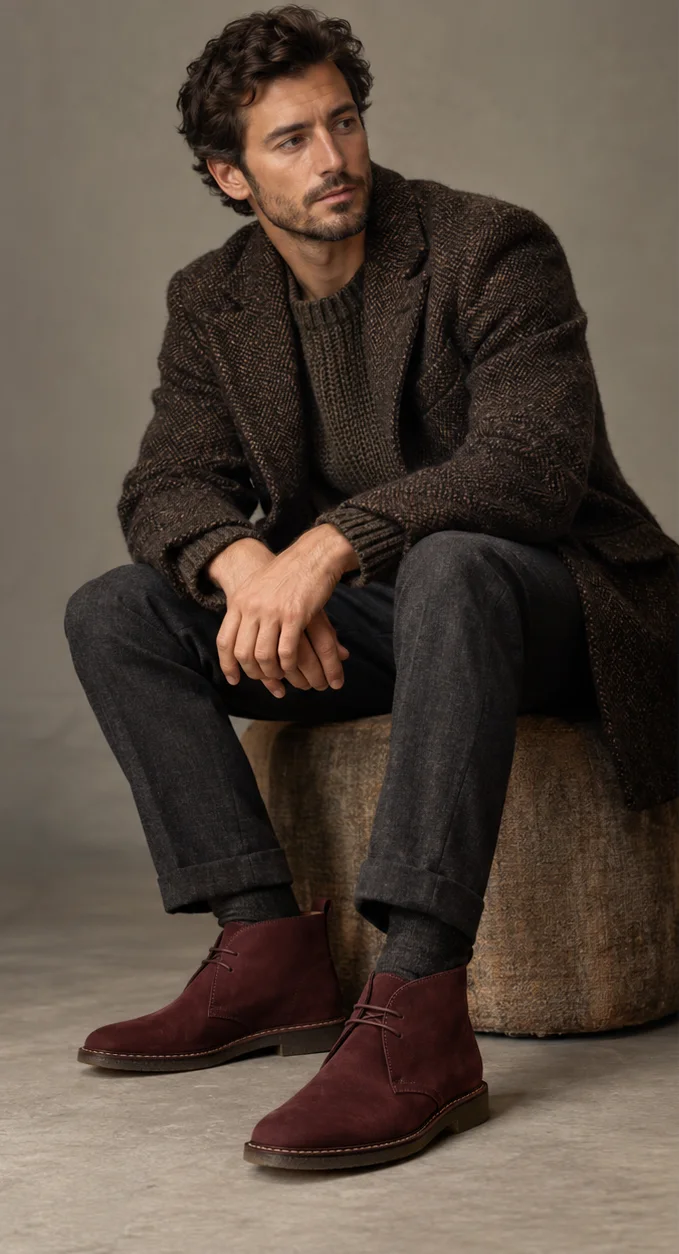
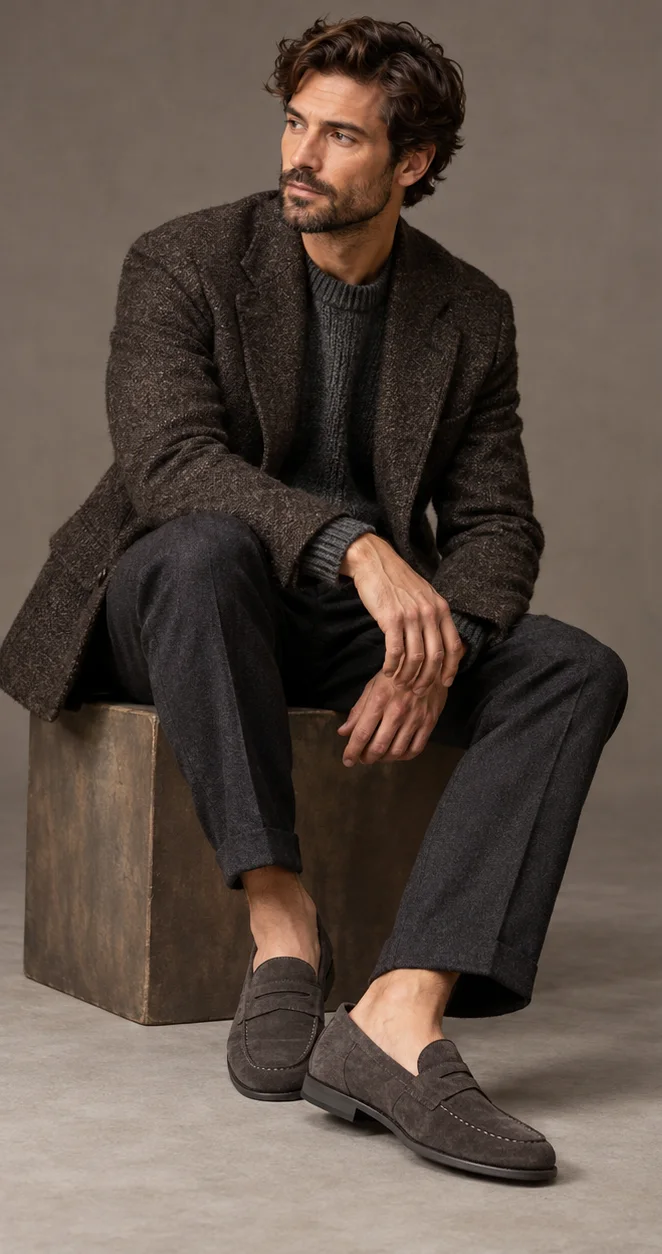
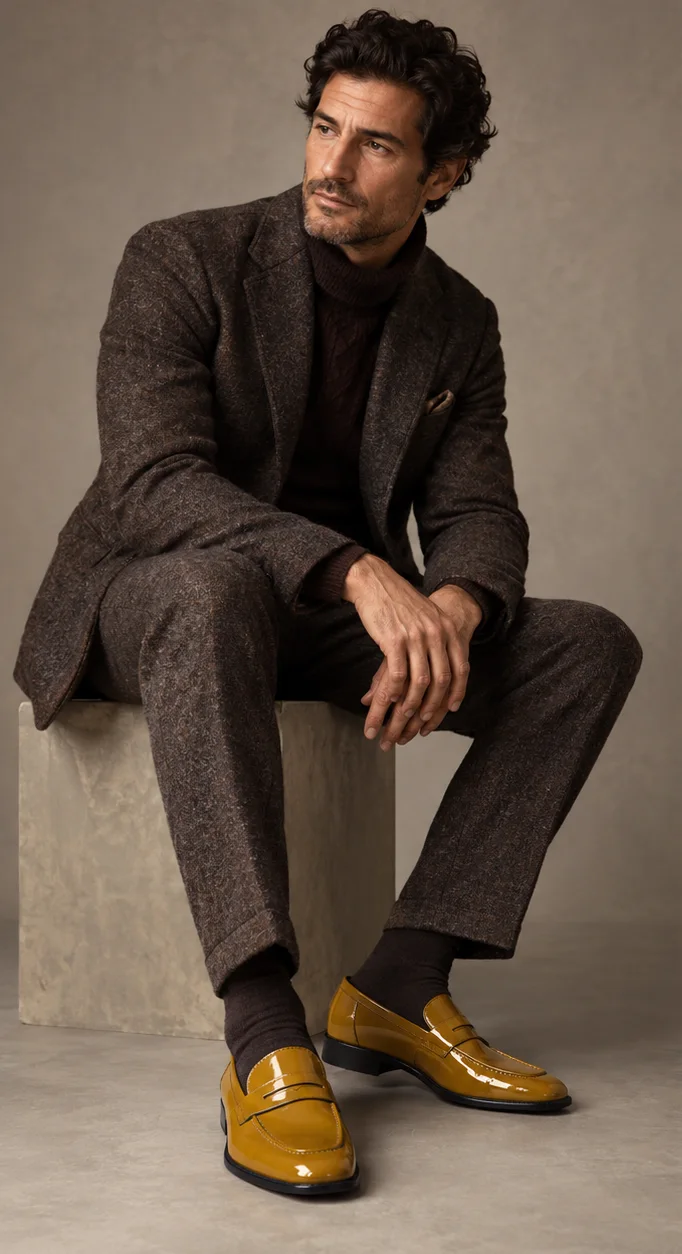
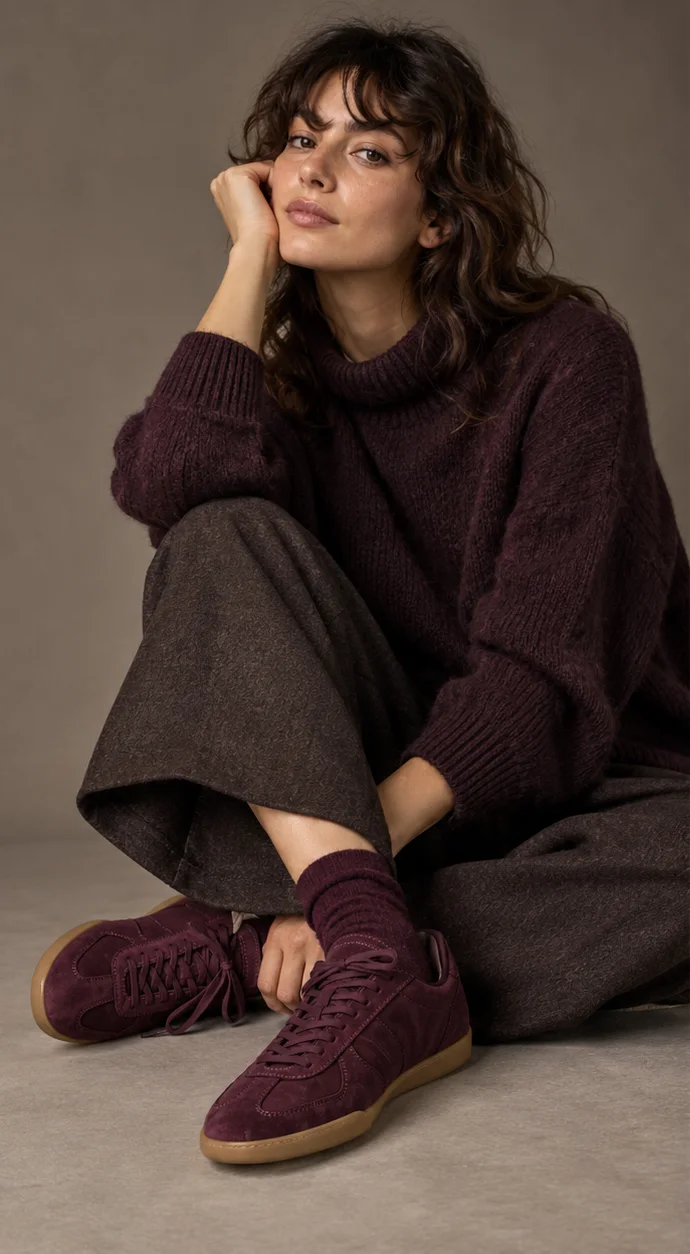
Peaking 10
Fading 0
None this season
SS27 · Spring/Summer 2027 · Feb – Jul 2027 · Based on runway and trade research. Full SS27 report →
Emerging 8
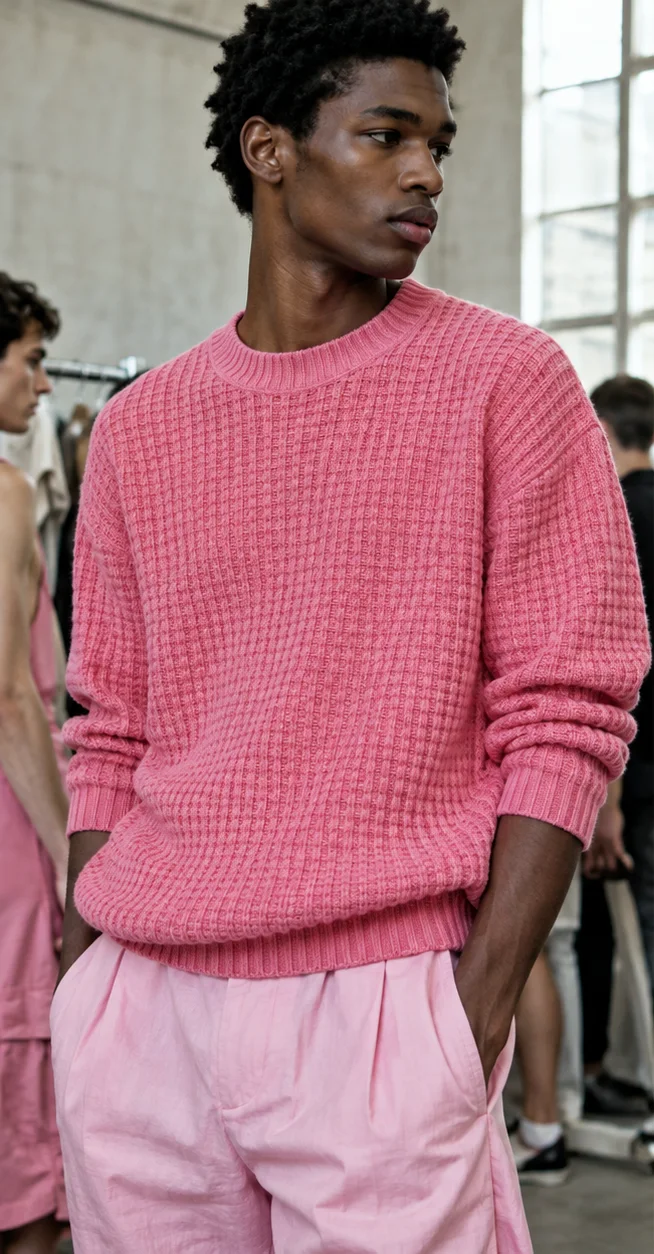
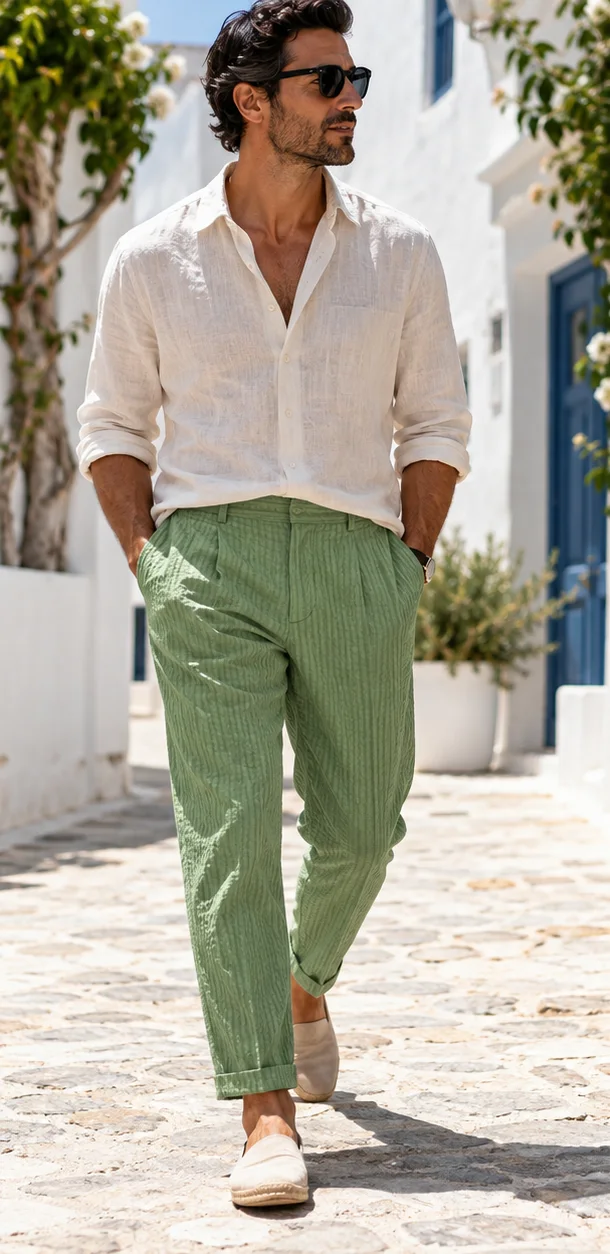
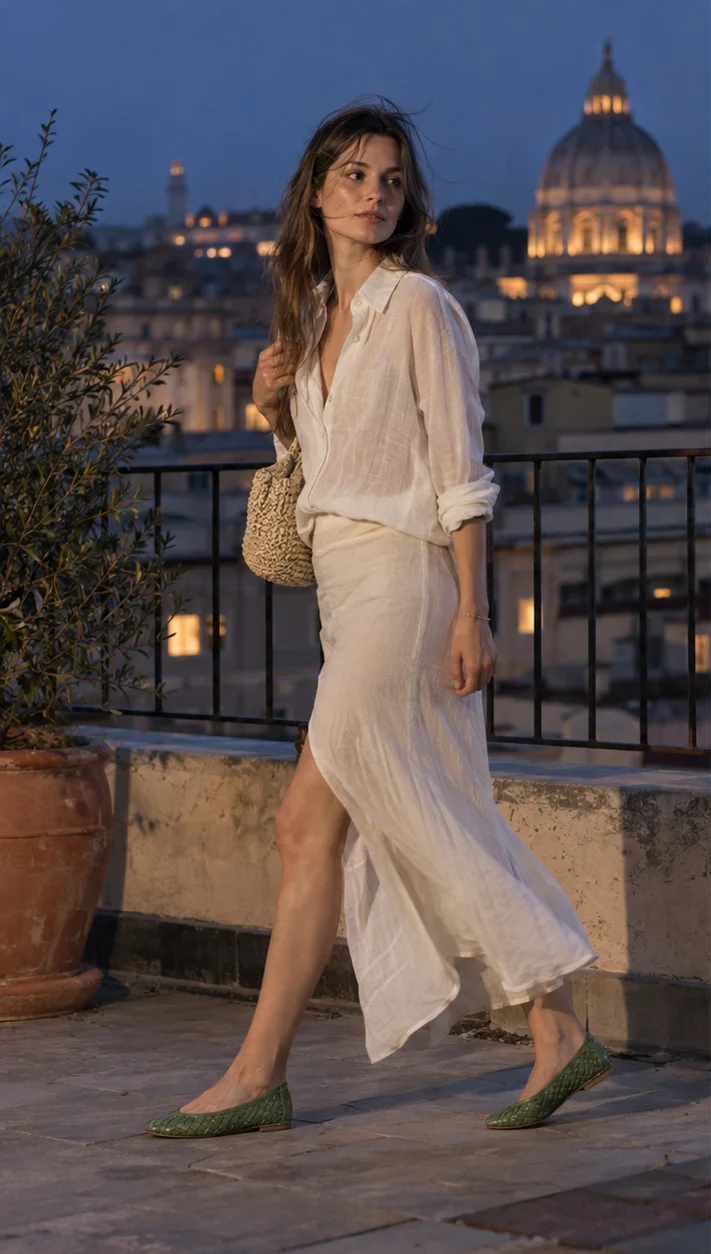
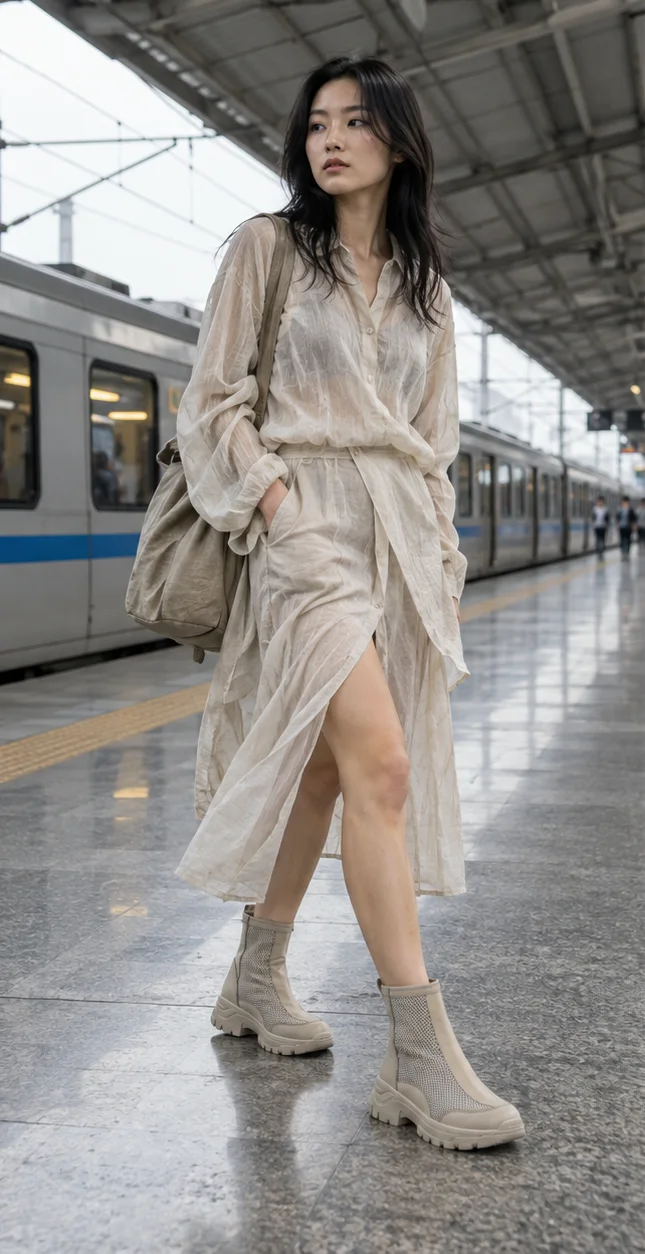
Rising 60

Peaking 9
Fading 0
None this season
AW27 · Autumn/Winter 2027 · Aug 2027 – Jan 2028 · Forecut projection, updated as runways arrive. Full AW27 report →
Emerging 8
Rising 46
Peaking 28
Fading 5
SS28 · Spring/Summer 2028 · Feb – Jul 2028 · Forecut projection, updated as runways arrive. Full SS28 report →
Emerging 7
Rising 38
Peaking 28
Fading 11
AW28 · Autumn/Winter 2028 · Aug 2028 – Jan 2029 · Forecut projection, updated as runways arrive. Full AW28 report →
Emerging 9
Rising 10
Peaking 33
Fading 31
Runway fabric watch
The fabrics of the SS27 shows and India's fashion weeks, with Forecut's read on what reaches stores.
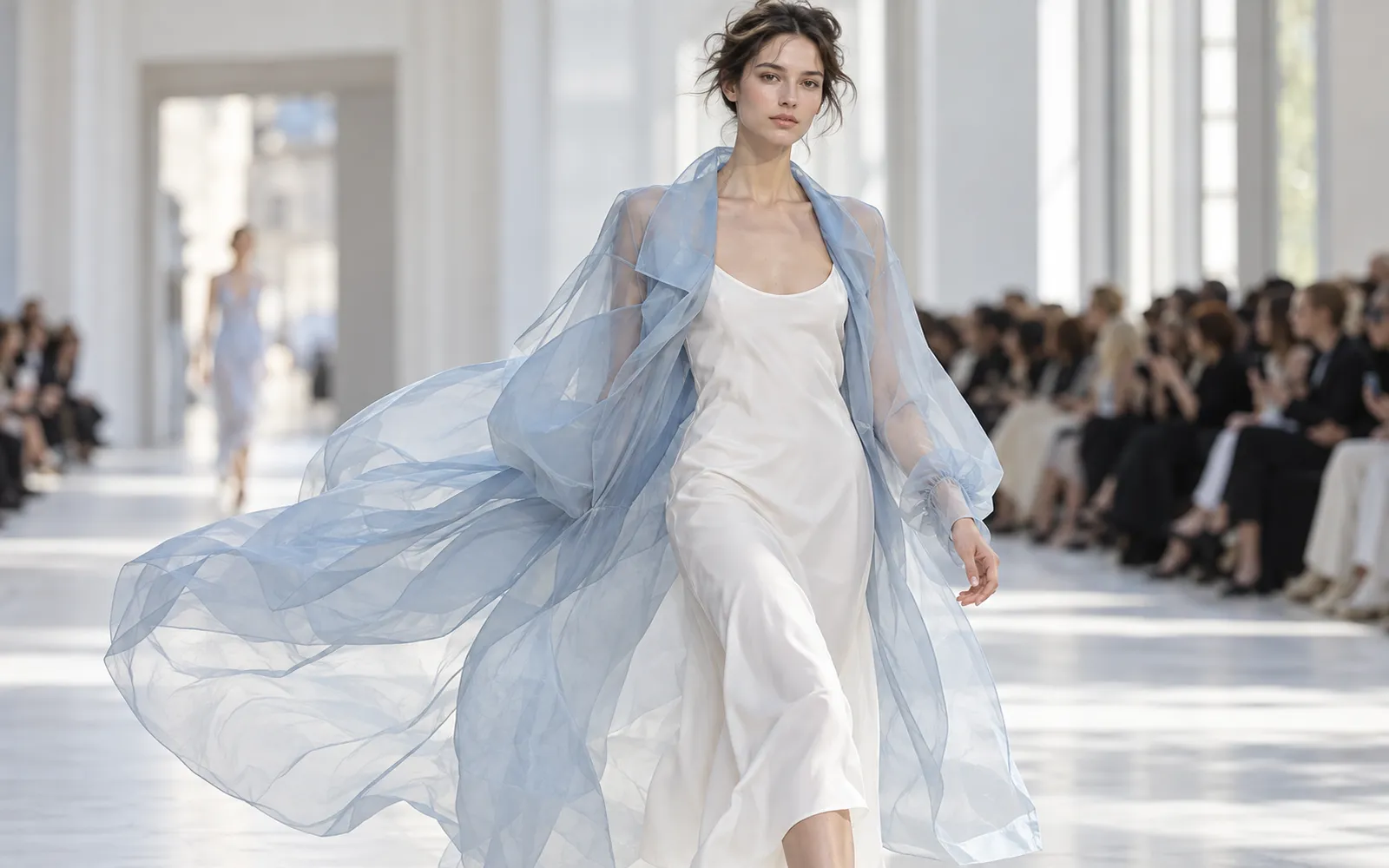
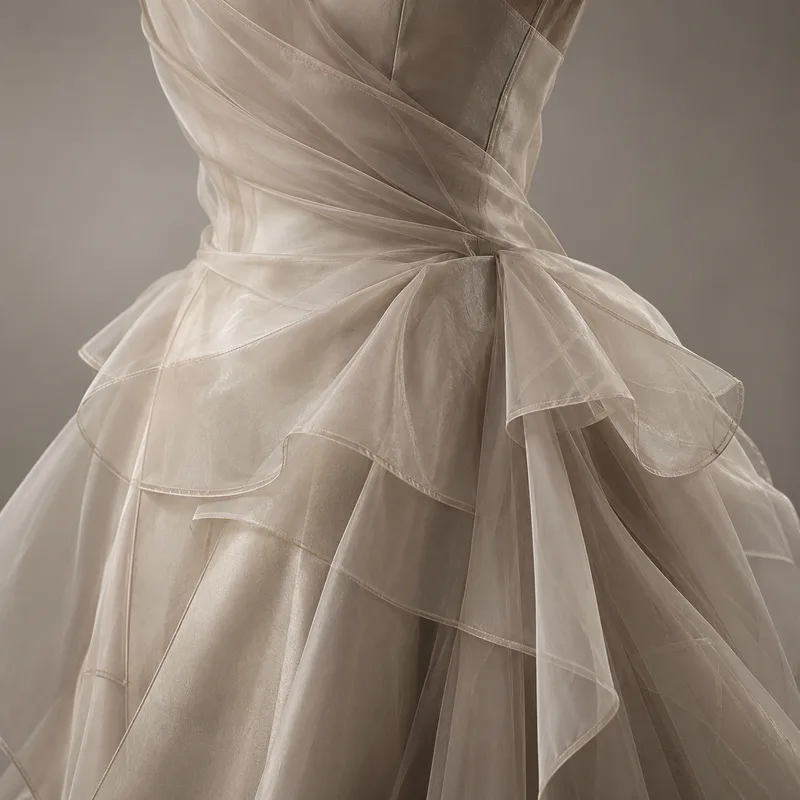
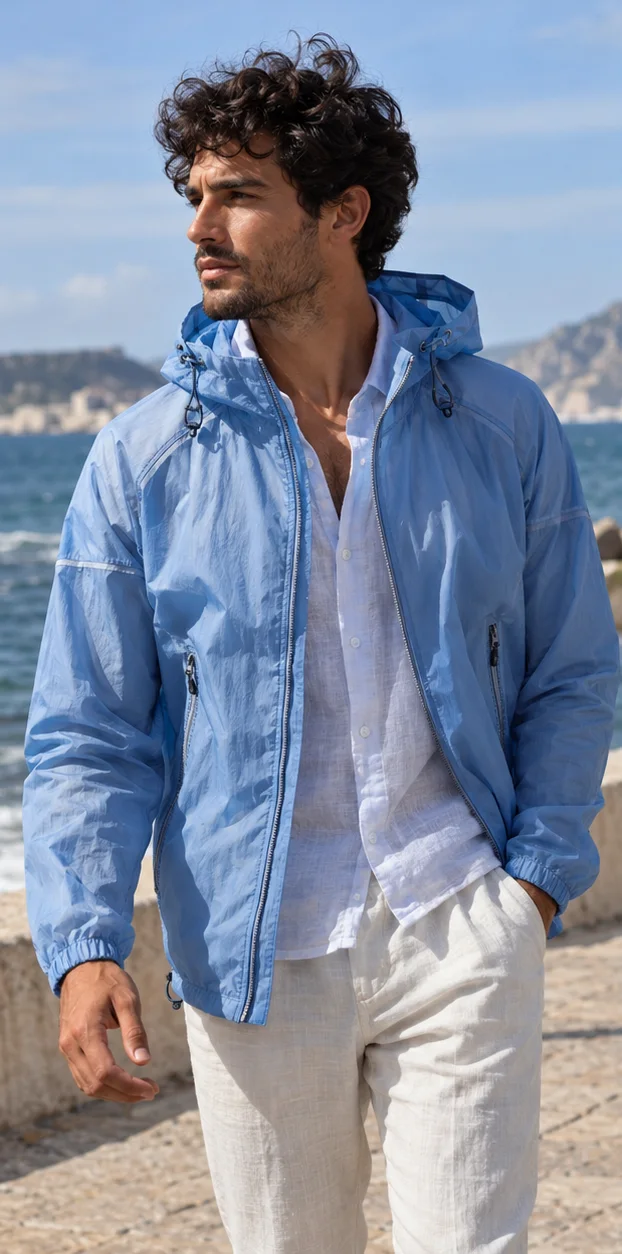
Featherlight and see-through
- Ultrafine ripstop nylon coats that billow like parachutes (Issey Miyake)
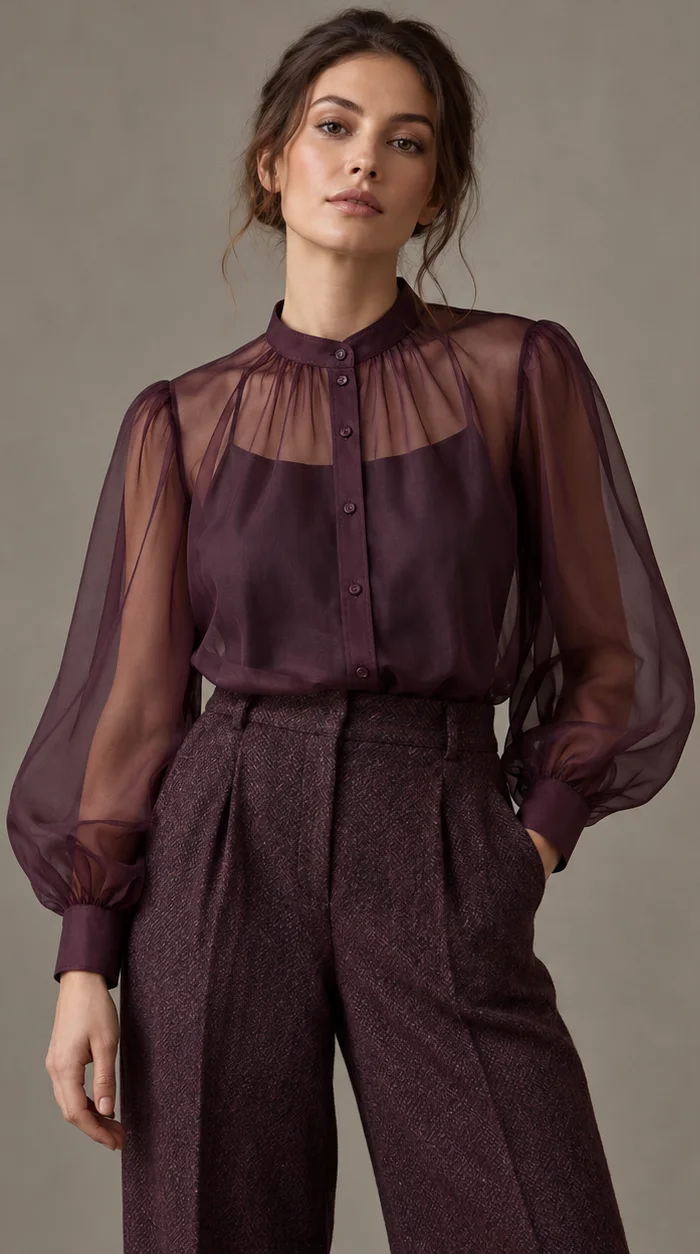
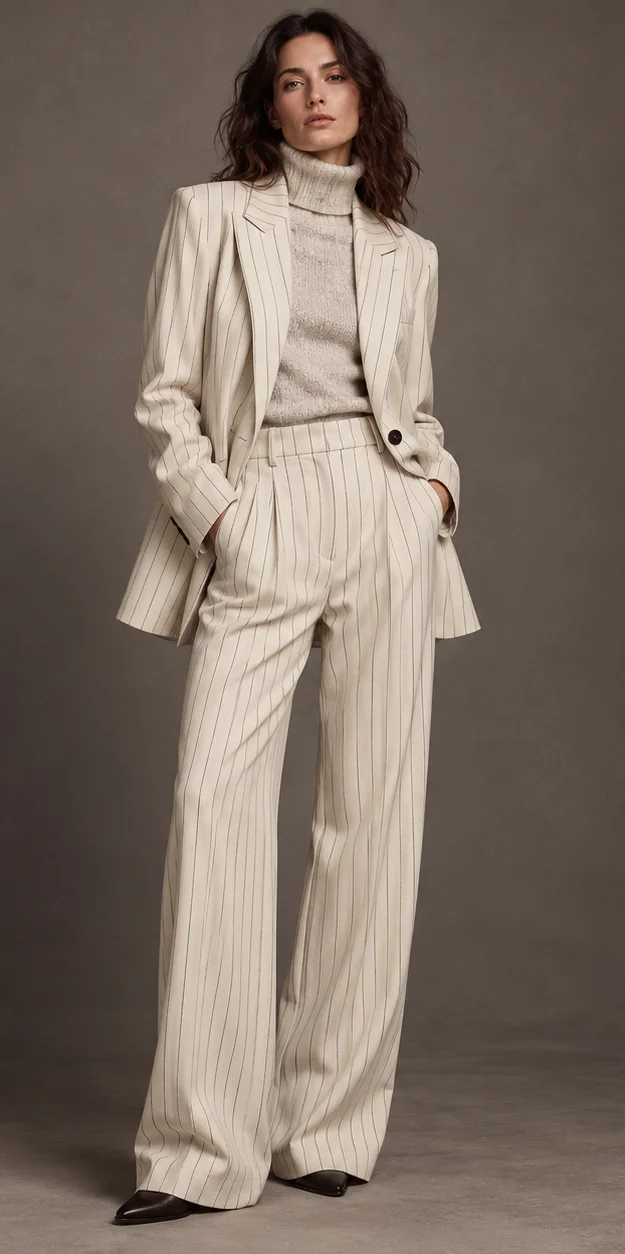
- Sheer organza sets and tweed suits (Chanel)
- Sheer fabrics with soft tailoring (Dior)
- Broderie anglaise on white (Chloé)
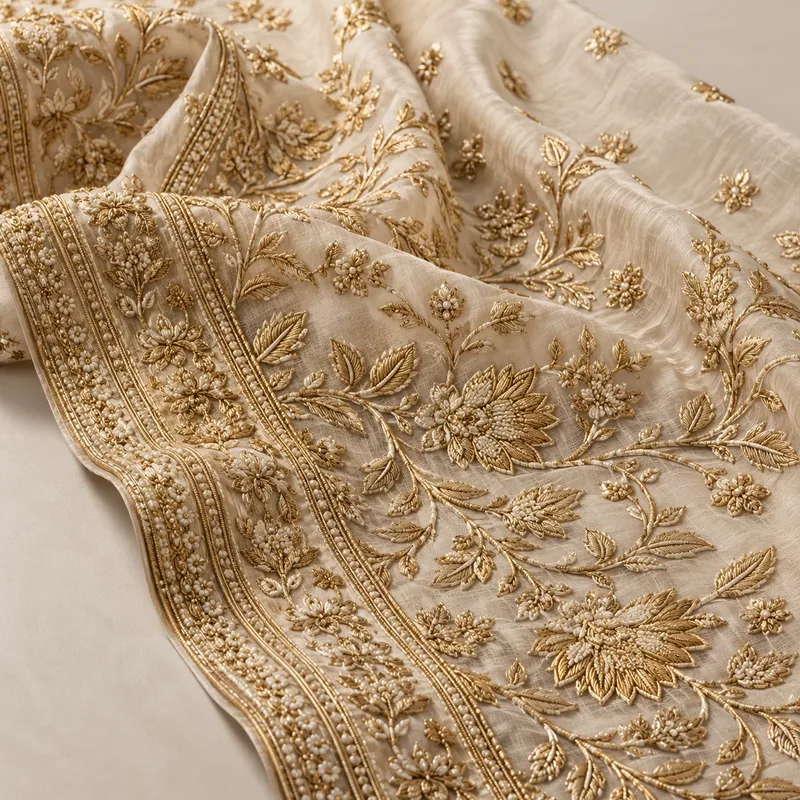
- Gold surfaces on trenches and blazers (Saint Laurent)
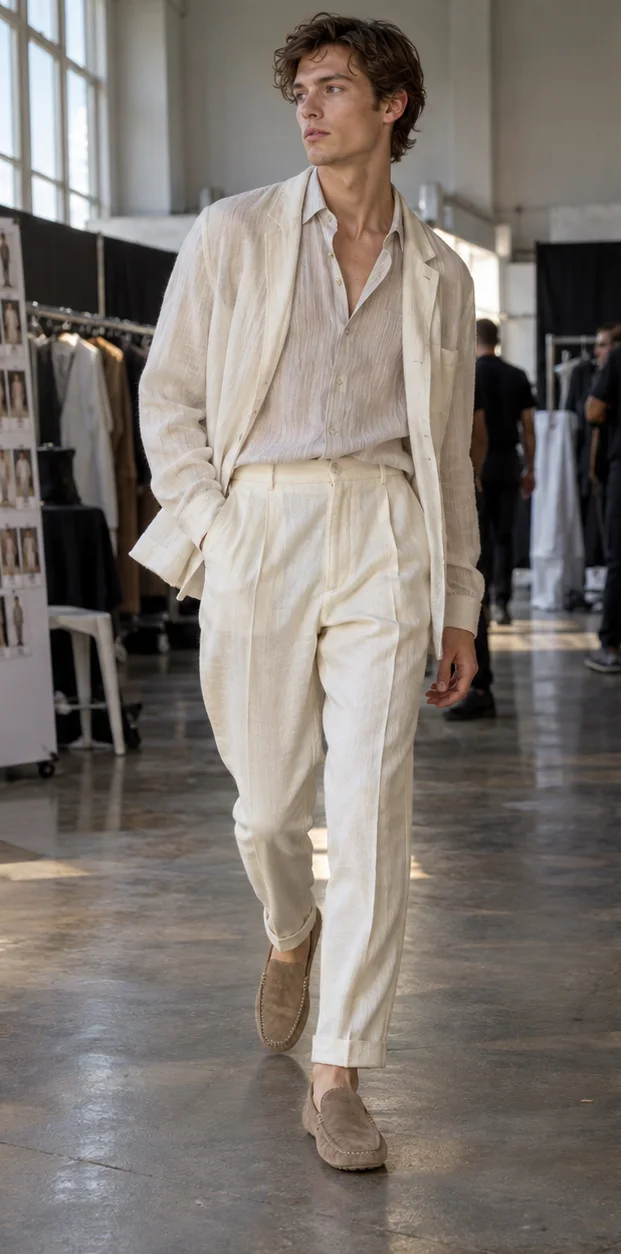
- Crepe, voile and fine knits built to feel weightless
Source: Monocle, Forbes, C2 Fashion Studio
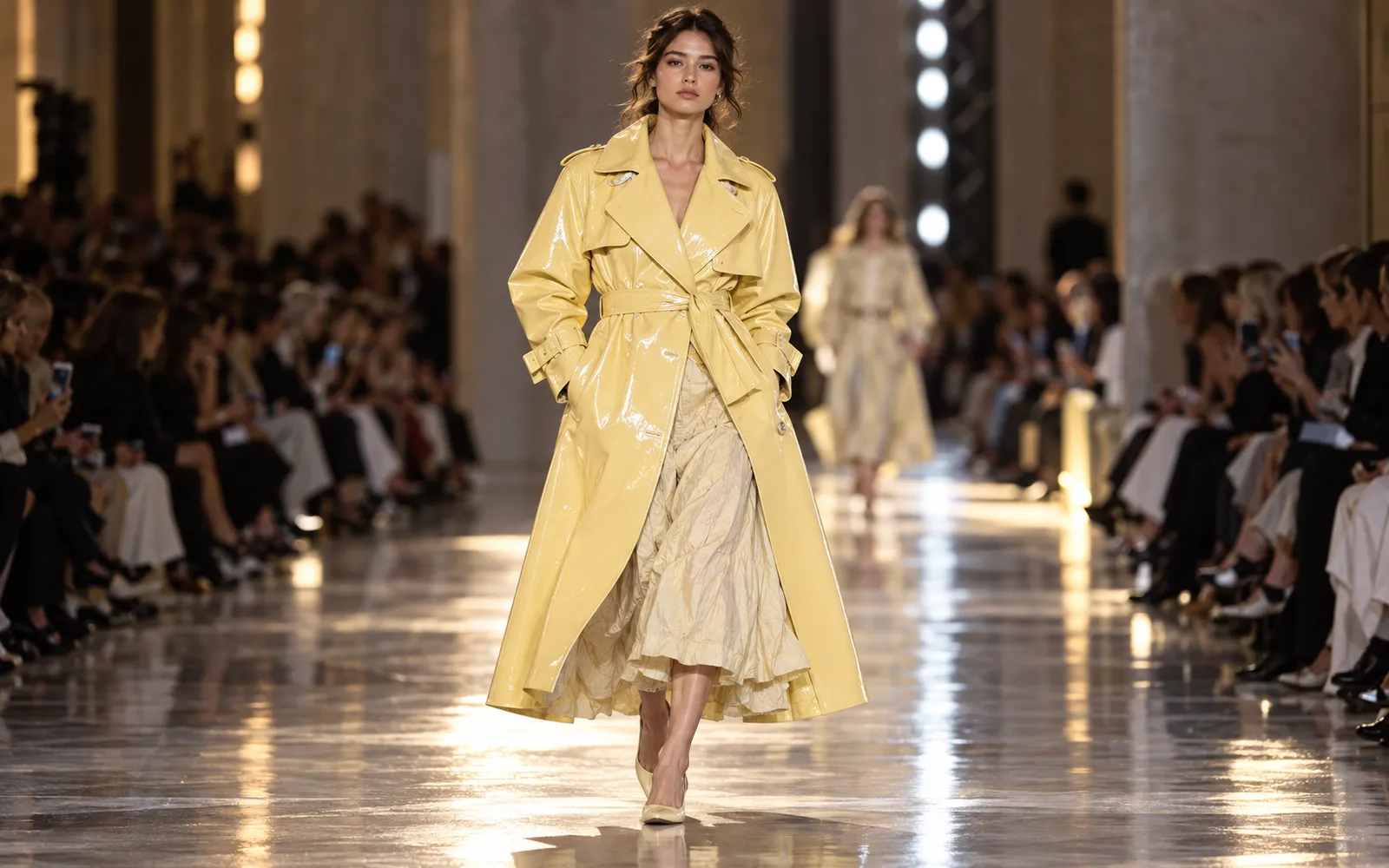
Sheer, glossy and layered
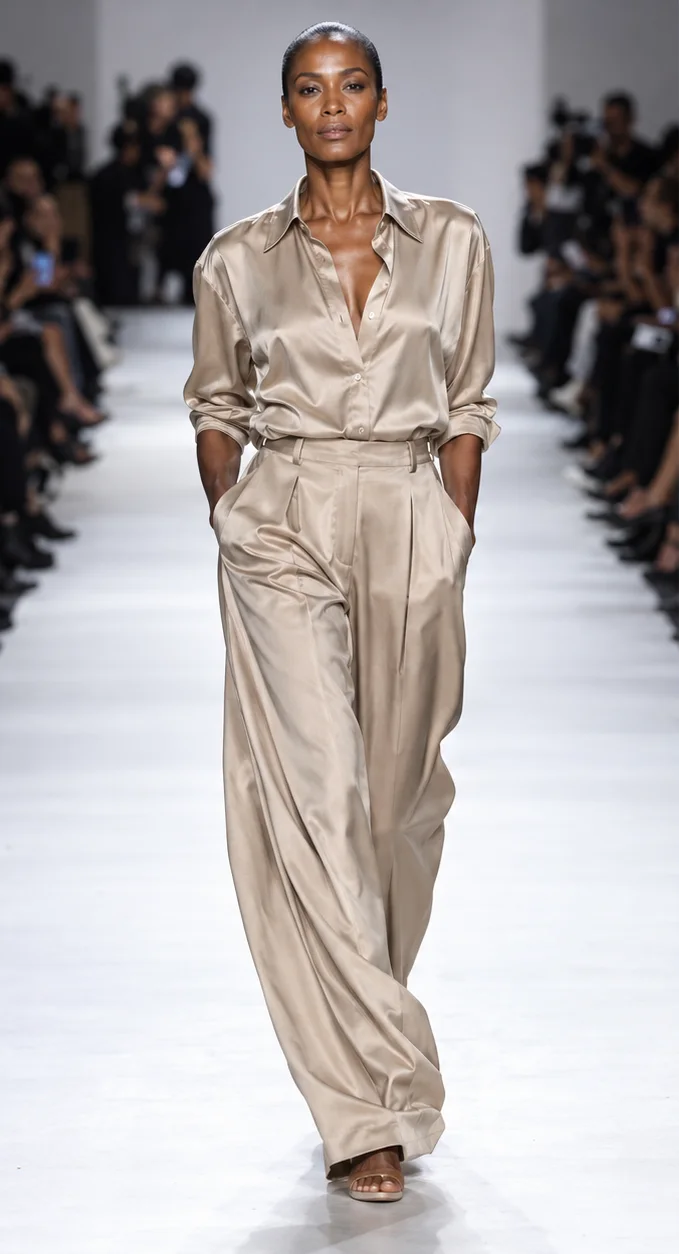
- Liquid, latex-effect rubber and weightless silk (Ferragamo)
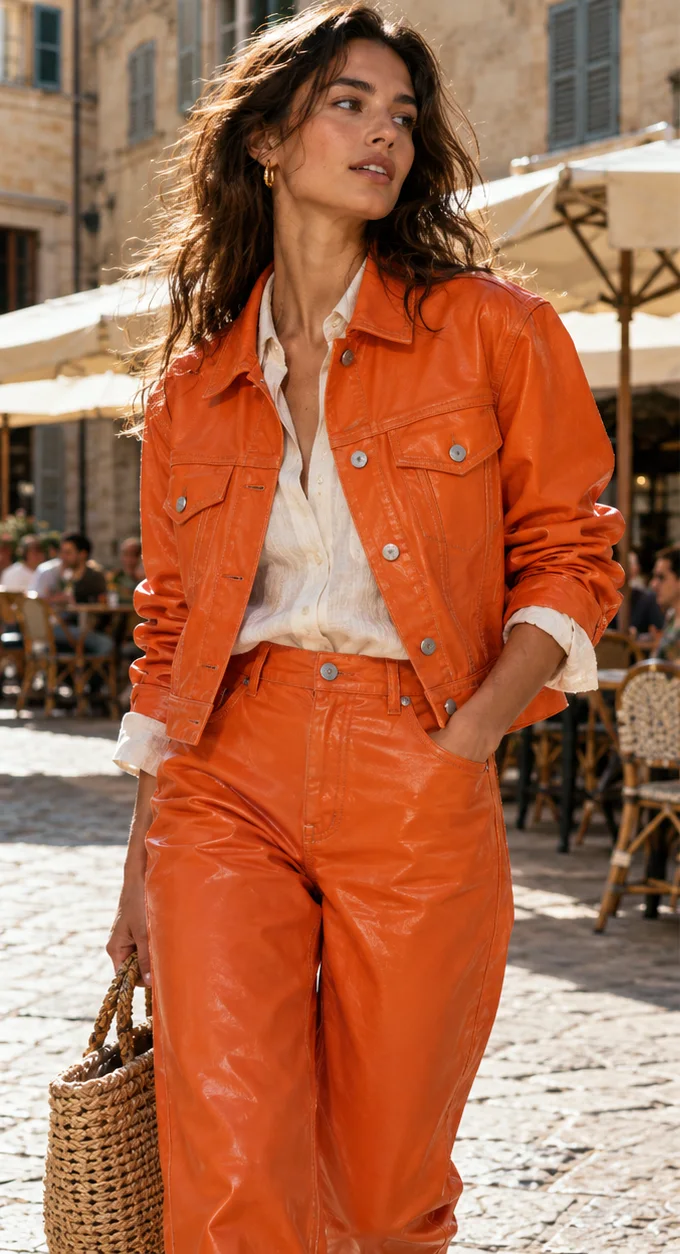
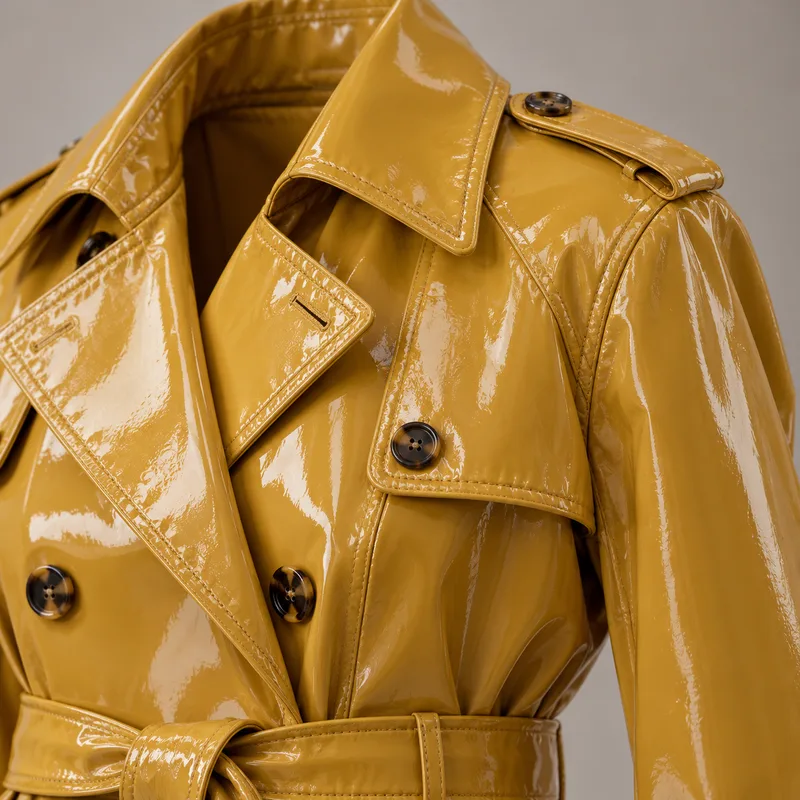
- Glossy nylon shirting (MSGM) and a PVC suit (Ferragamo)
- Oversized organza and nude tulle with raised roses (Moschino, Blumarine)
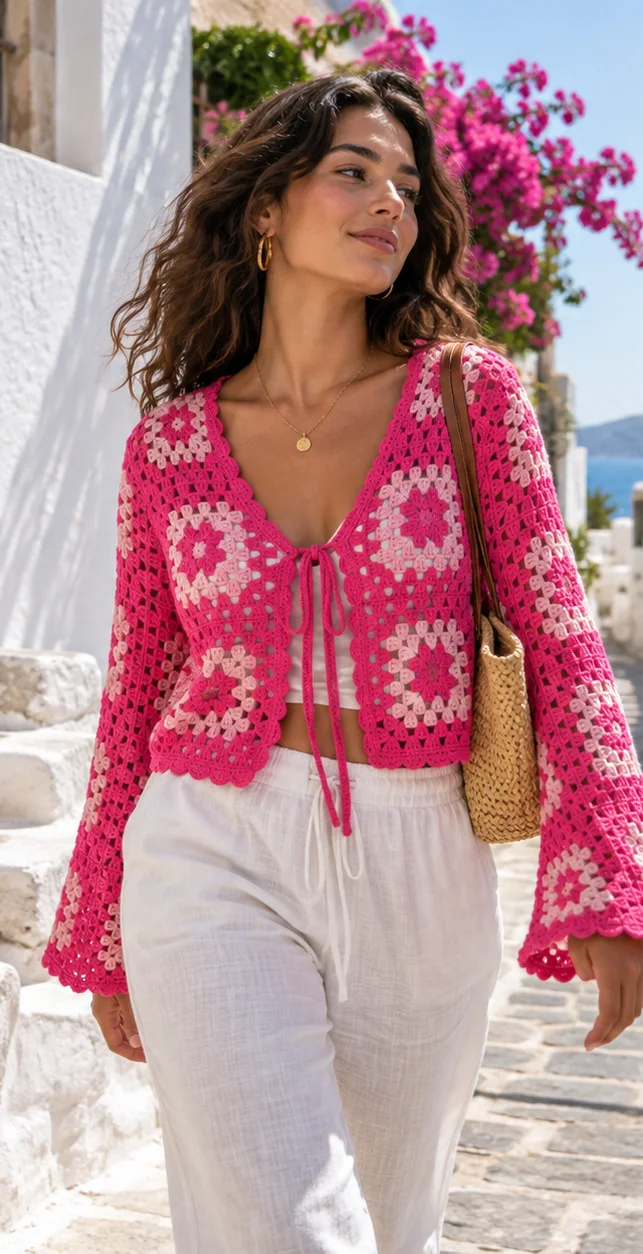
- Long crochet knit dresses (Marco Rambaldi, Fendi)
- Intrecciato weave, crinkled nylon and taffeta (Bottega Veneta)
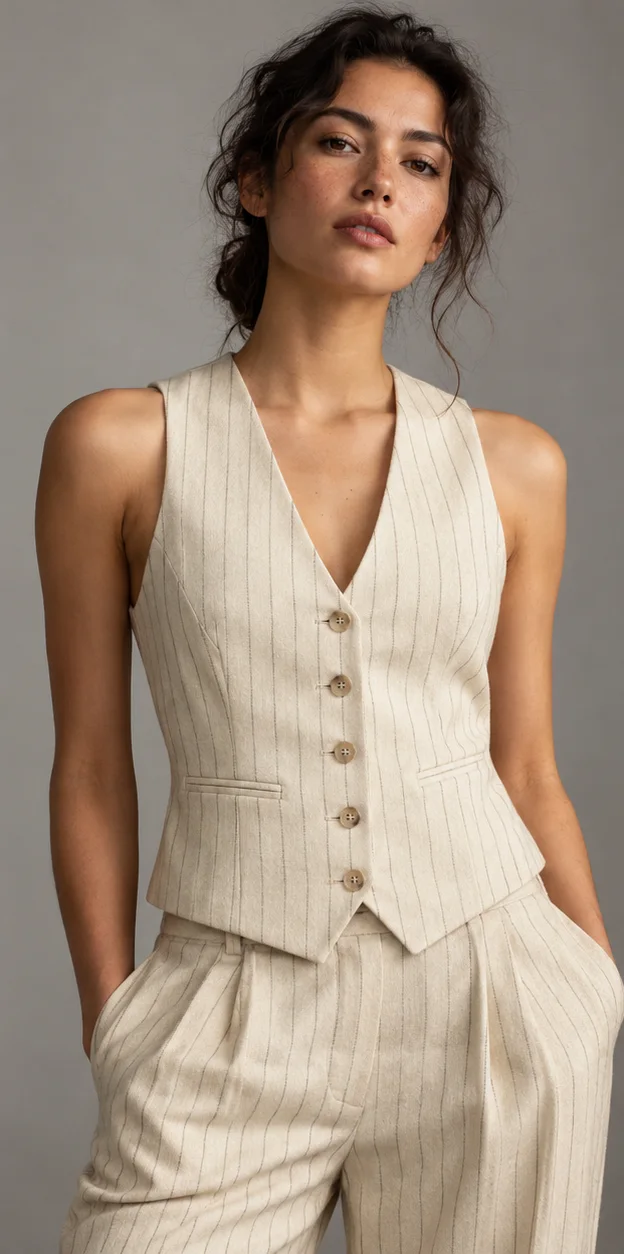
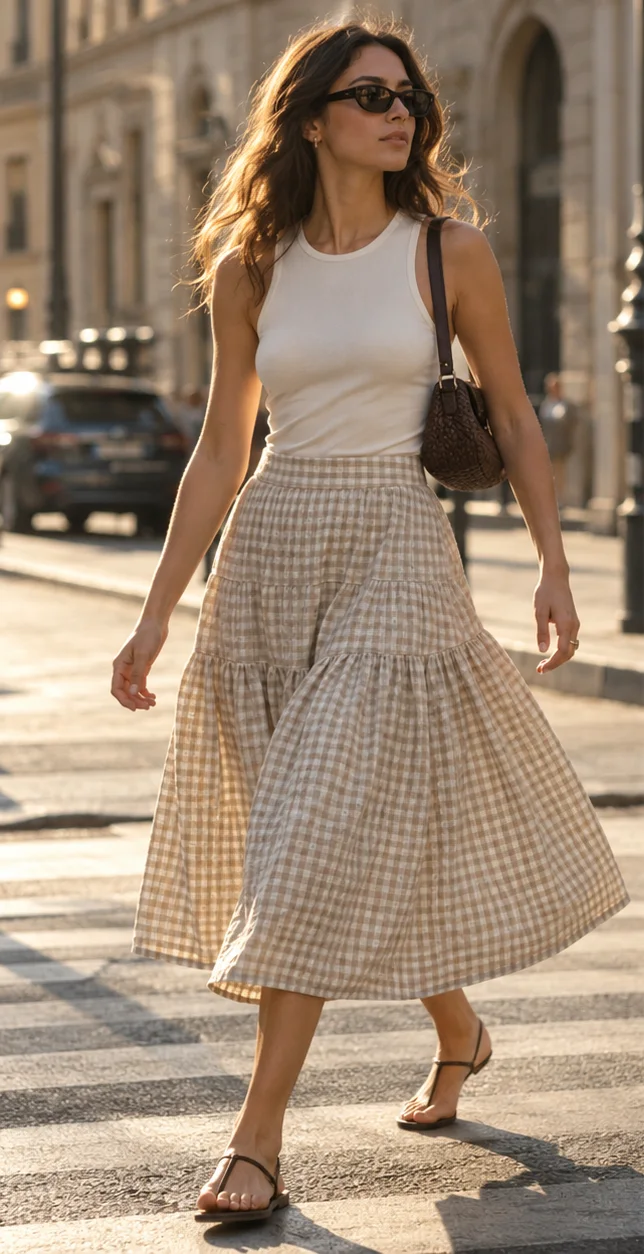
- Checks, stripes and tartan in buttery tones (Prada, Marni, Gucci)
Source: nss magazine, FashionUnited
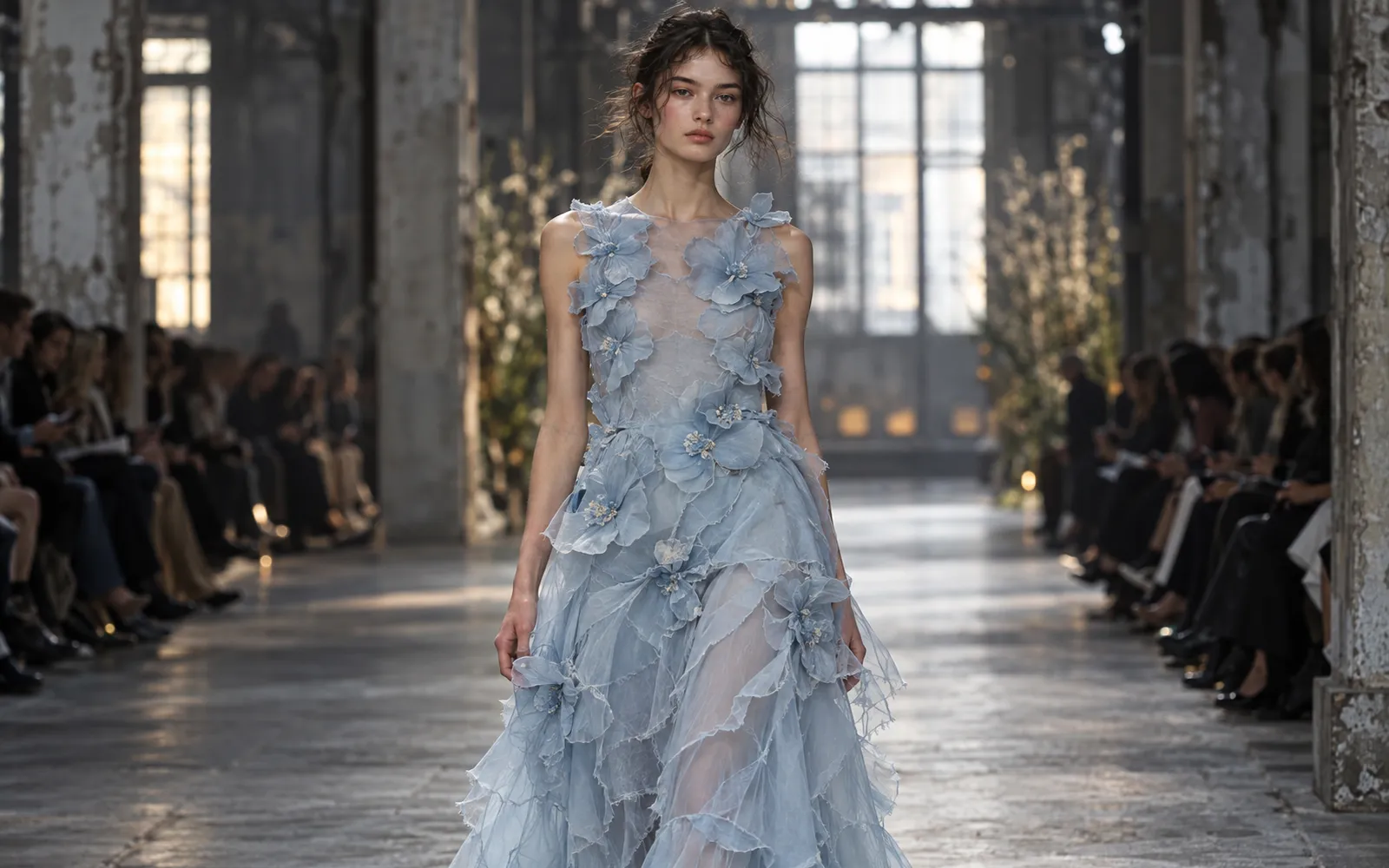
Organza flowers and loose threads
- Floral appliqué on powder-blue organza (Burberry)
- Acid florals on reflective organza; jacquard blooms fading into sheer (Alexander McQueen)
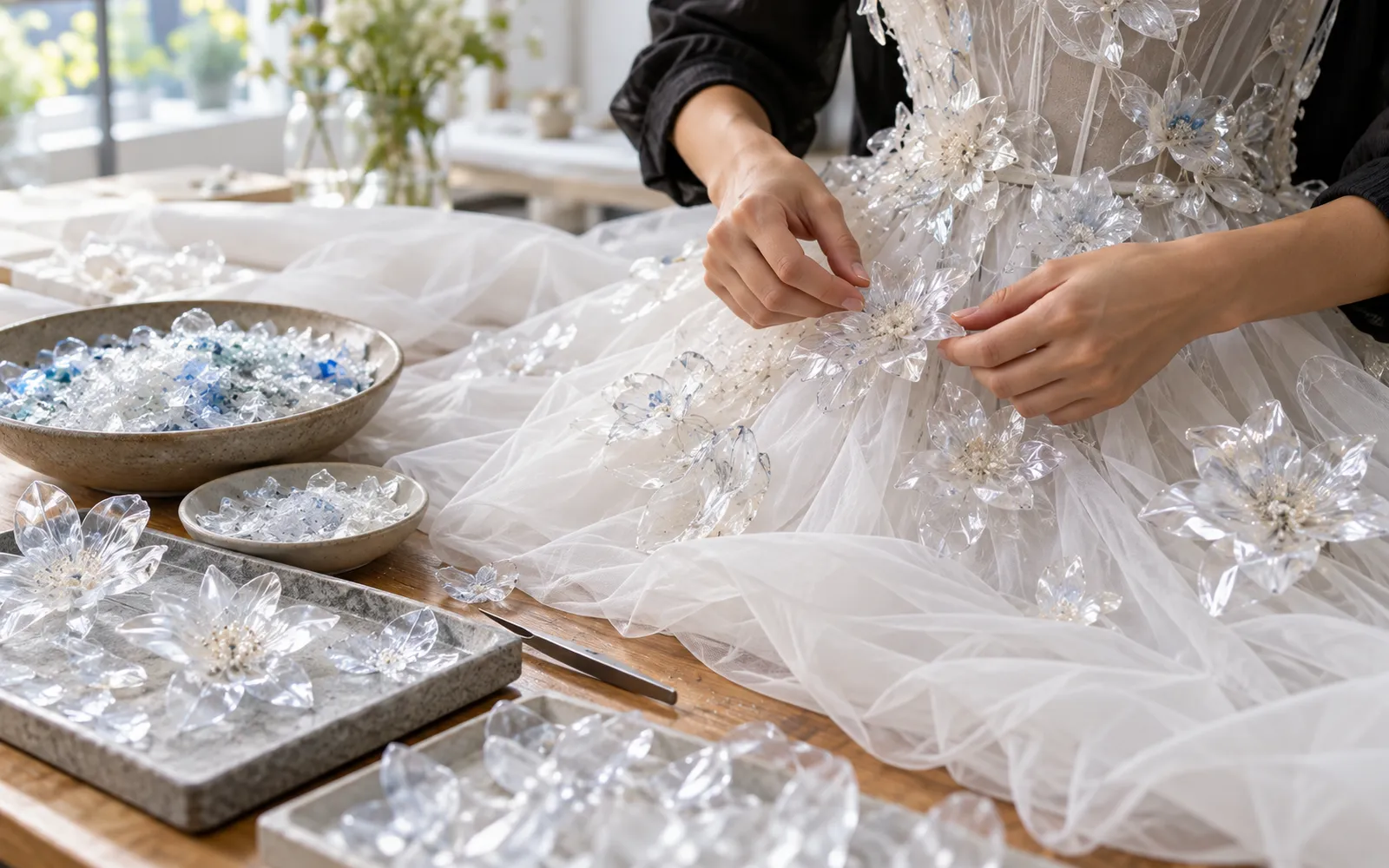
- 3D flowers made from recycled plastic on a sheer gown (Vin + Omi)
- Hand-cut, layered silk, cotton and gauze (Dreaming Eli)
- Torn lace and sliced denim (KNWLS)
- Lace bodies and camisoles (Marks & Spencer, first LFW show)
Source: TheIndustry.fashion
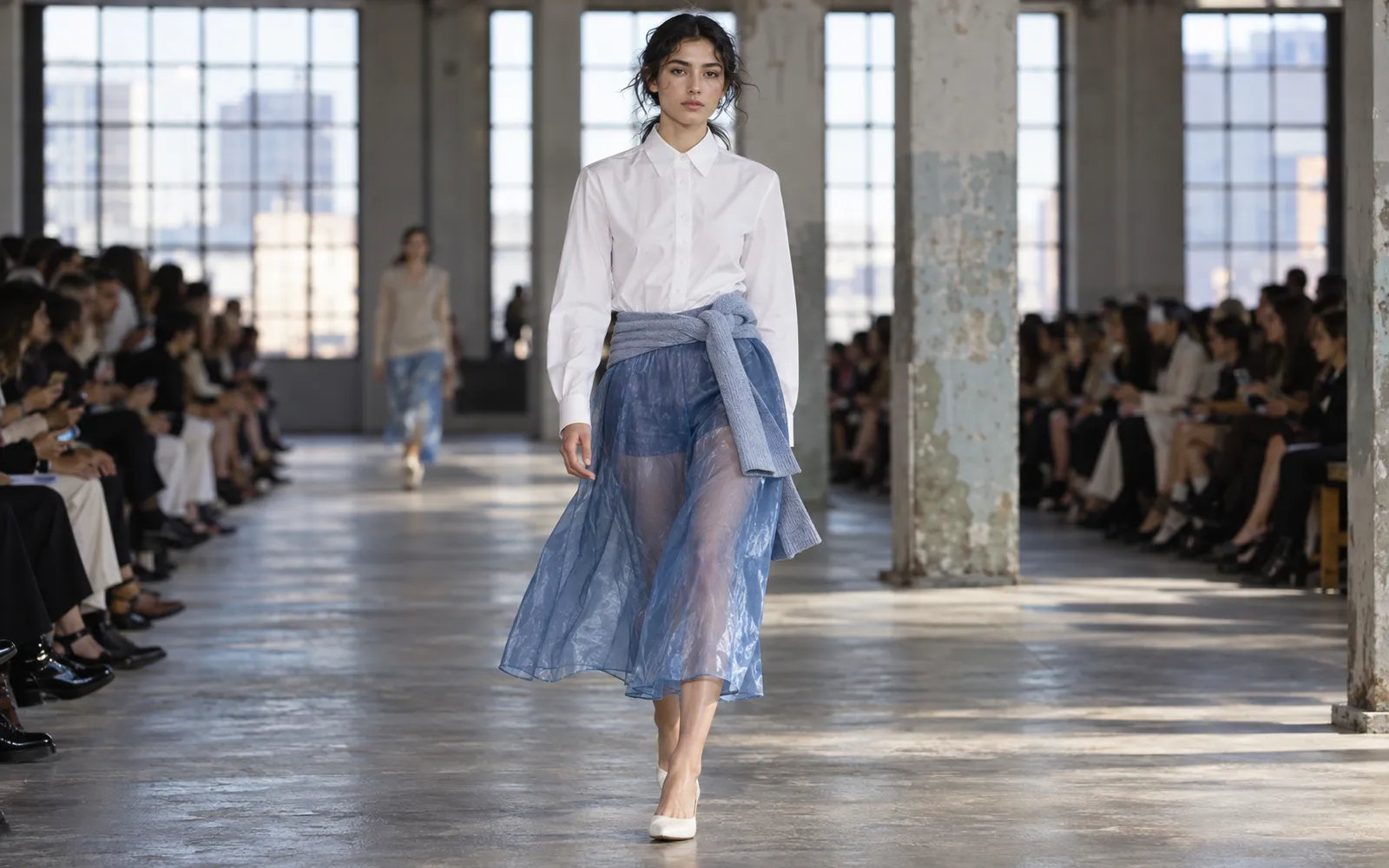
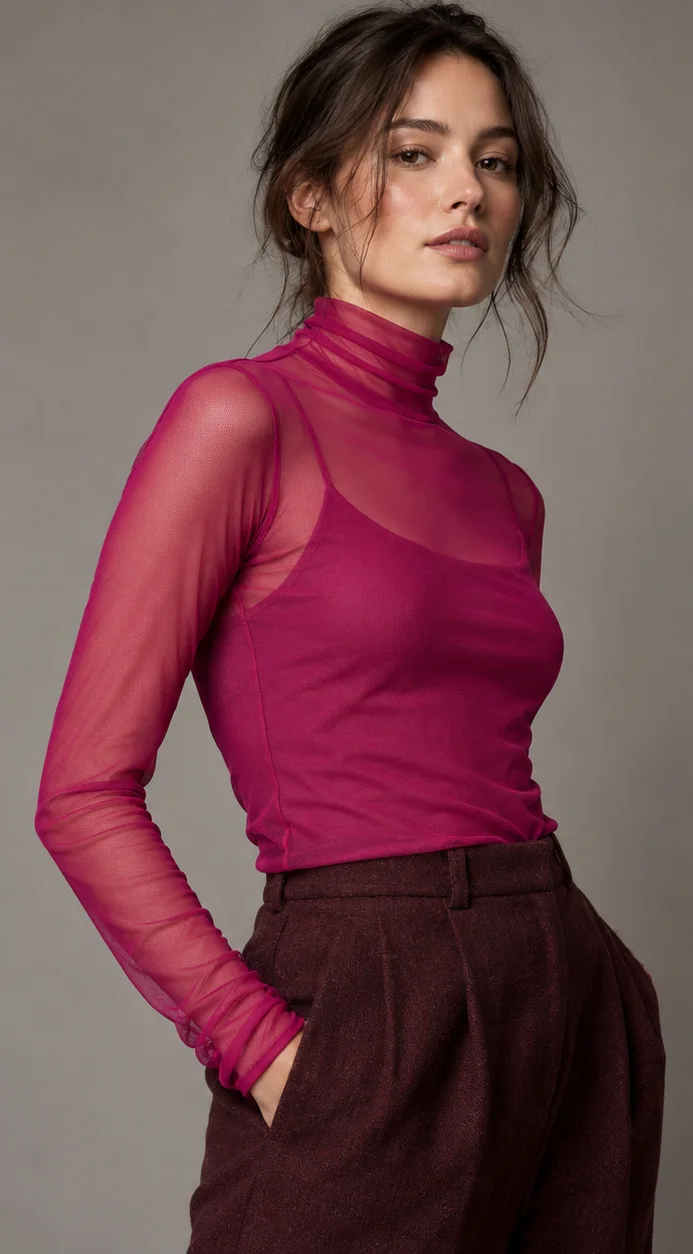
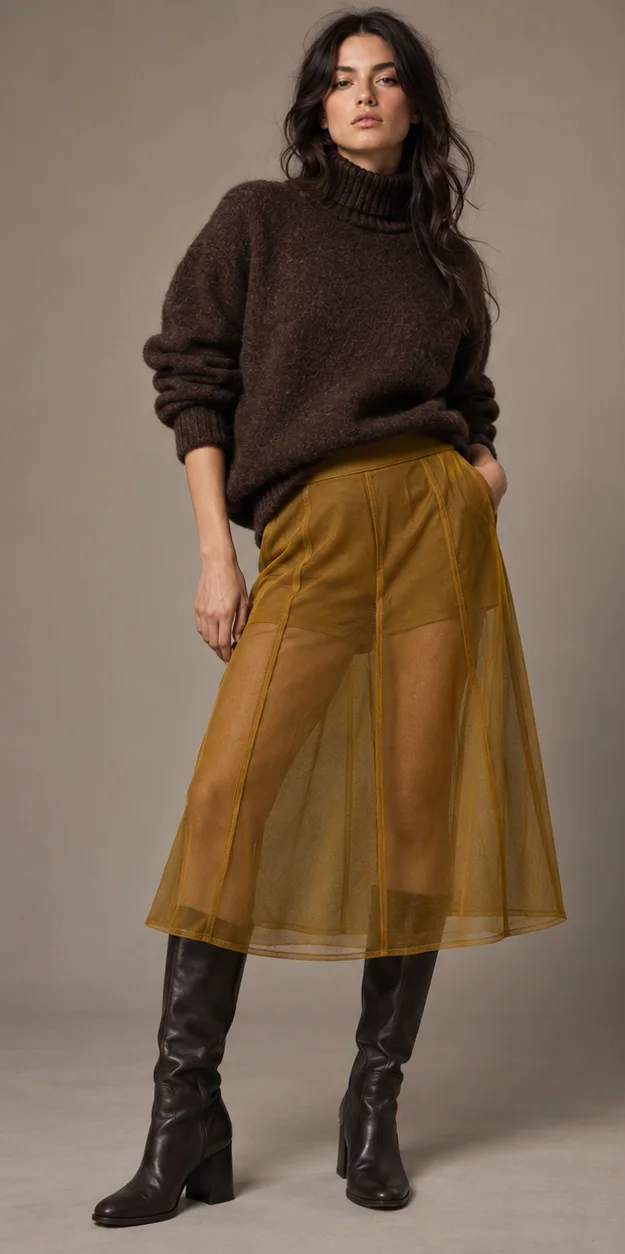
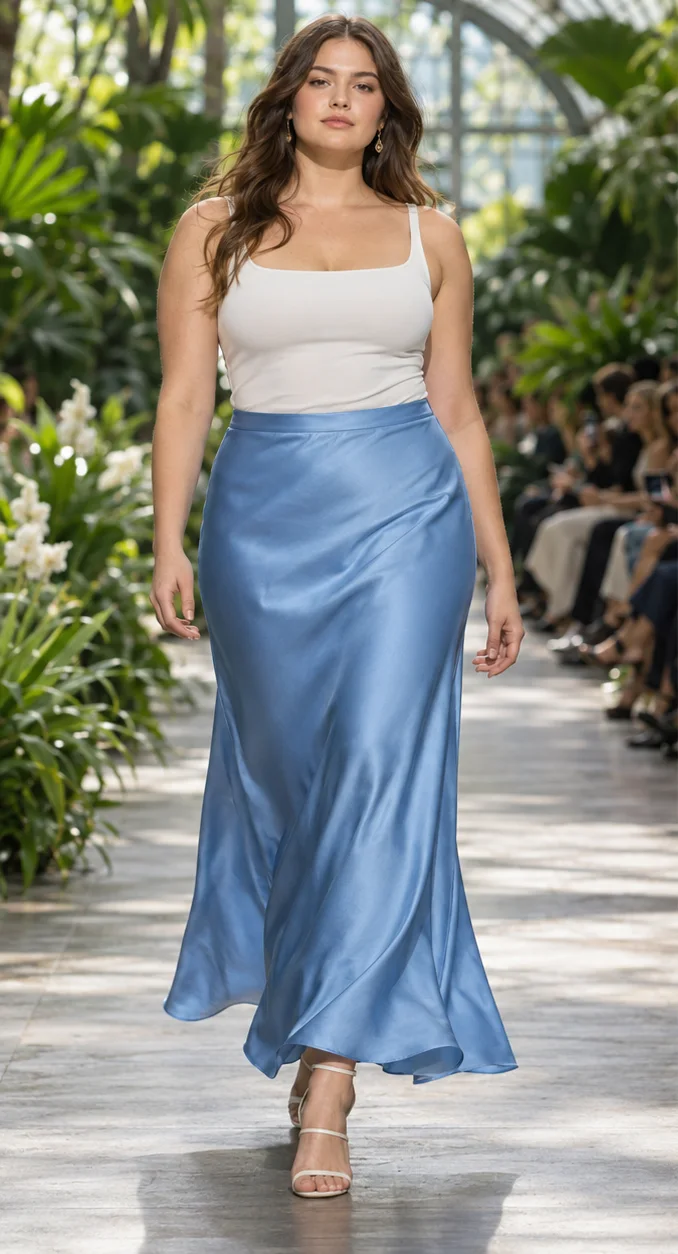
Sheer skirts, silk and light knits
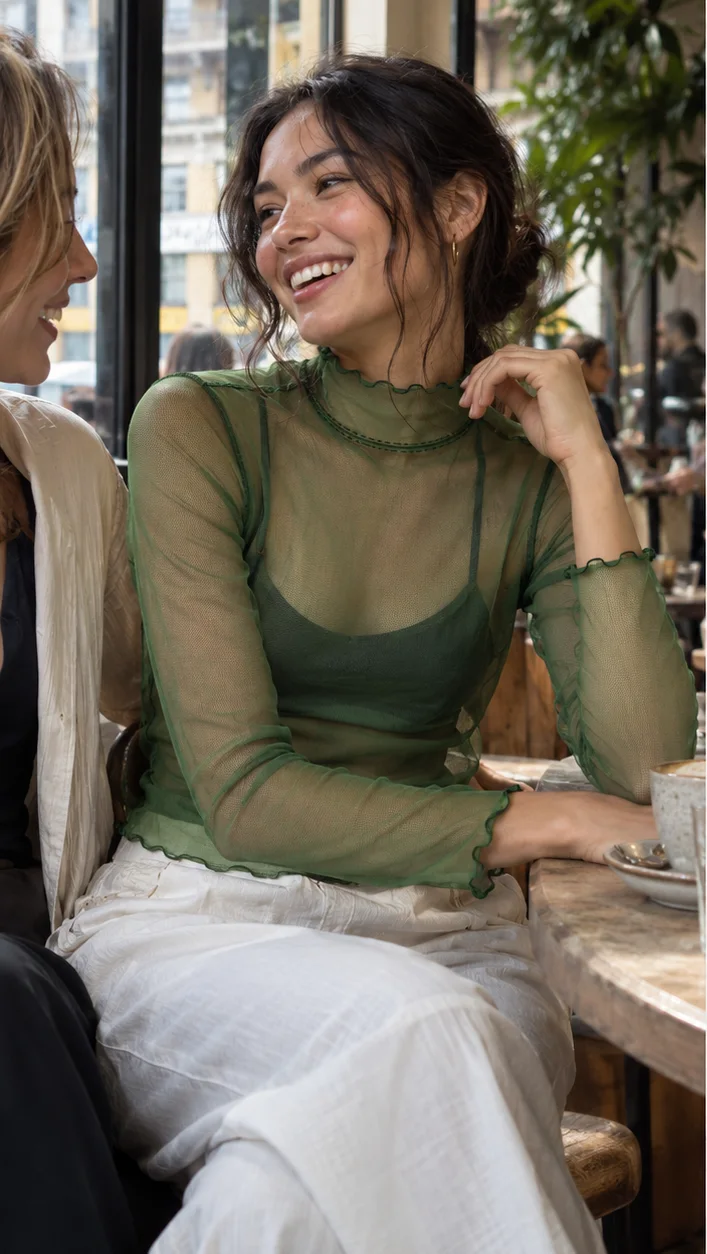
- See-through skirts with covered-up tops (Calvin Klein, Eckhaus Latta, Brandon Maxwell, Thom Browne)
- Head-to-toe sheer separates (Prabal Gurung, Aknvas, Vettese)
- Silk shirts and light knits tied at the waist (Cult Gaia, Tibi)
- Long, skinny fringe and silk scarves
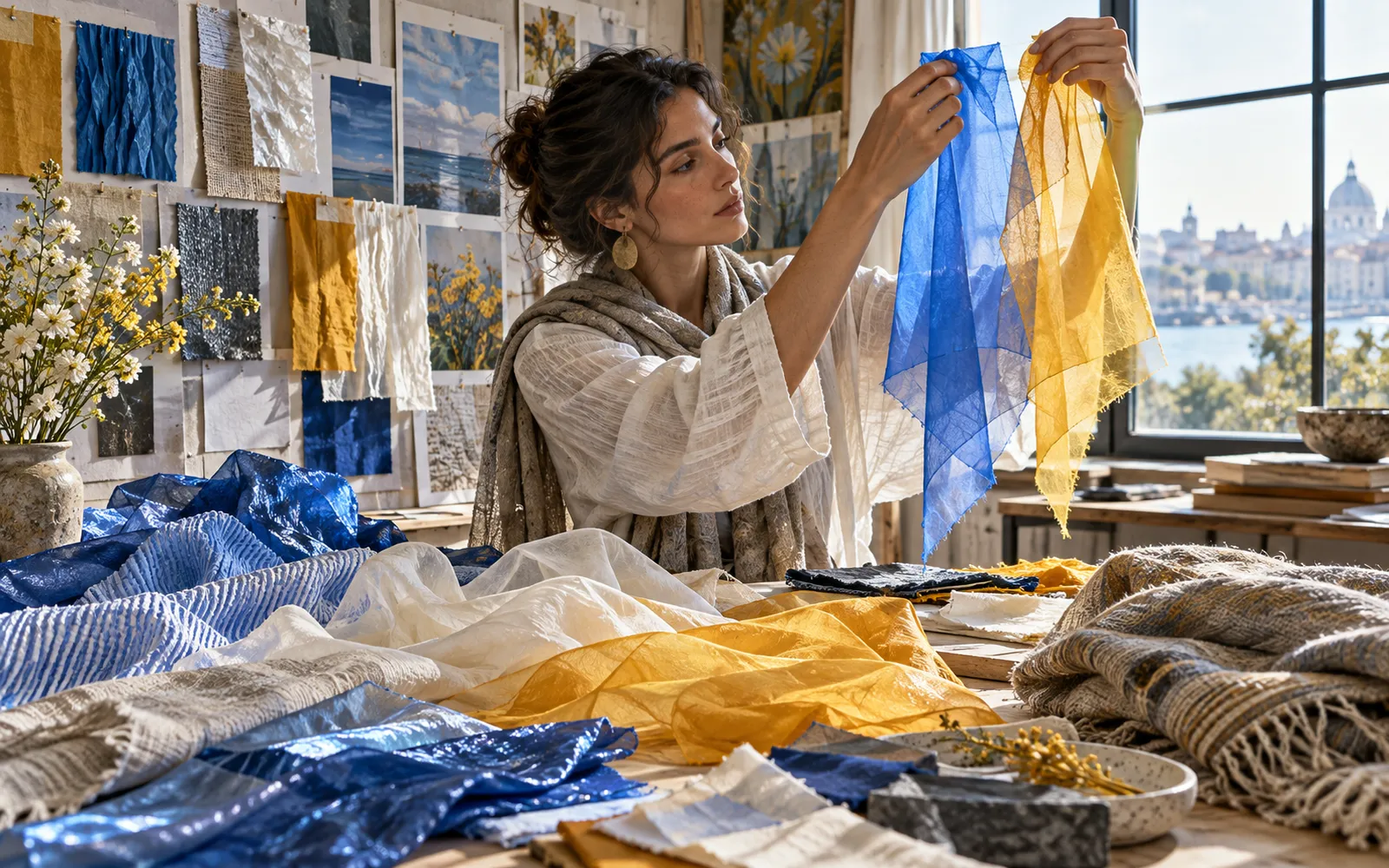
- Luminous Blue and marigold as the leading colours
Source: Fashionista
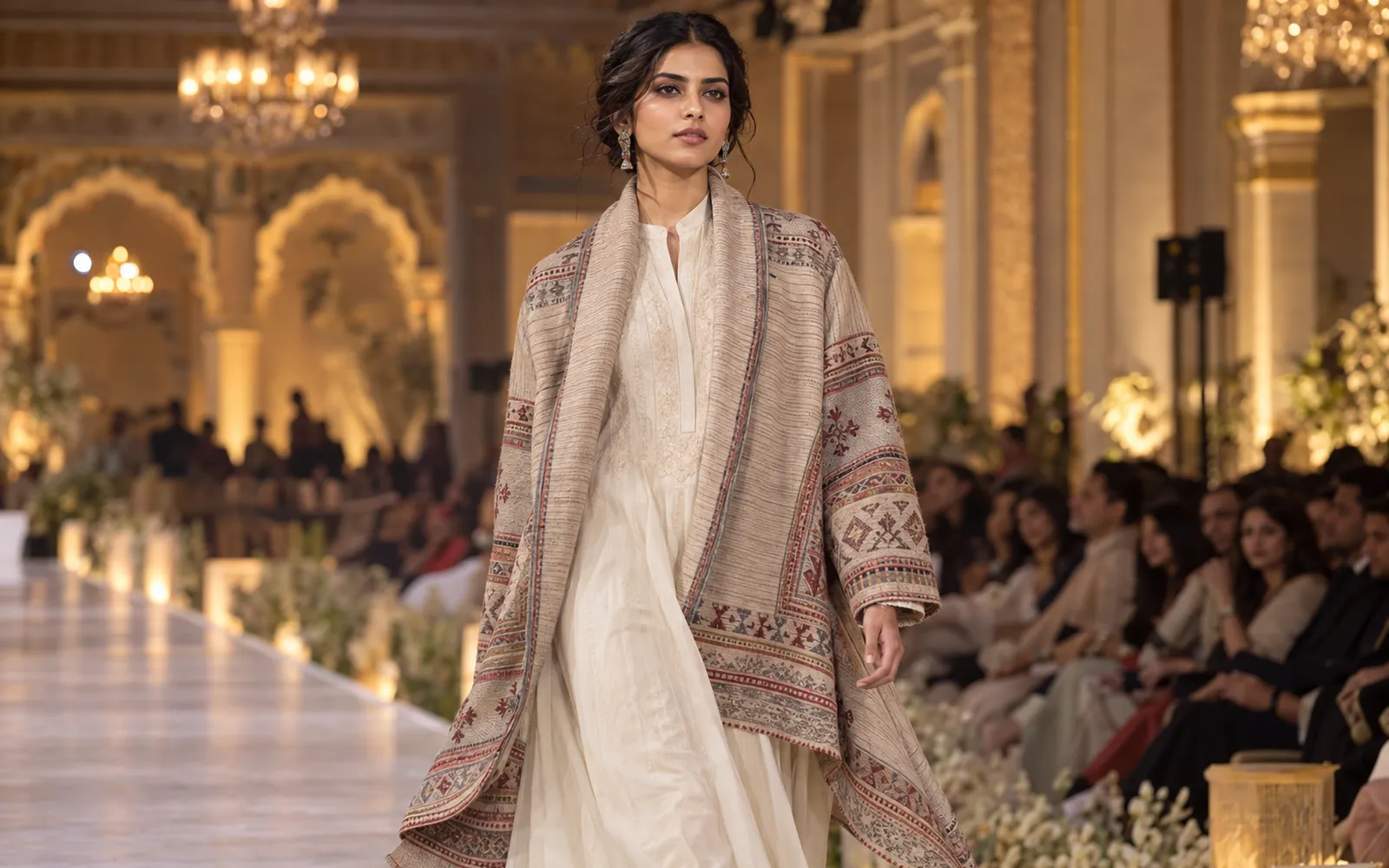
Pashmina, natural fibres and craft
- Ladakhi pashmina and Himalayan wool, hand-woven by women-led enterprises Changra Ladakh and Charkha Ladakh ("The Fifth Season", 18 Oct)
- Natural, functional fabrics (Countrymade)
- Textile traditions in contemporary shapes (PRAMA by Pratima Pandey)
- Circular Design Challenge with UN in India (13 Oct)
- Indian craft, structure and surface in the grand finale (Amit Aggarwal)
Source: Elle India, Eastern Herald
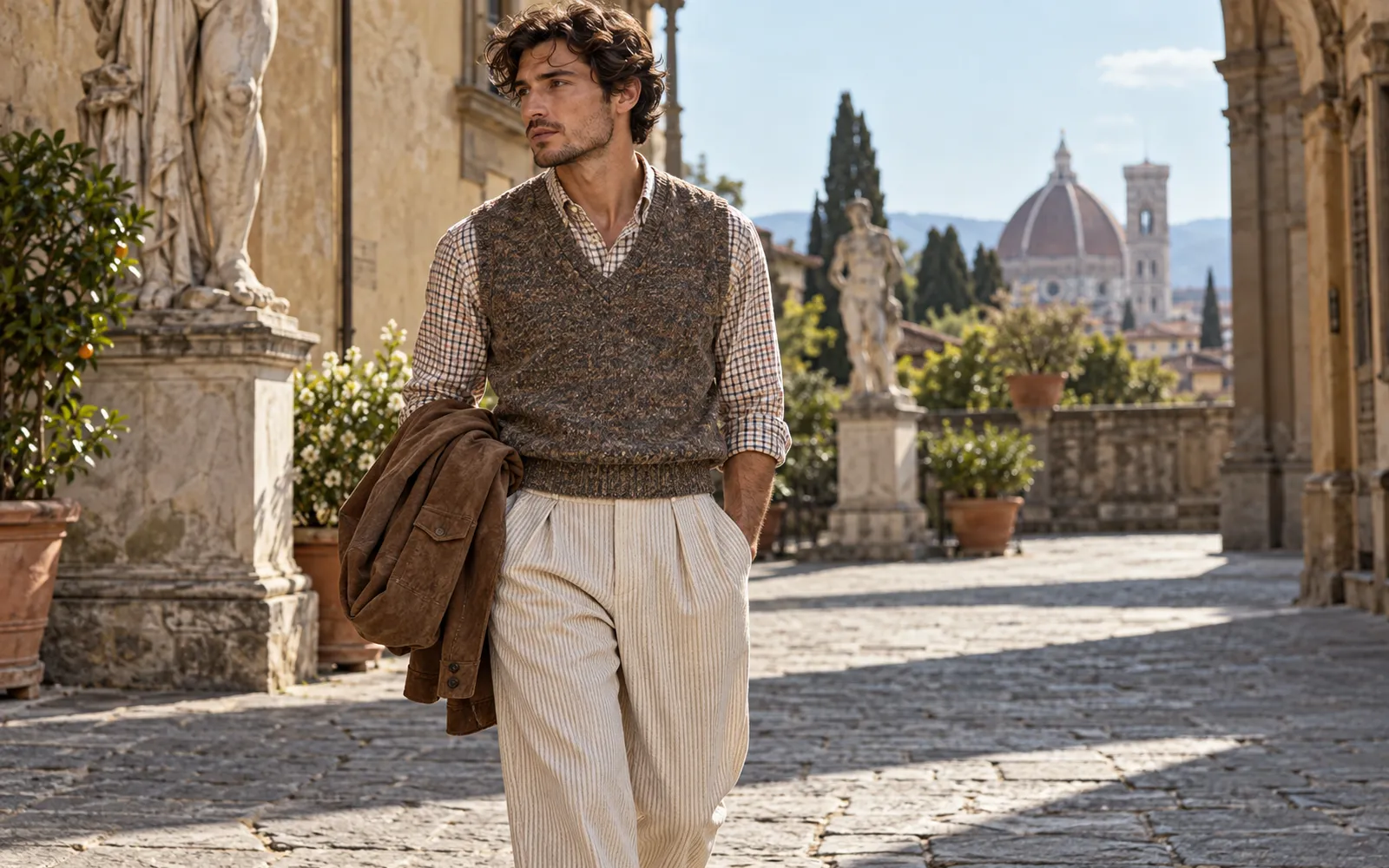
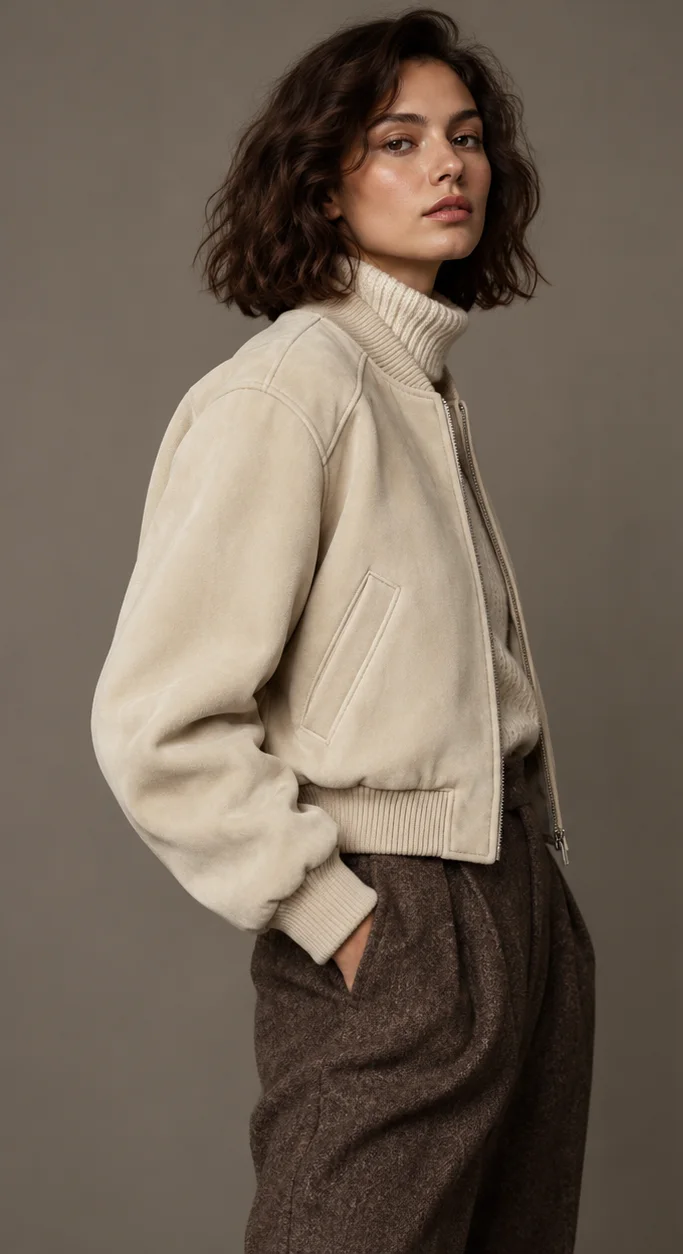
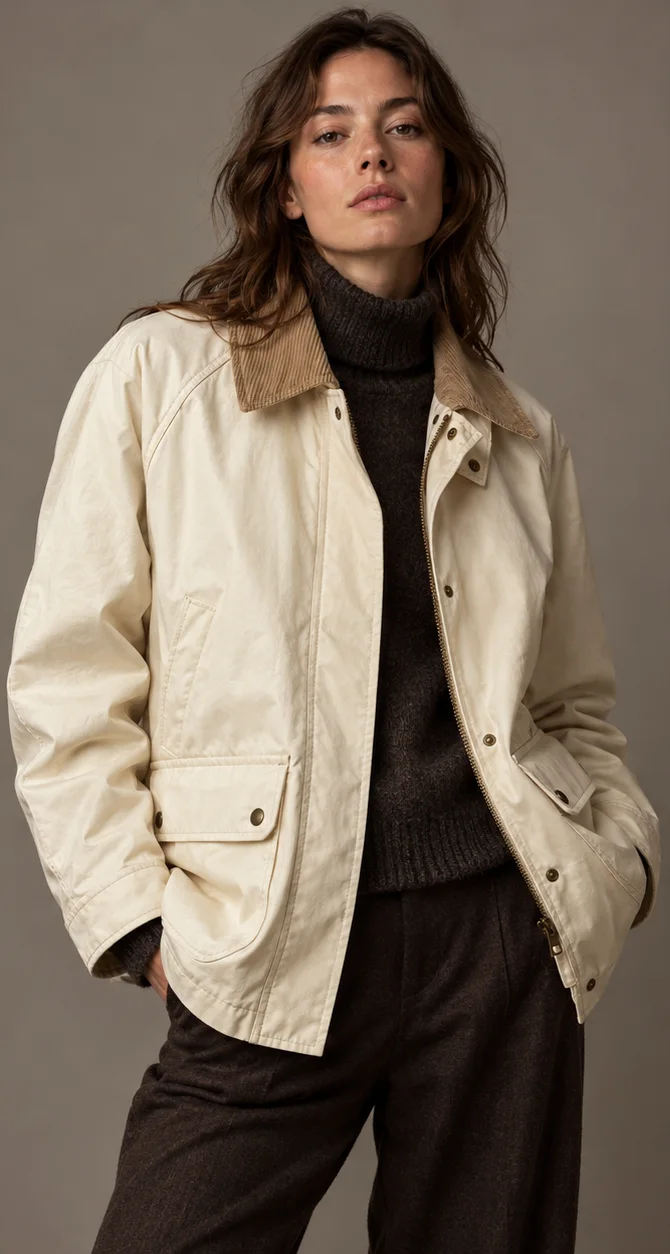
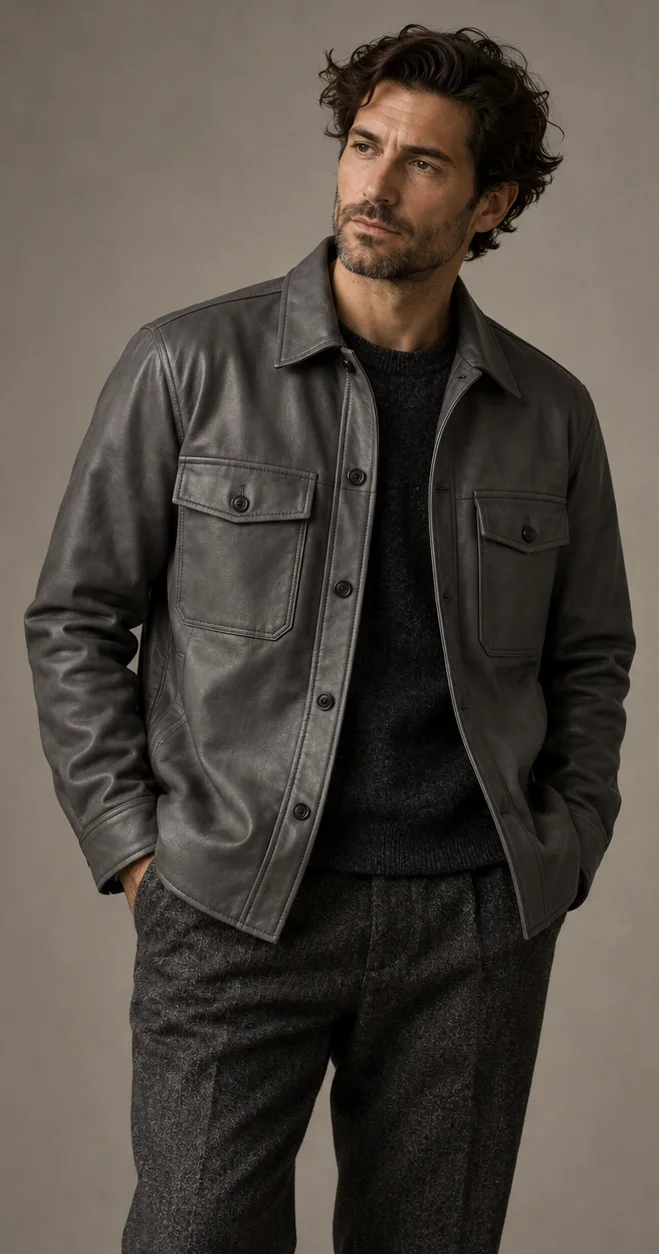
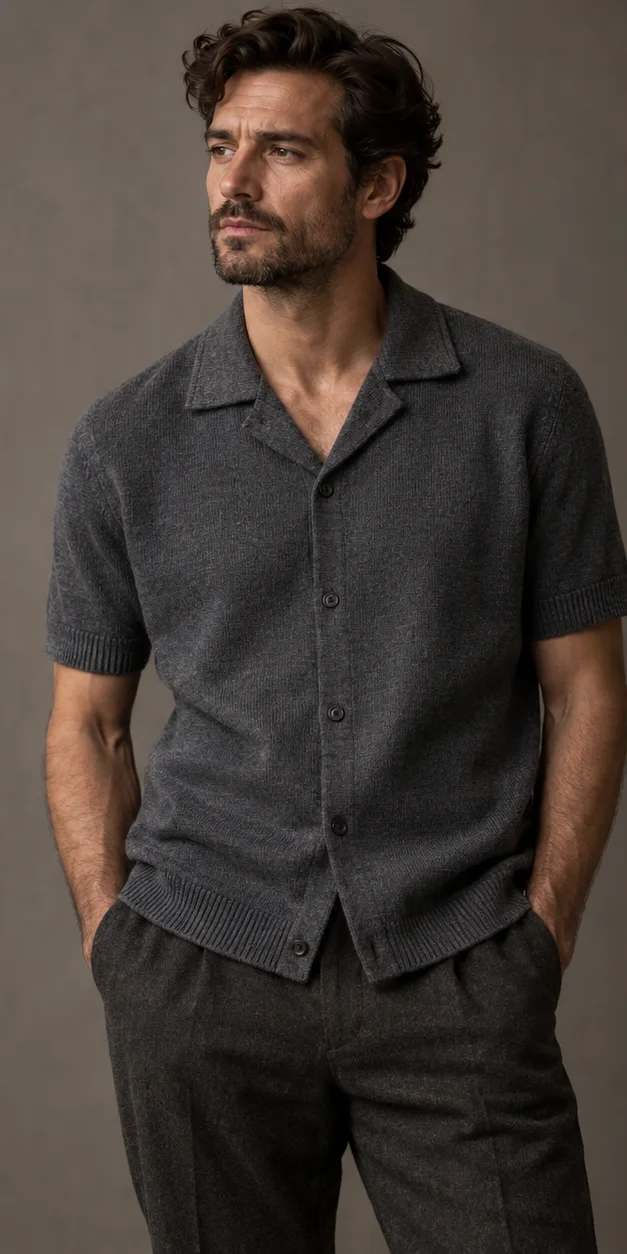
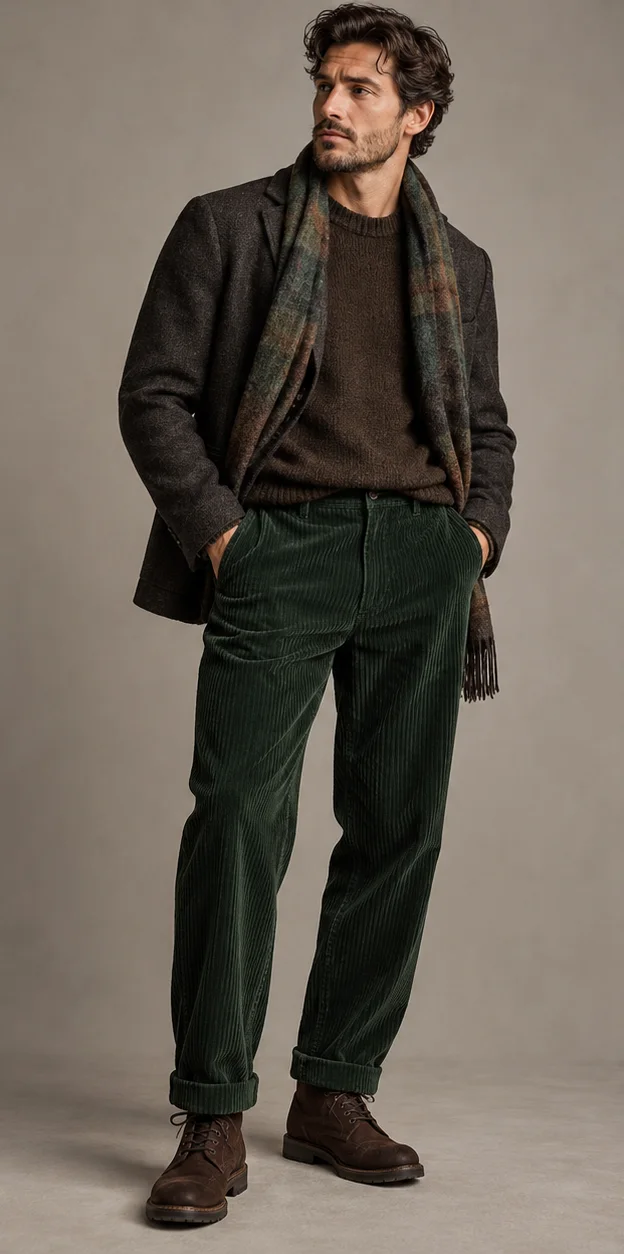
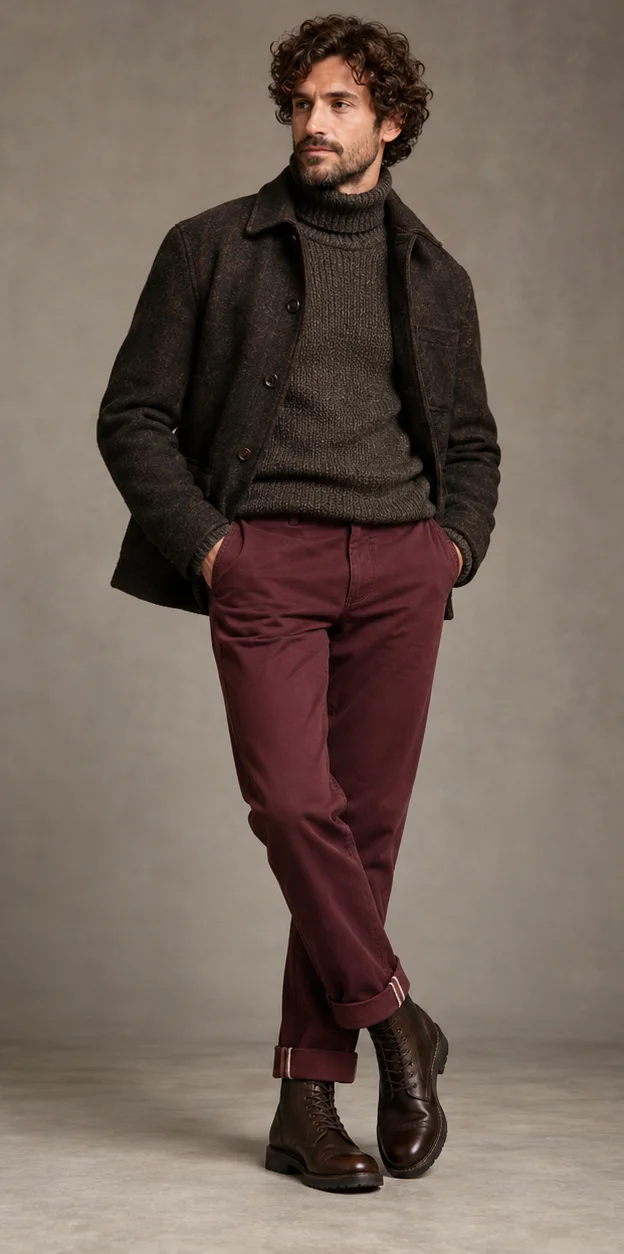
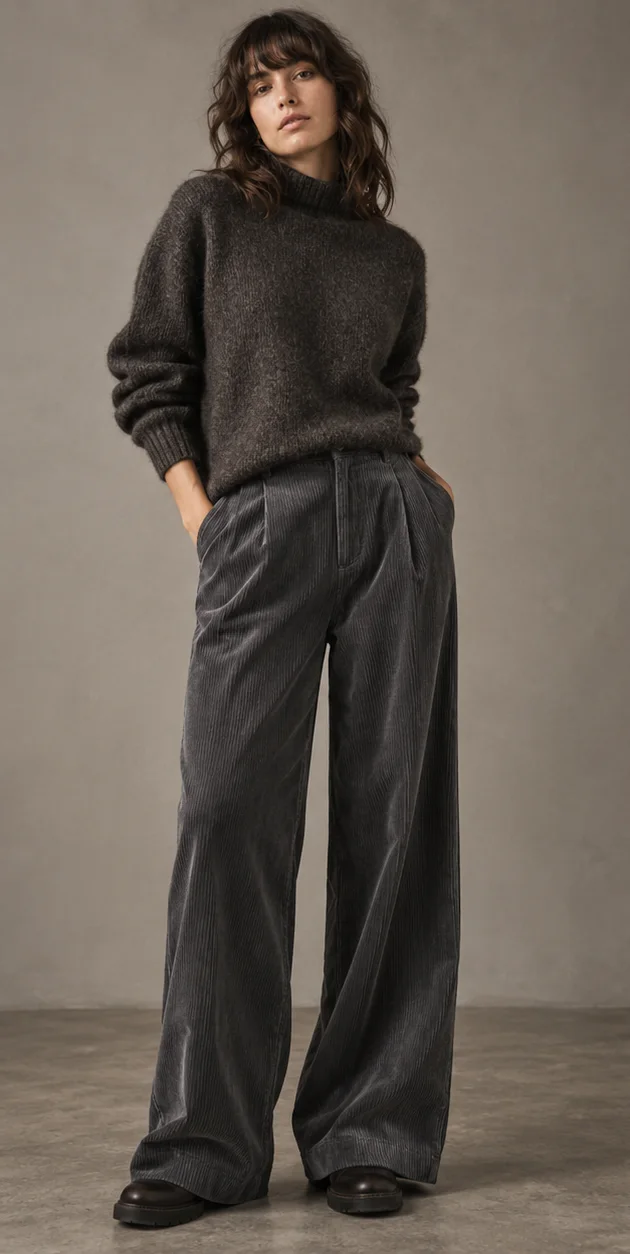
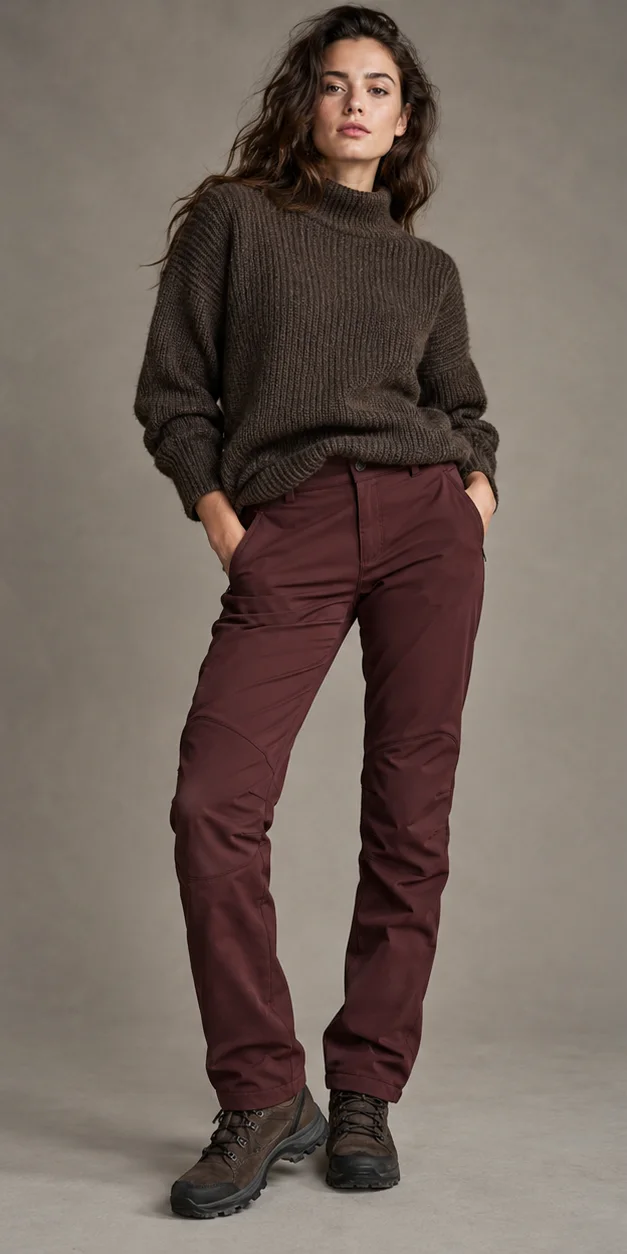
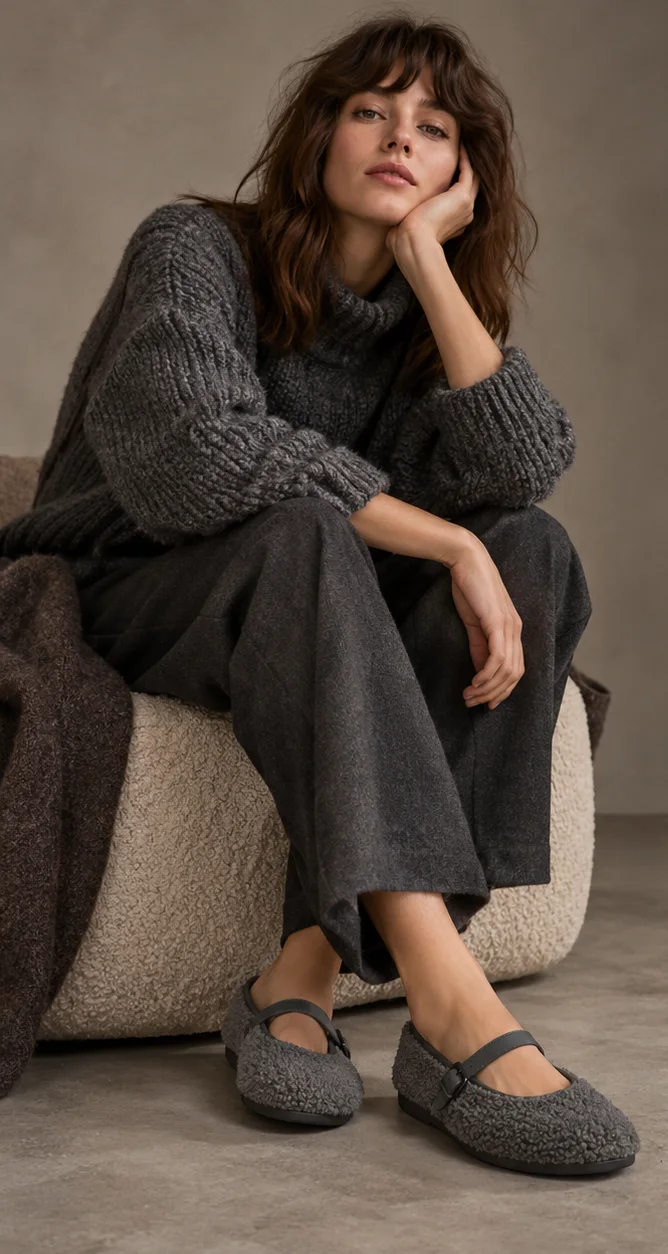
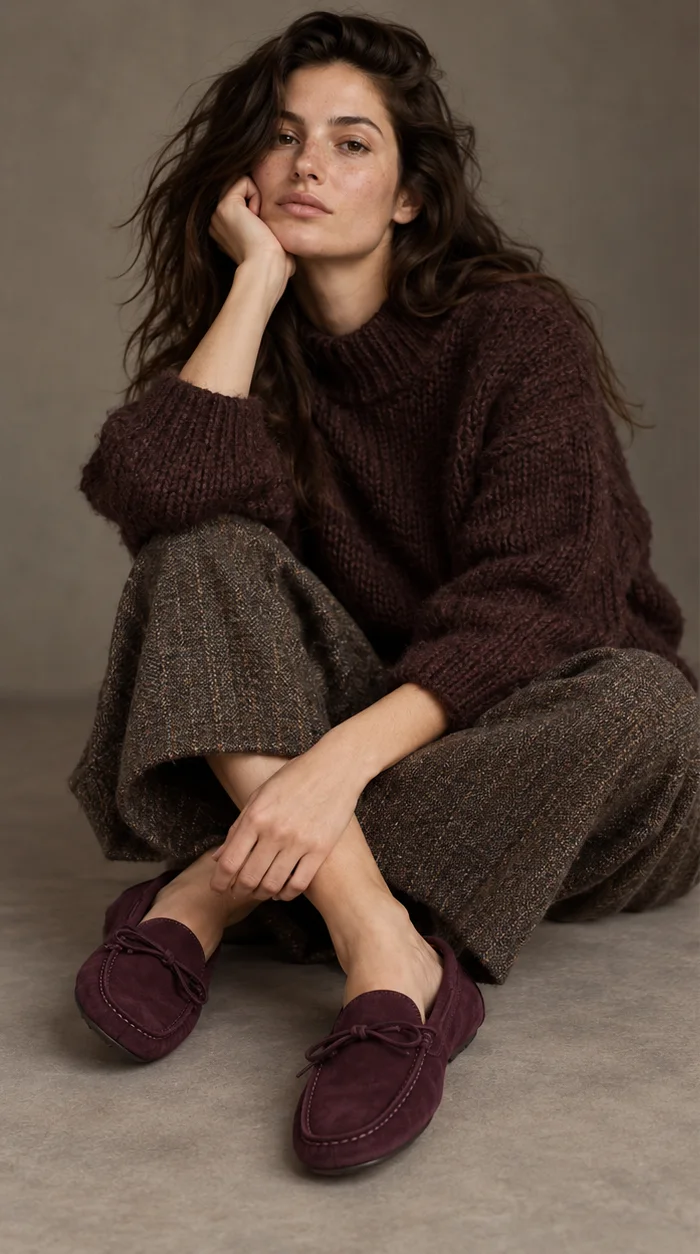
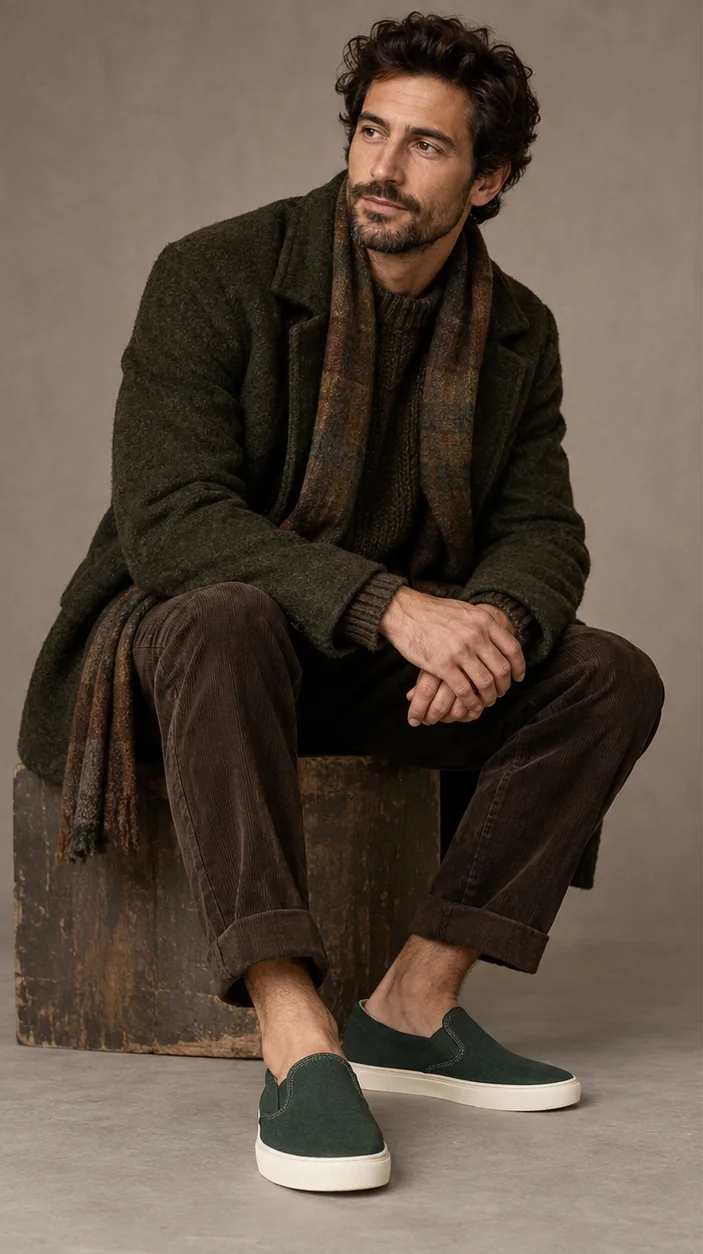
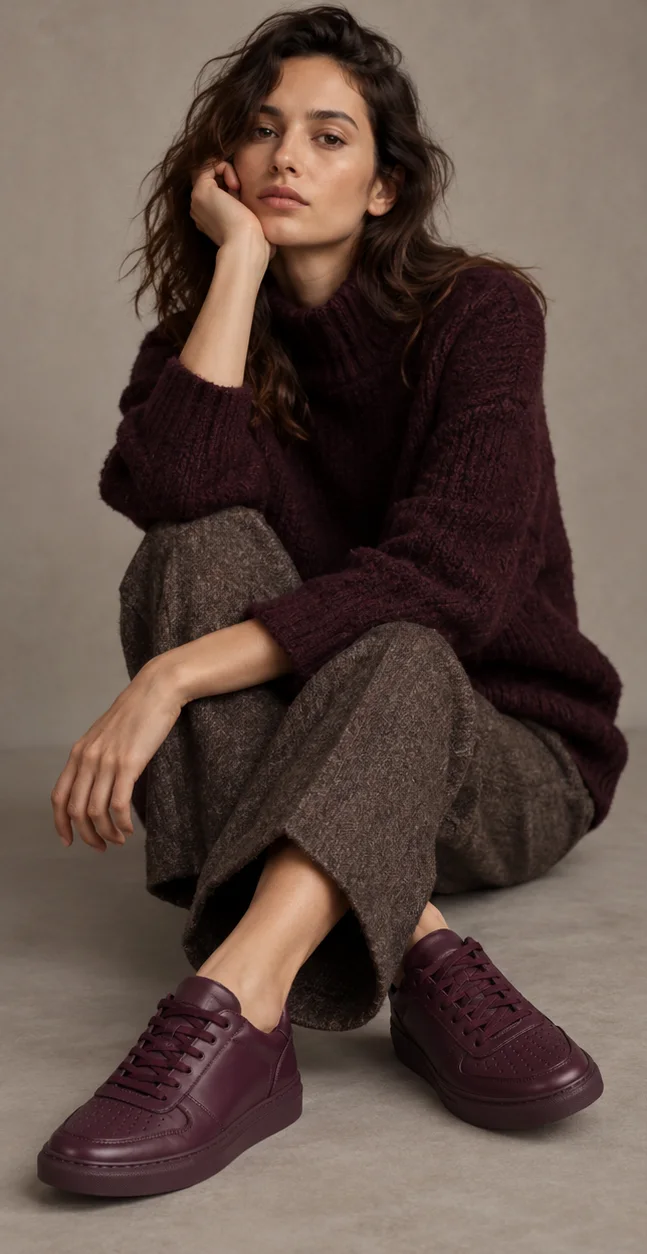
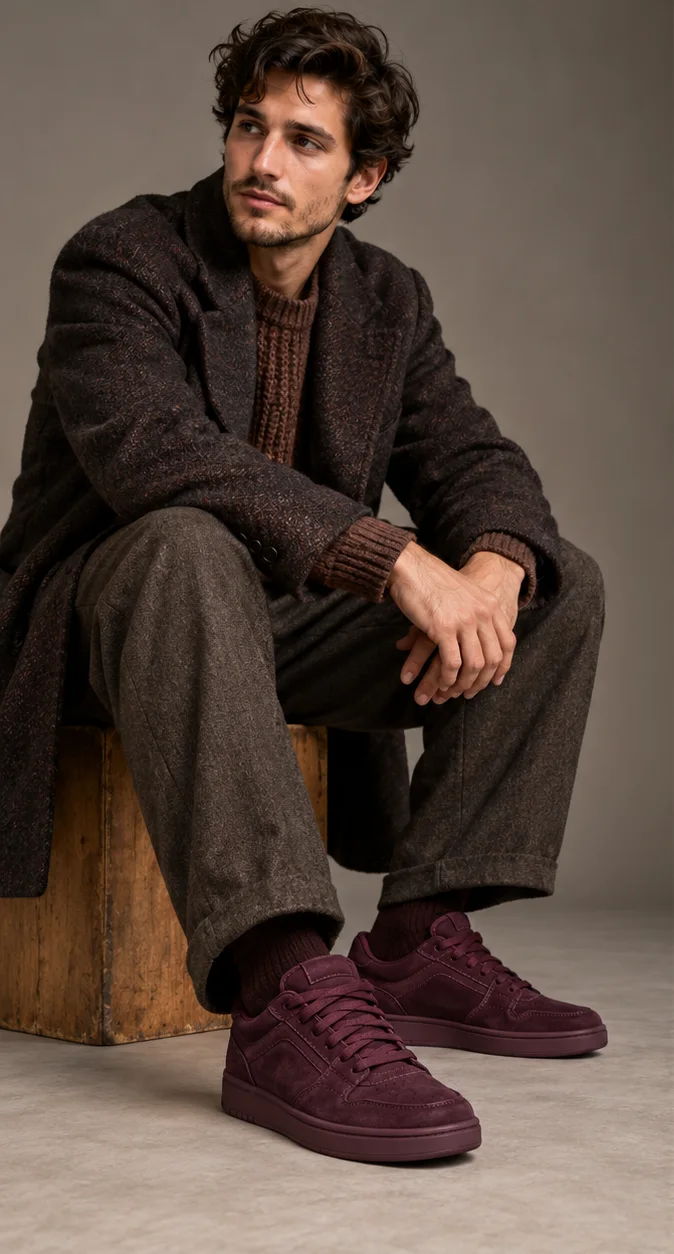
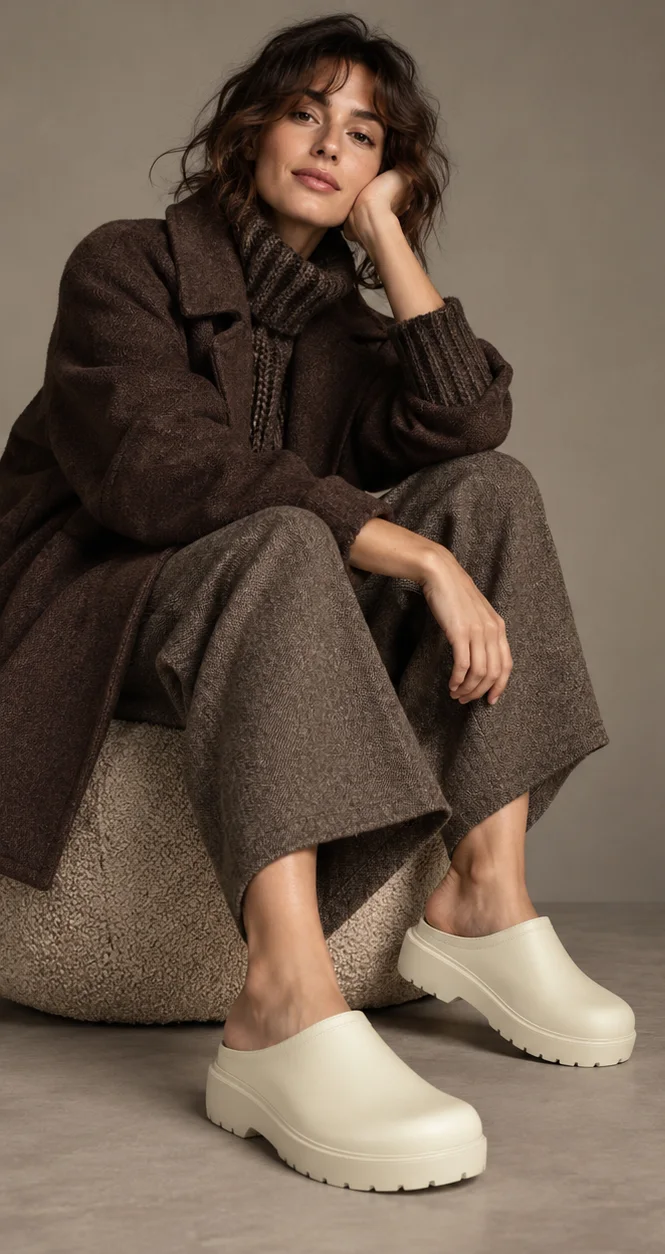
Tactile, checked and patched
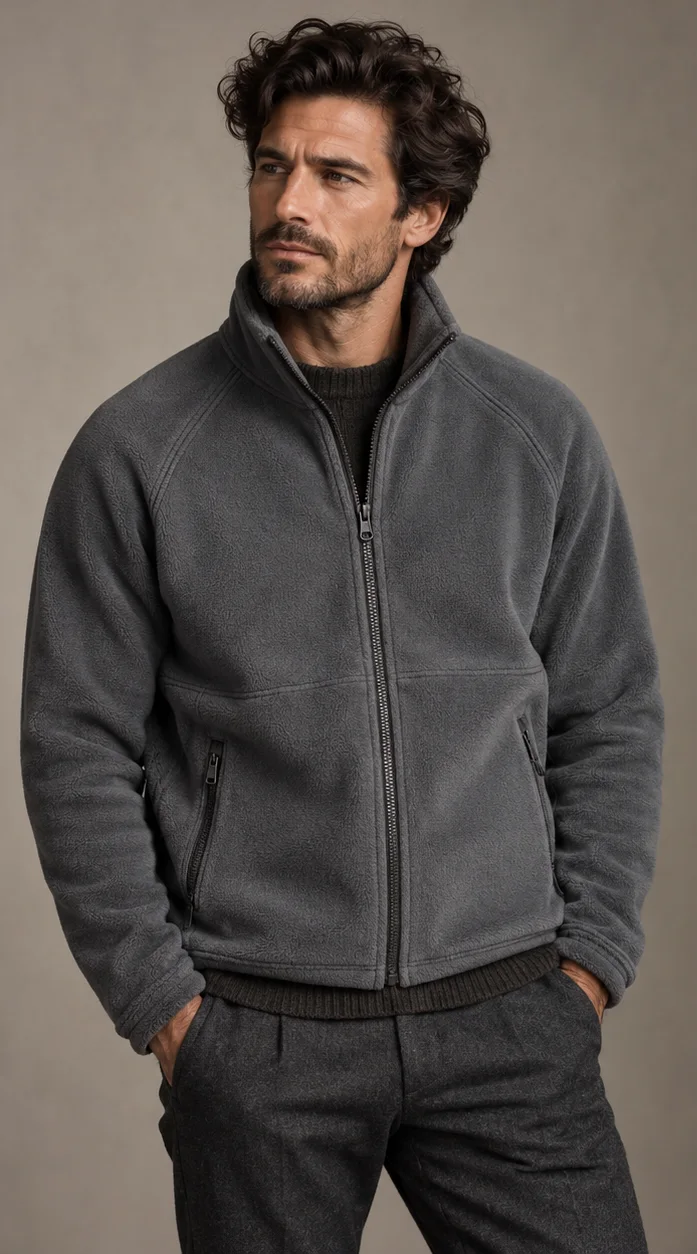
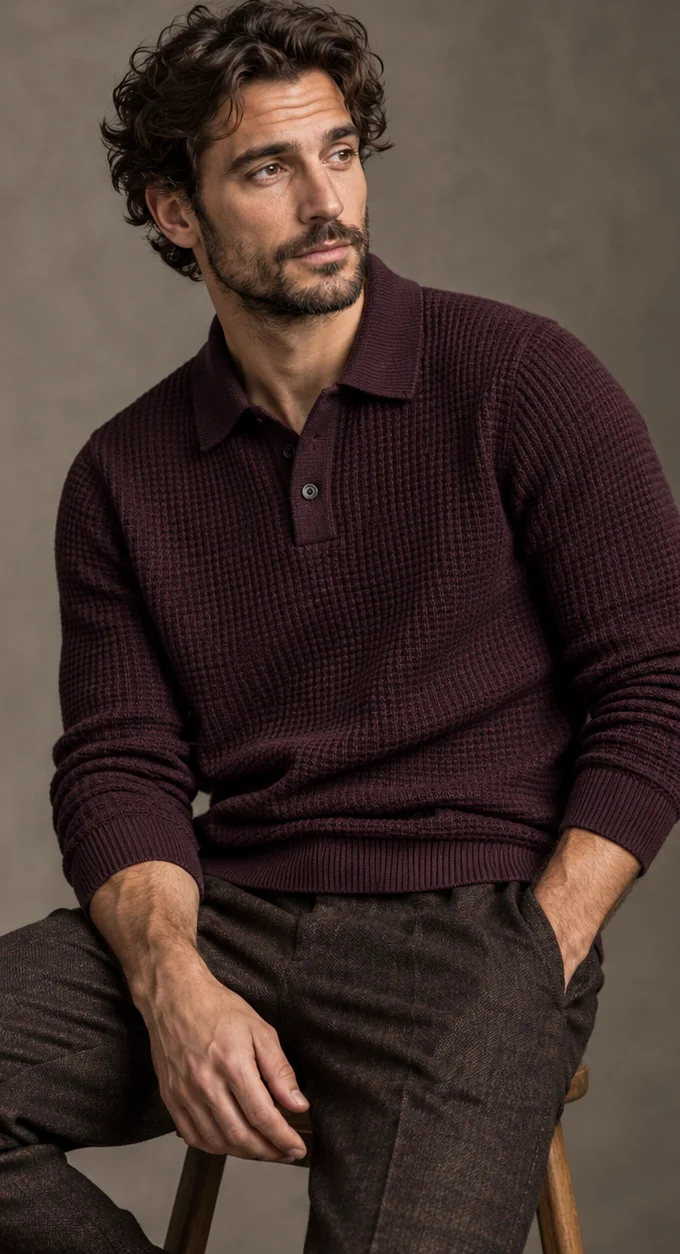
- Richly textured, touchable surfaces
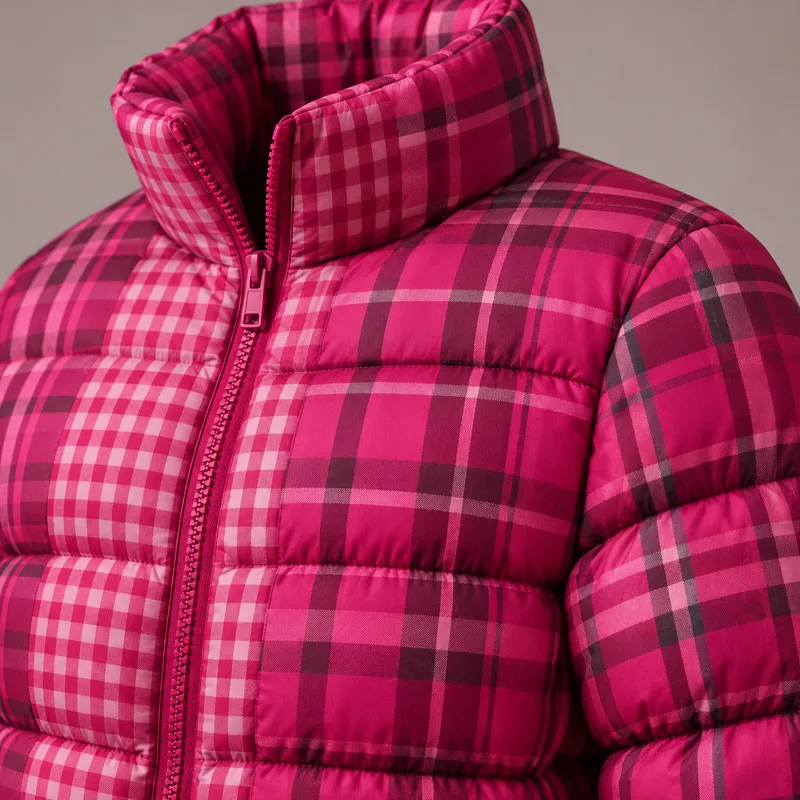
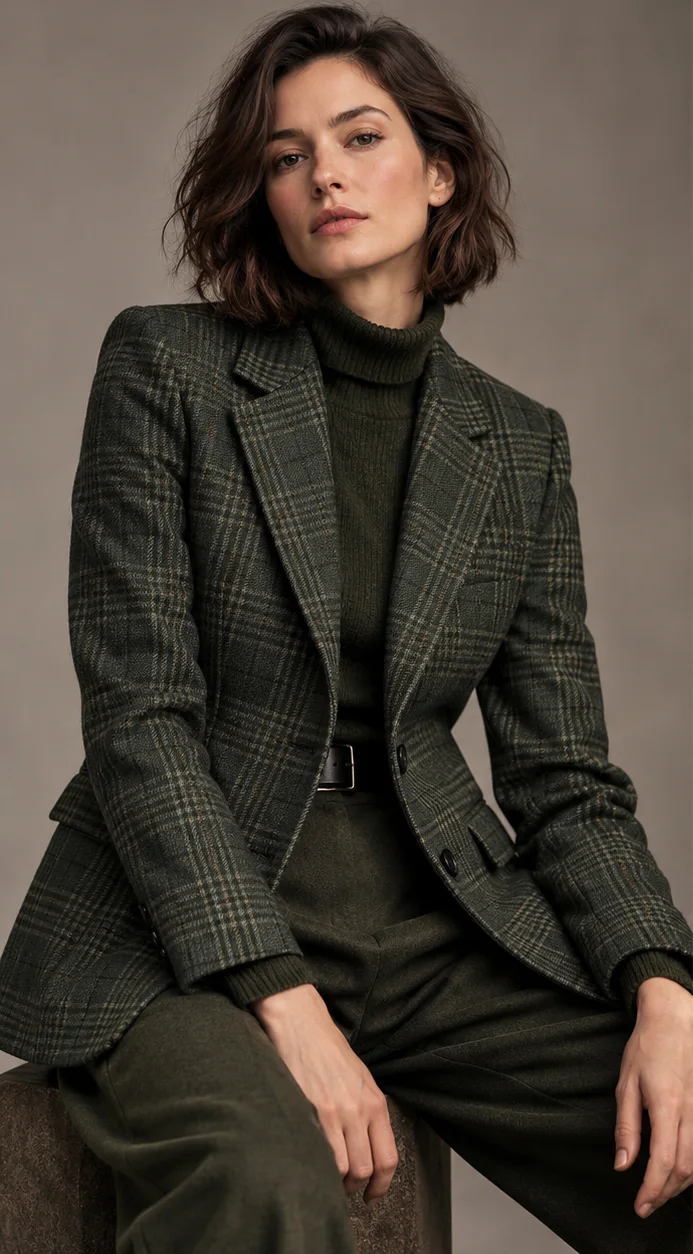
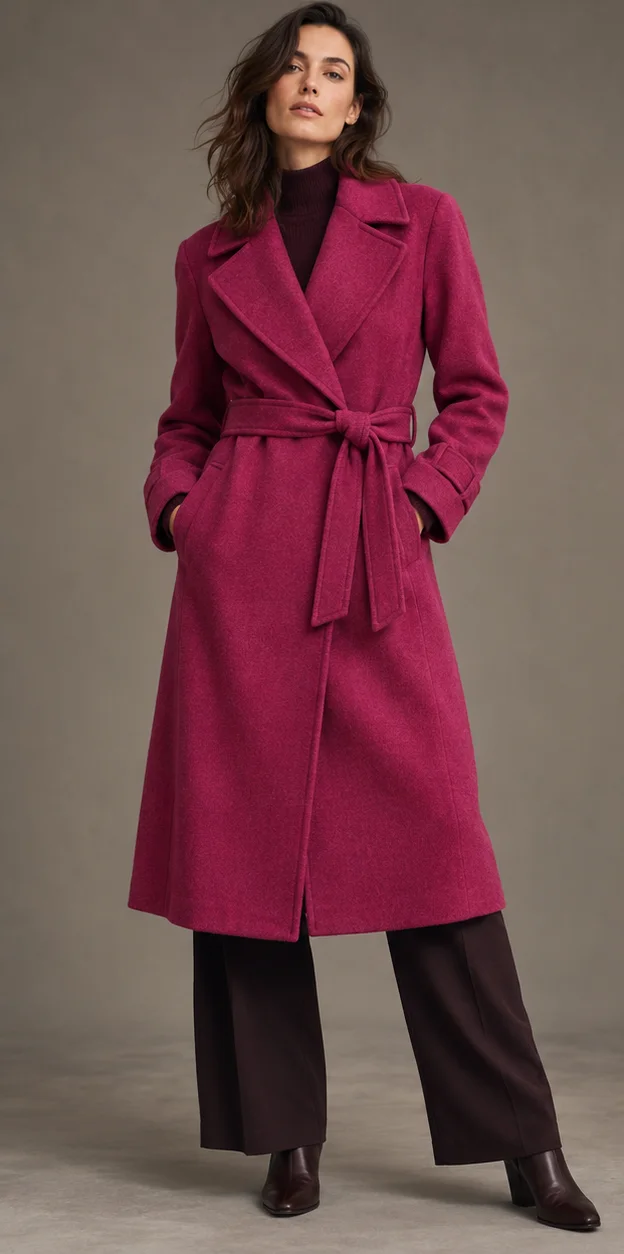
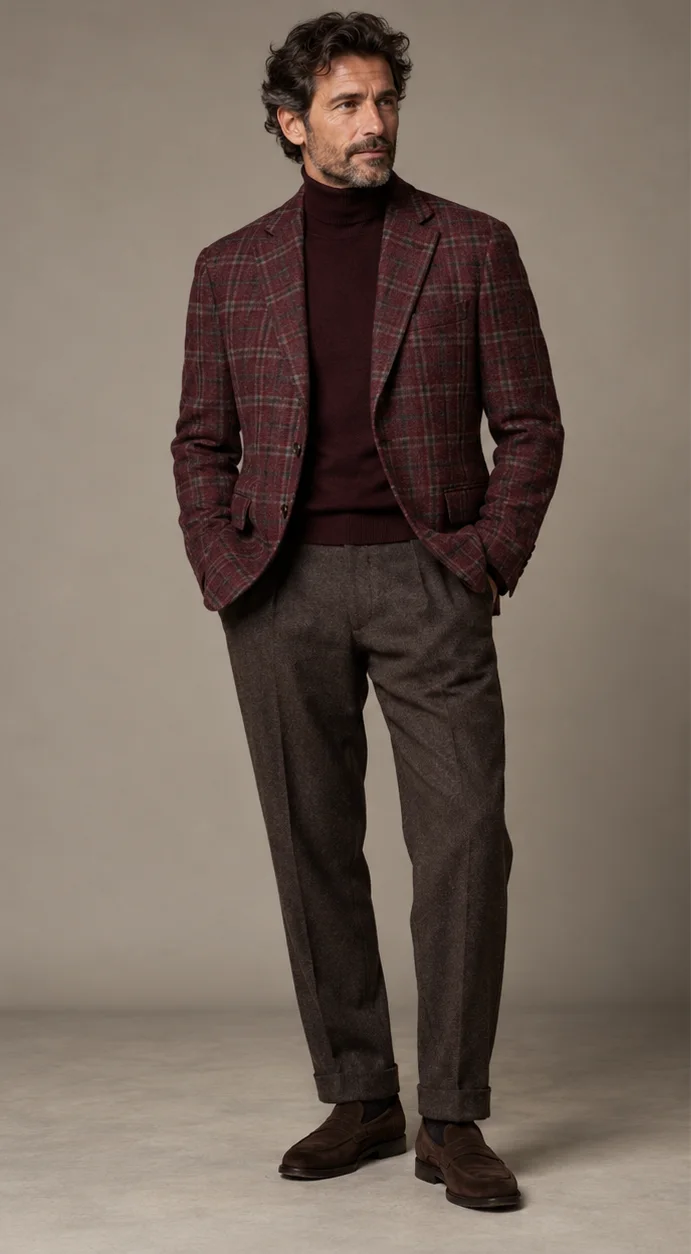
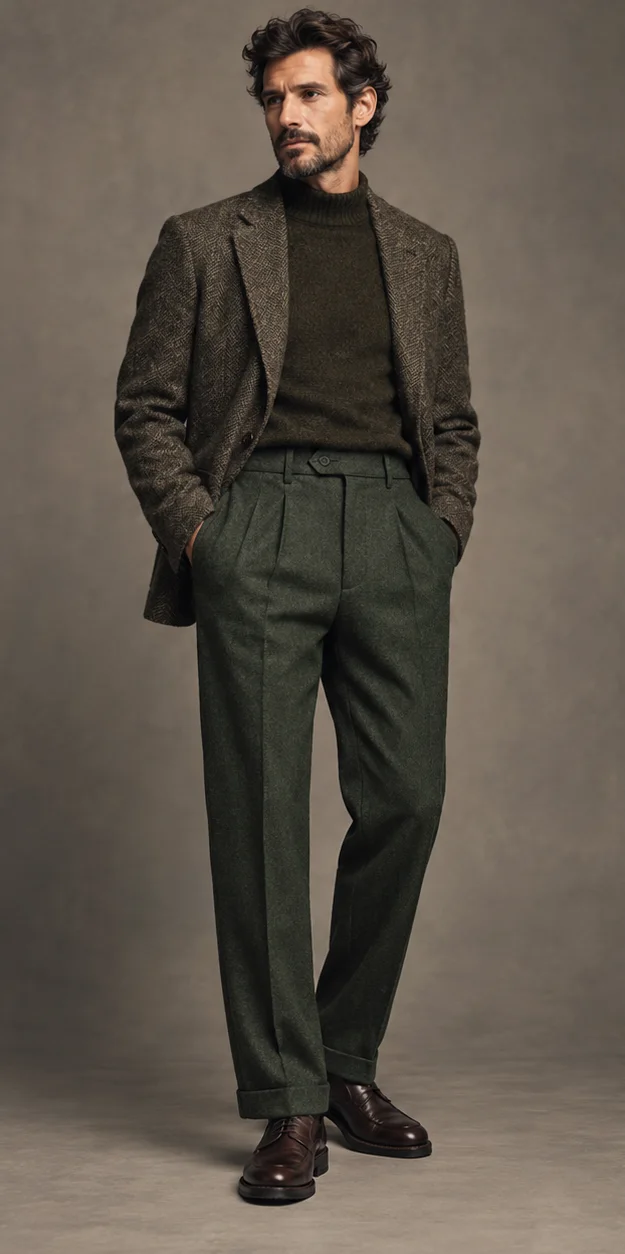
- Tattersall, madras and glen plaid checks
- Jacquard and marled wool knits
- Suede, canvas and denim with patchwork and sashiko stitching
Source: FashionUnited
India fabric signals
Forecut's read on the fabrics moving in the Indian market, Festive 2026 to AW27.
RisingFestive 26 → AW27
Lakmē Fashion Week's Ladakh showcase puts hand-woven pashmina and Himalayan wool on the national runway. Expect it in luxury shawls, jackets and winter wedding layers.
PeakingFestive 26
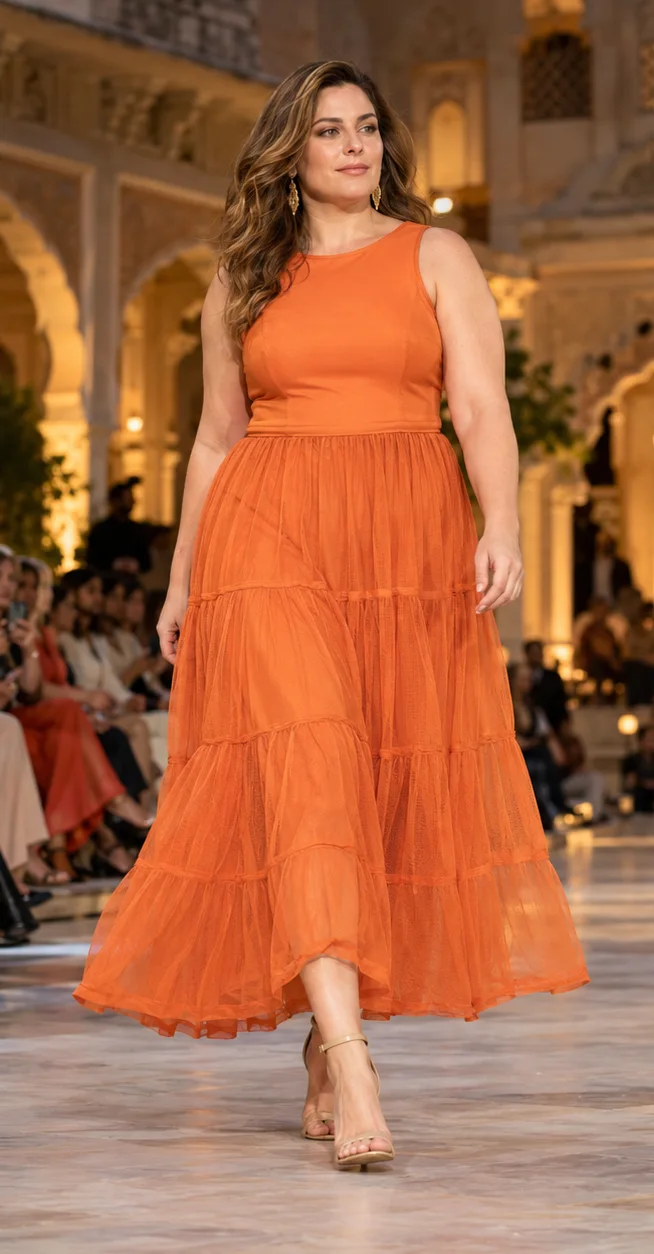
Light organza lehengas and tissue sarees lead occasion wear, in line with the global featherlight mood from Paris.
RisingSummer 27
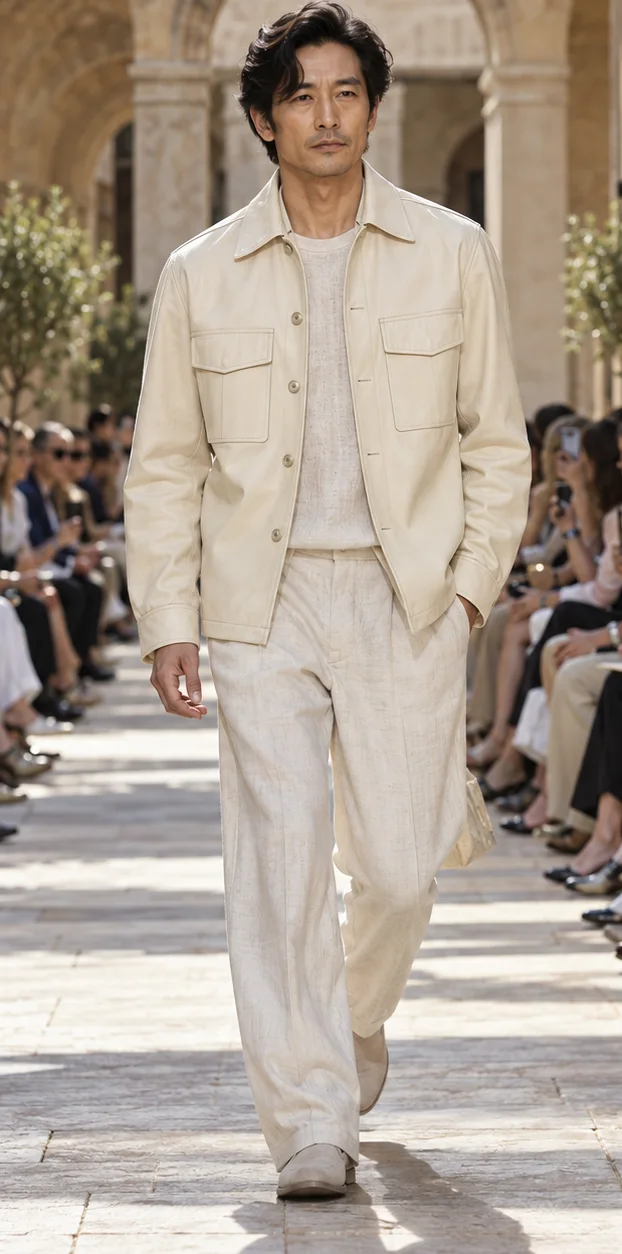
Khadi, Maheshwari and Chanderi sold on provenance, mirroring the natural, raw fabrics of Milano Unica's "Natural" theme.
RisingSummer 27
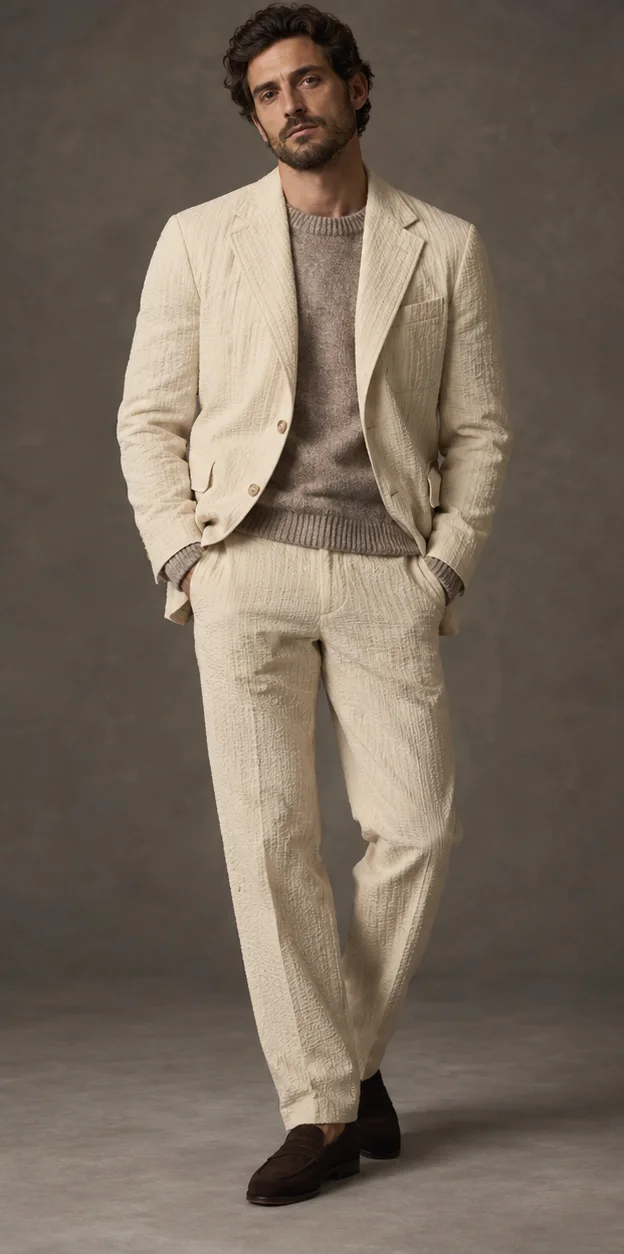
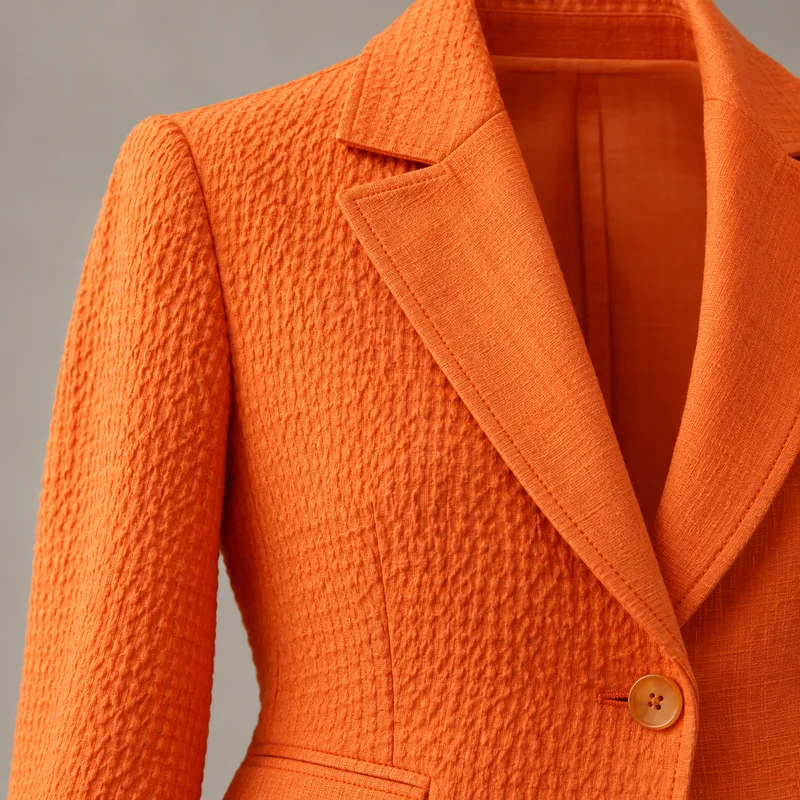
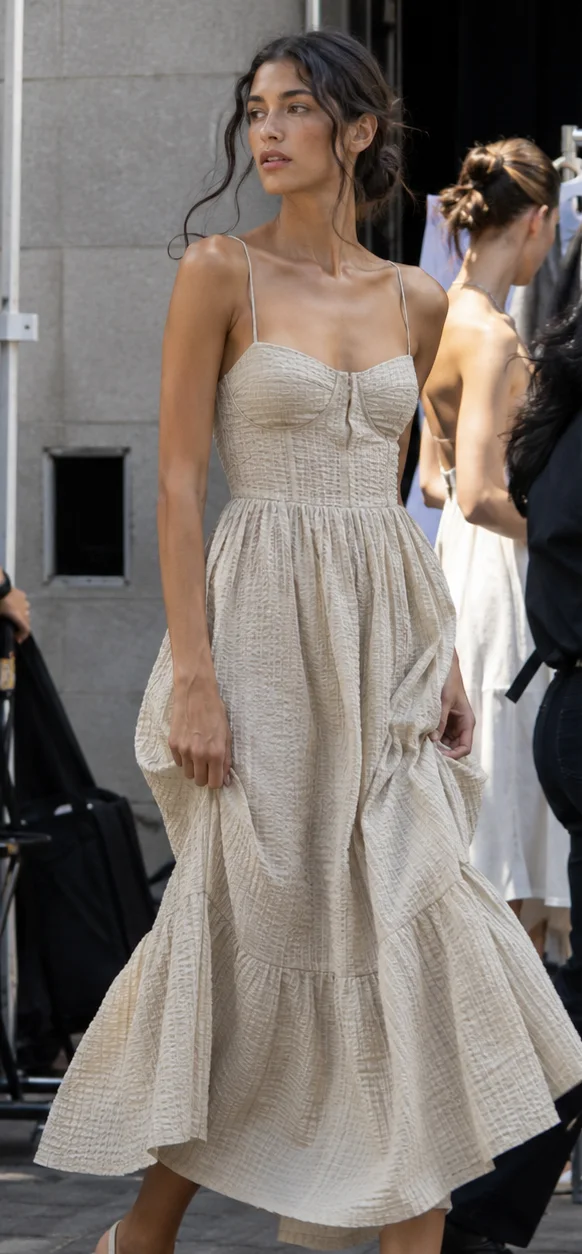
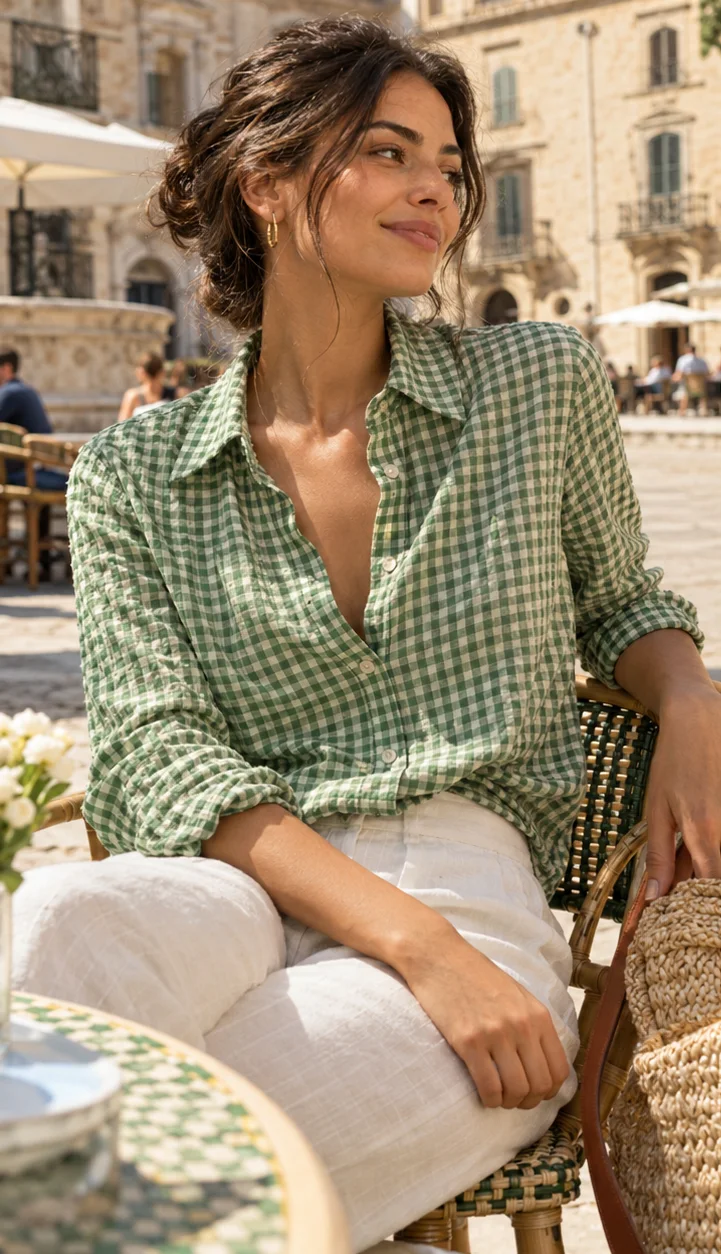
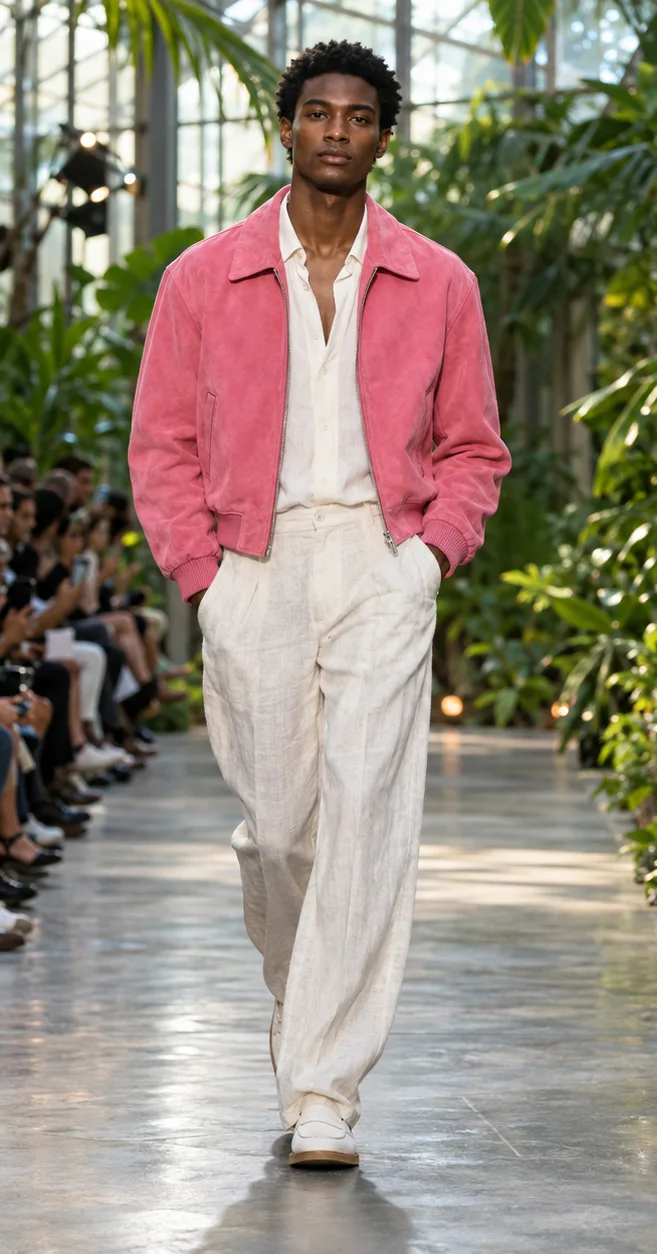
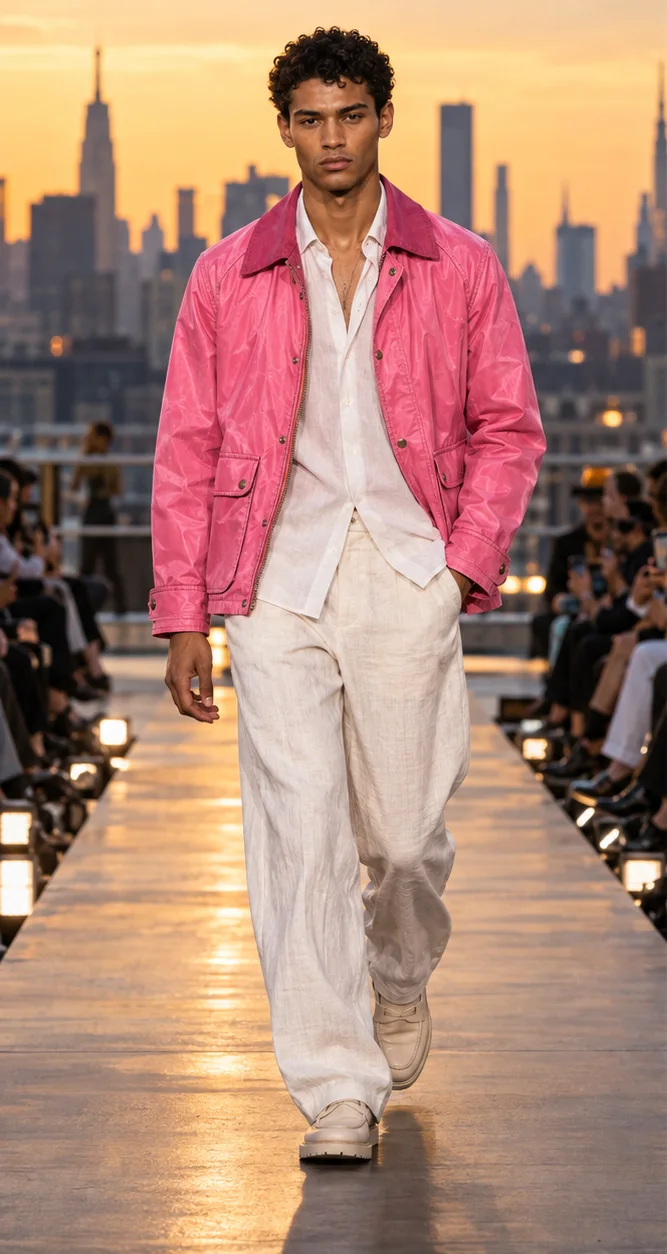
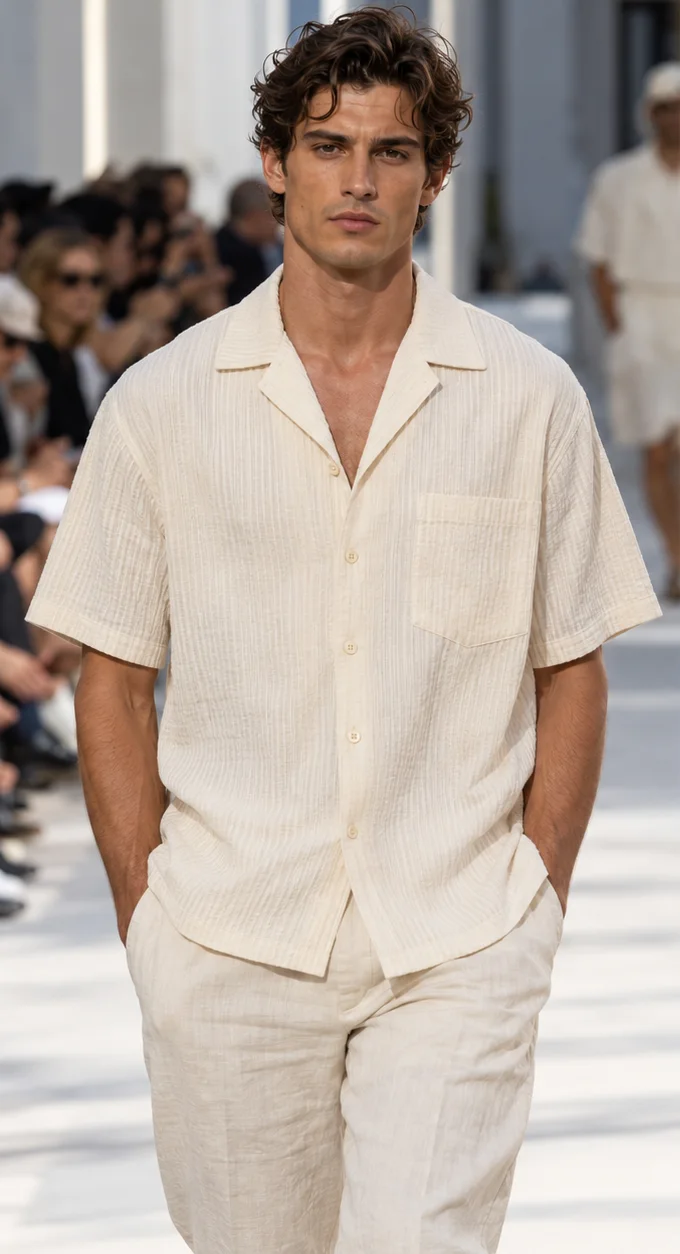
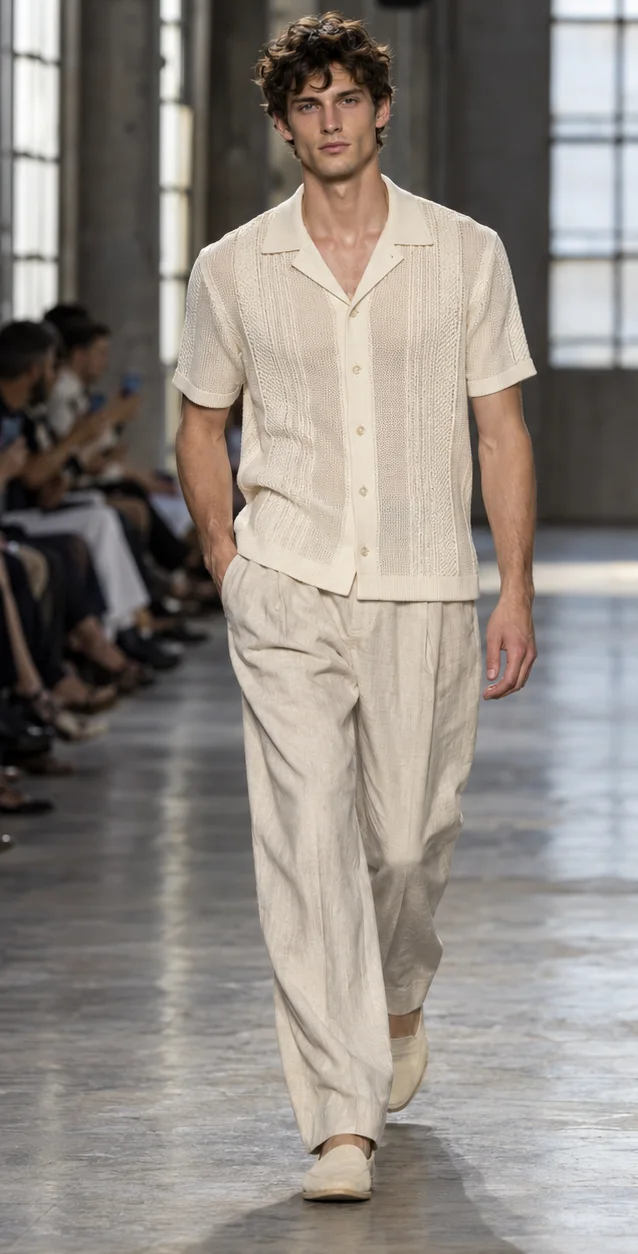
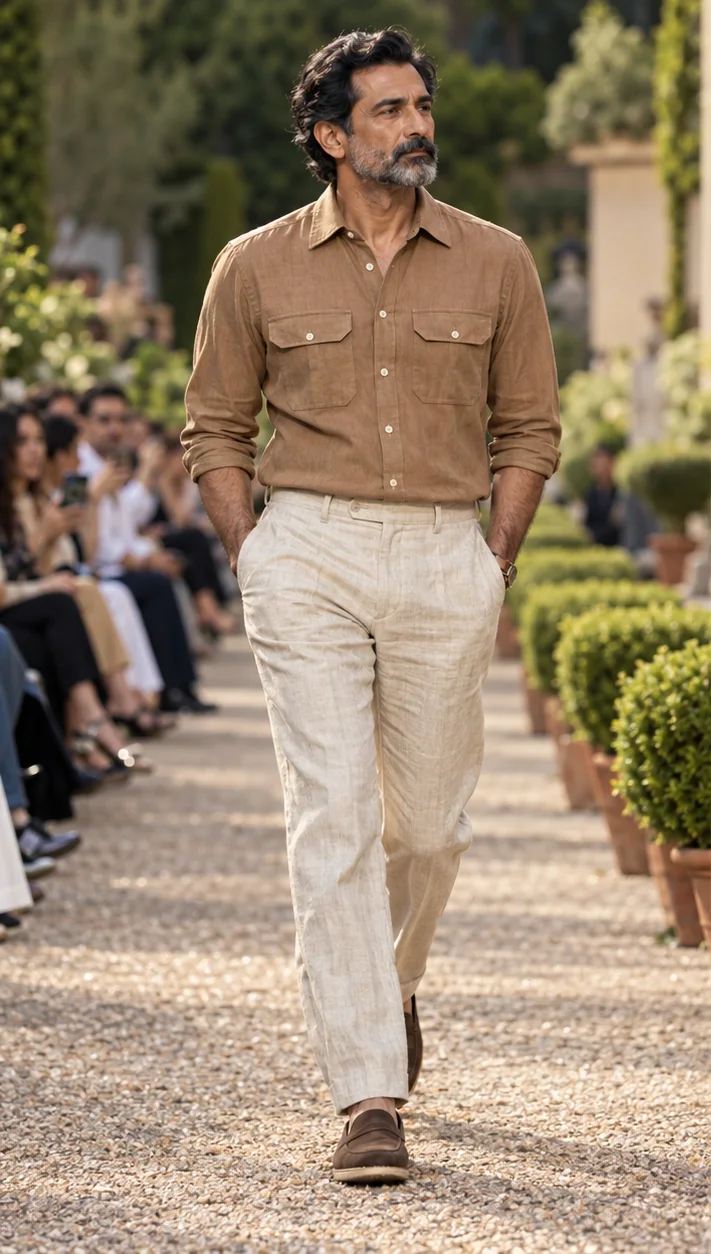
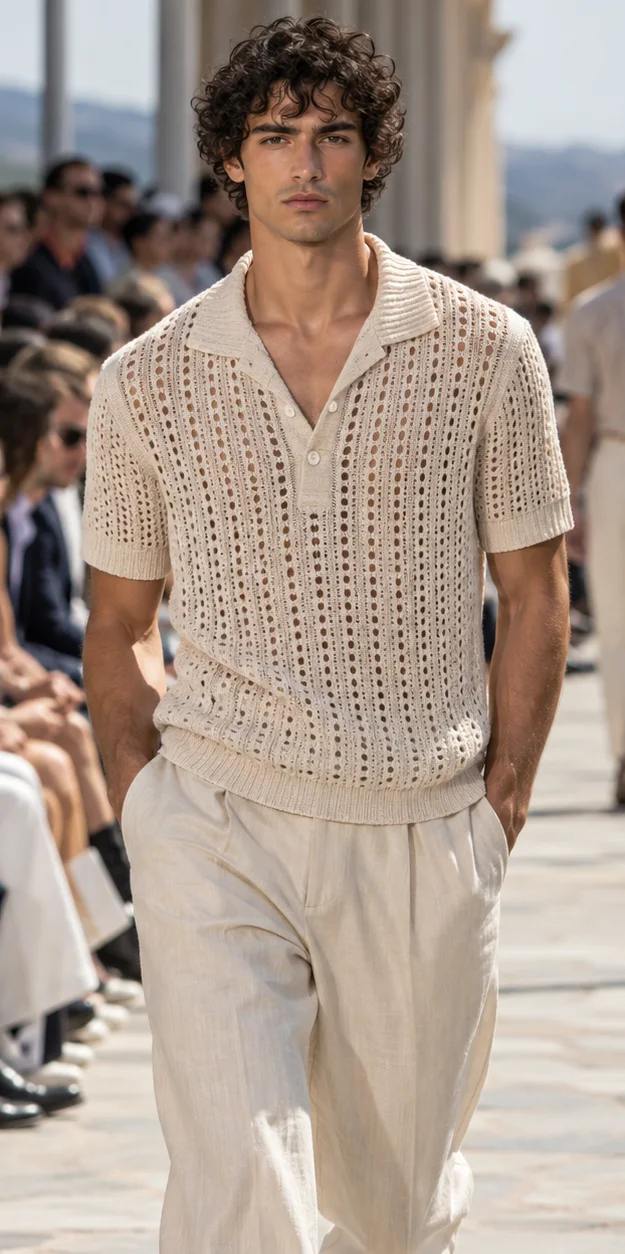
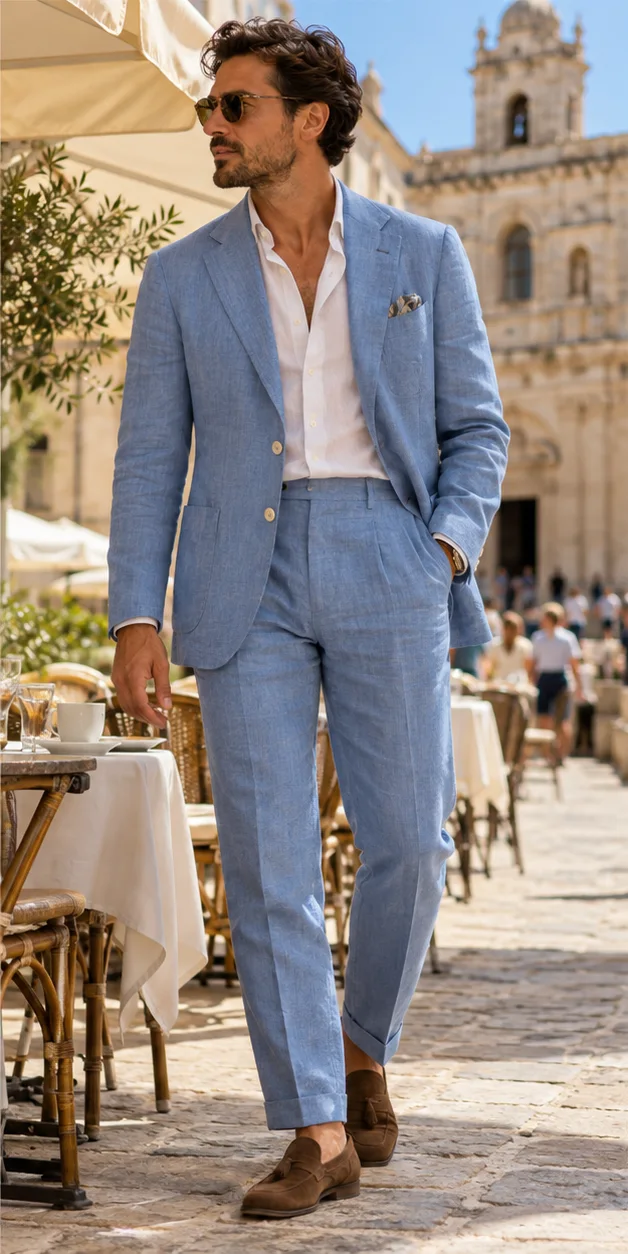
Forecut's data shows seersucker and linen rising across shirts, suits and dresses for SS27; ideal for Indian heat.
EmergingSummer 27
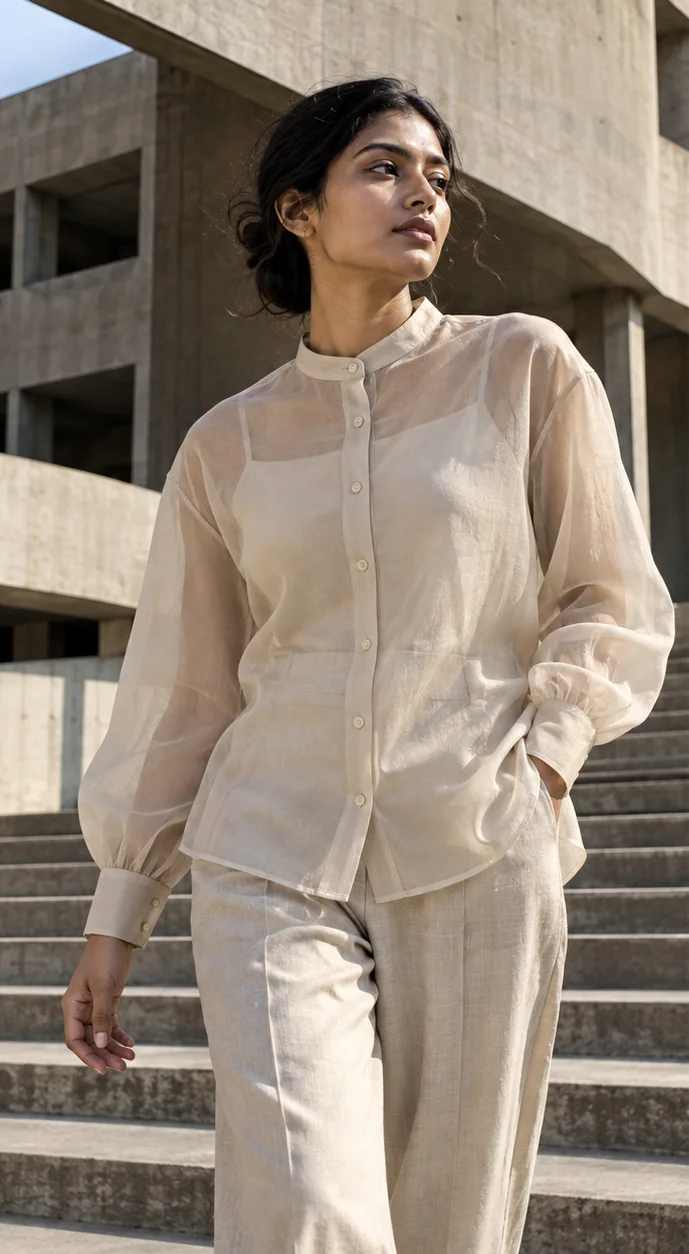
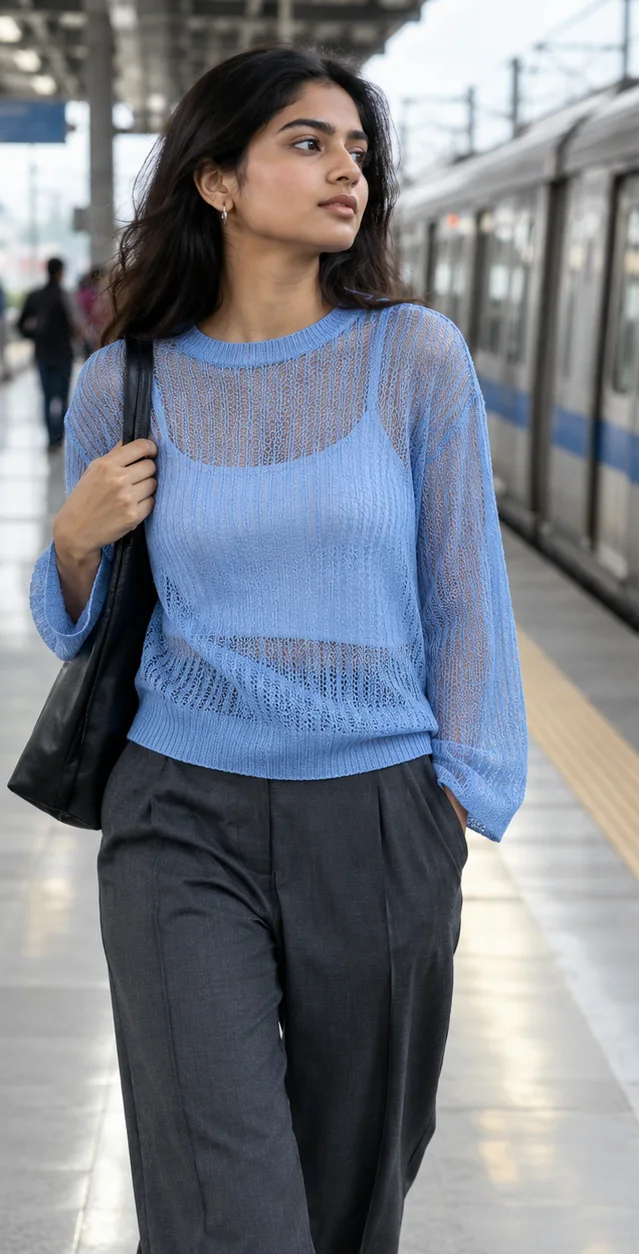
Sheer overlays and skirts worn over linings: the wearable route to the runway sheer trend for Indian retail.
EmergingAW27
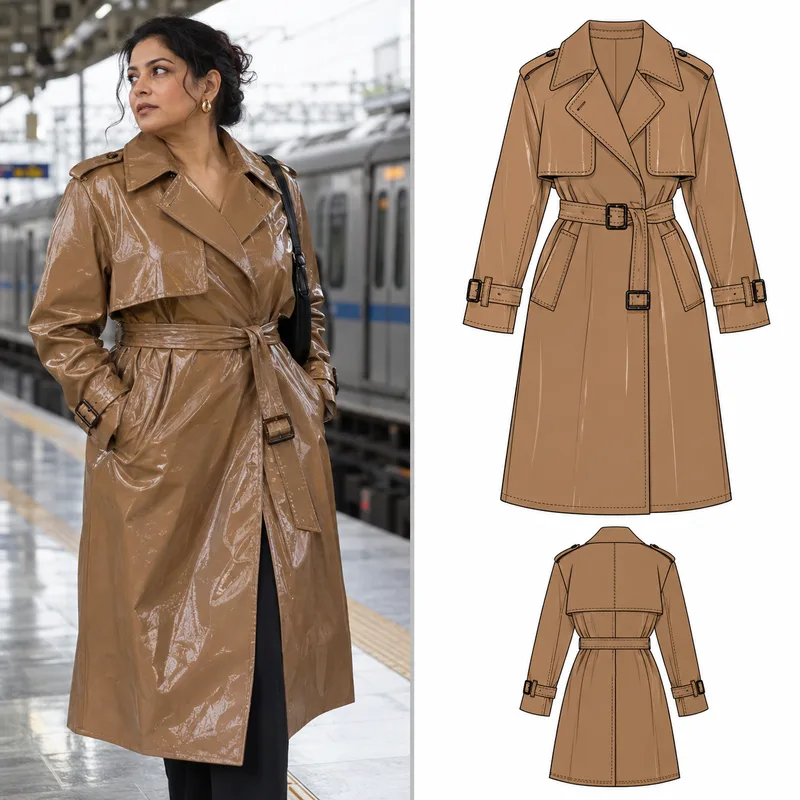
Coated and lacquered finishes from Milan and Milano Unica, translated into easy-care commuter fabrics.
Mills & fabric fairs
Fabric fairs show materials a year or more before stores. What the latest fairs signal.
Première Vision Paris
- "Living Matter": materials as living, irregular surfaces
- Time and memory; organic "wild" materiality
- Nuanced neutrals and cool tones
Source: Première Vision
Intertextile Shanghai Apparel Fabrics
- Elastane-free natural stretch in wool, cashmere and mohair (Trabaldo Togna)
- Waterless finishing and low-impact indigo denim (Kipaş Denim)
- India Pavilion: GOTS organic cotton, Lenzing fibres, bamboo and silk
Source: Textile World
Milano Unica 43
- "Singular – Plural": Comforting Comfort, Delicacy, Big Blur, Colour Vibe
- First Hemp Lab with a pilot long-fibre hemp collection
- Fabrics with 70% plant-based LYCRA® fibre from Milior, Brugnoli and others
Première Vision Denim
- Historical archives: velvets, satins, upholstery jacquards
- Elevated core: denim codes in tailoring, trompe-l'oeil prints
- Cultural denim and regenerative cotton
Source: Première Vision
Milano Unica 42
- Three themes: Natural, Shadow and Sun
- Viscose georgette, linen and cotton twill, linen terry, washed denim
- Luminous jacquards, lacquered leather-effect fabrics, iridescent compact jerseys
Source: FashionUnited
Innovation radar
New fibres and finishes, rated by how close they are to your shelves.
Innovation reports
More on the radar
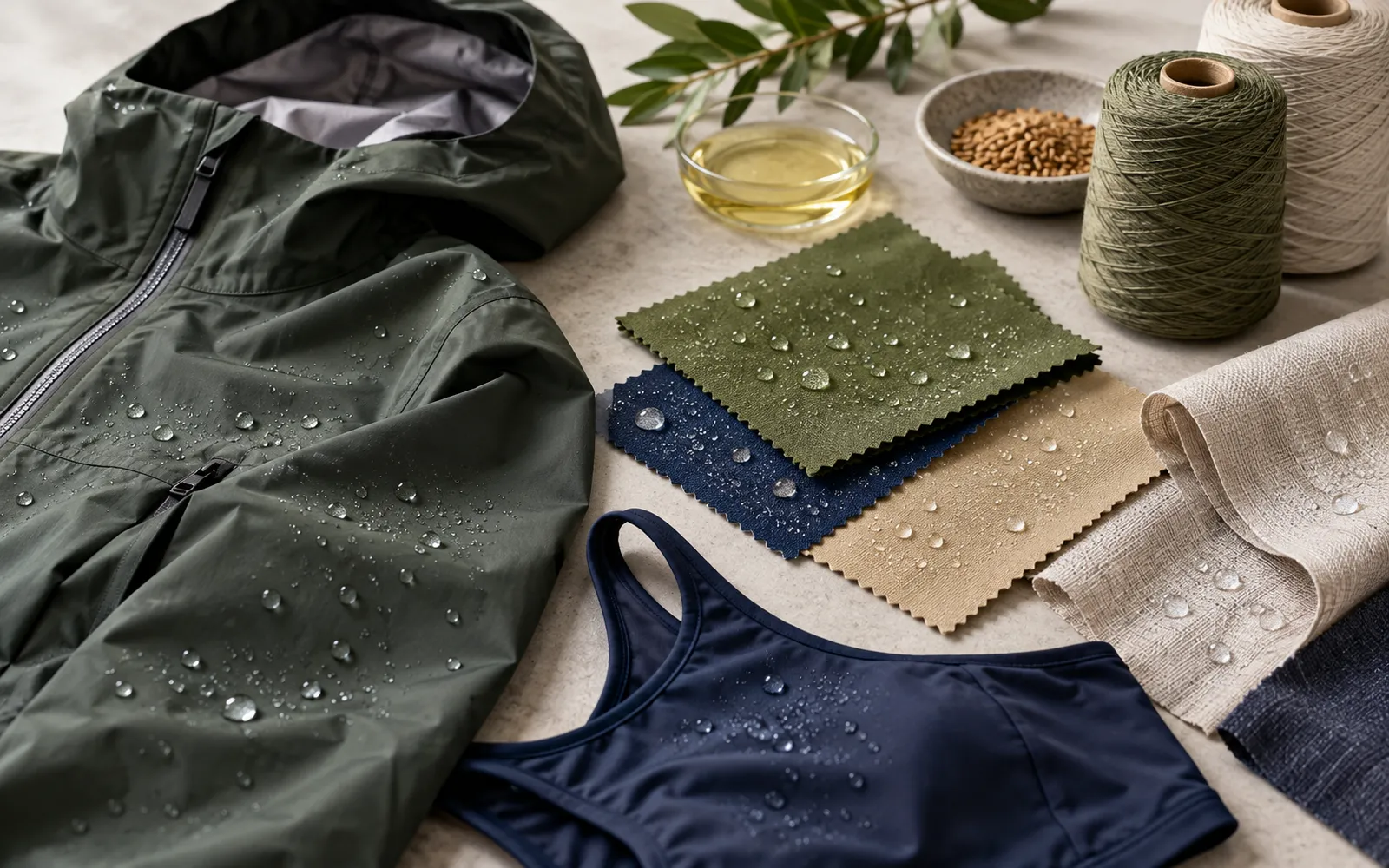
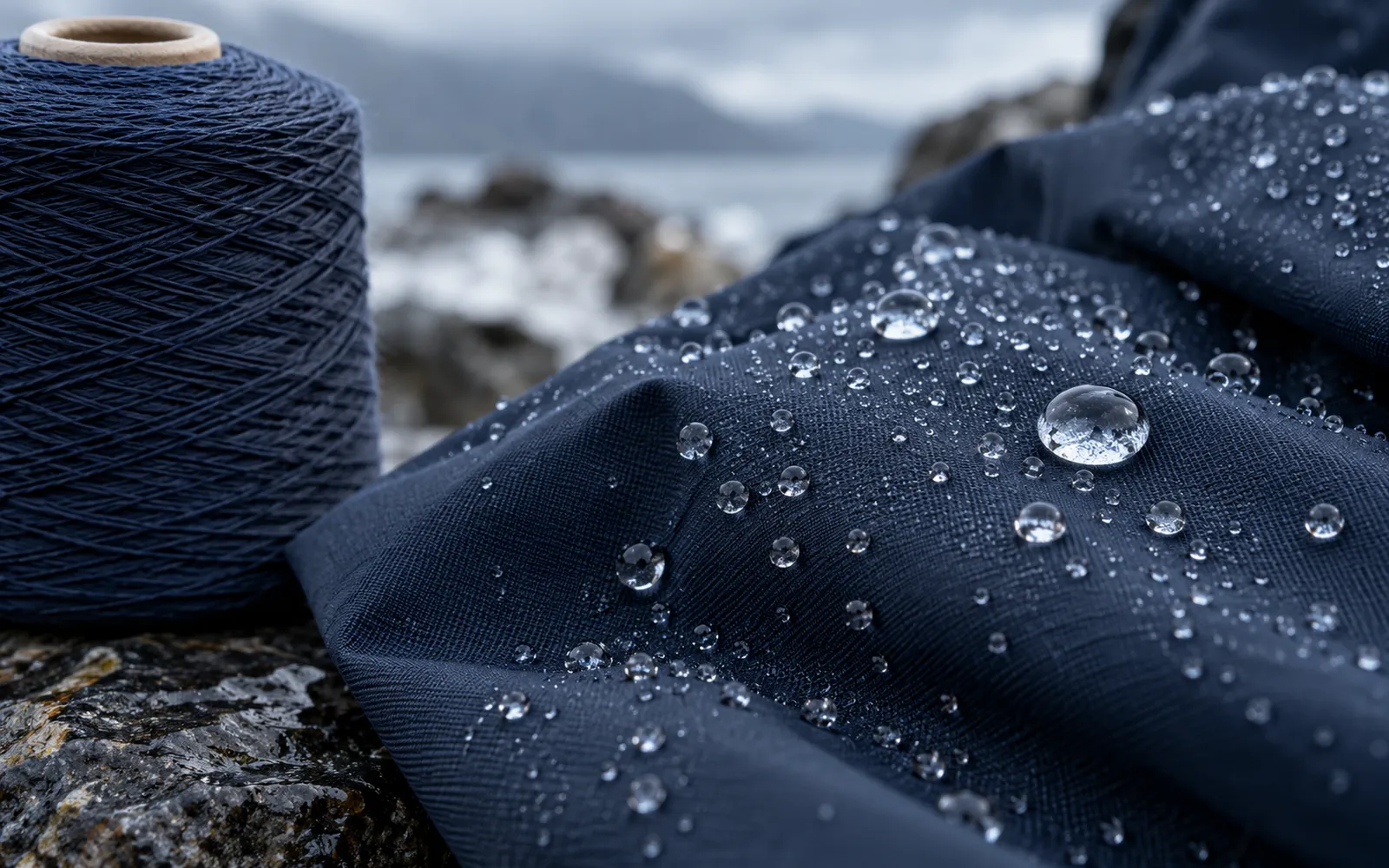
Water repellence built into yarns or plant-based finishes instead of fluorinated chemistry. Expect it in outerwear, swimwear and travel wear.
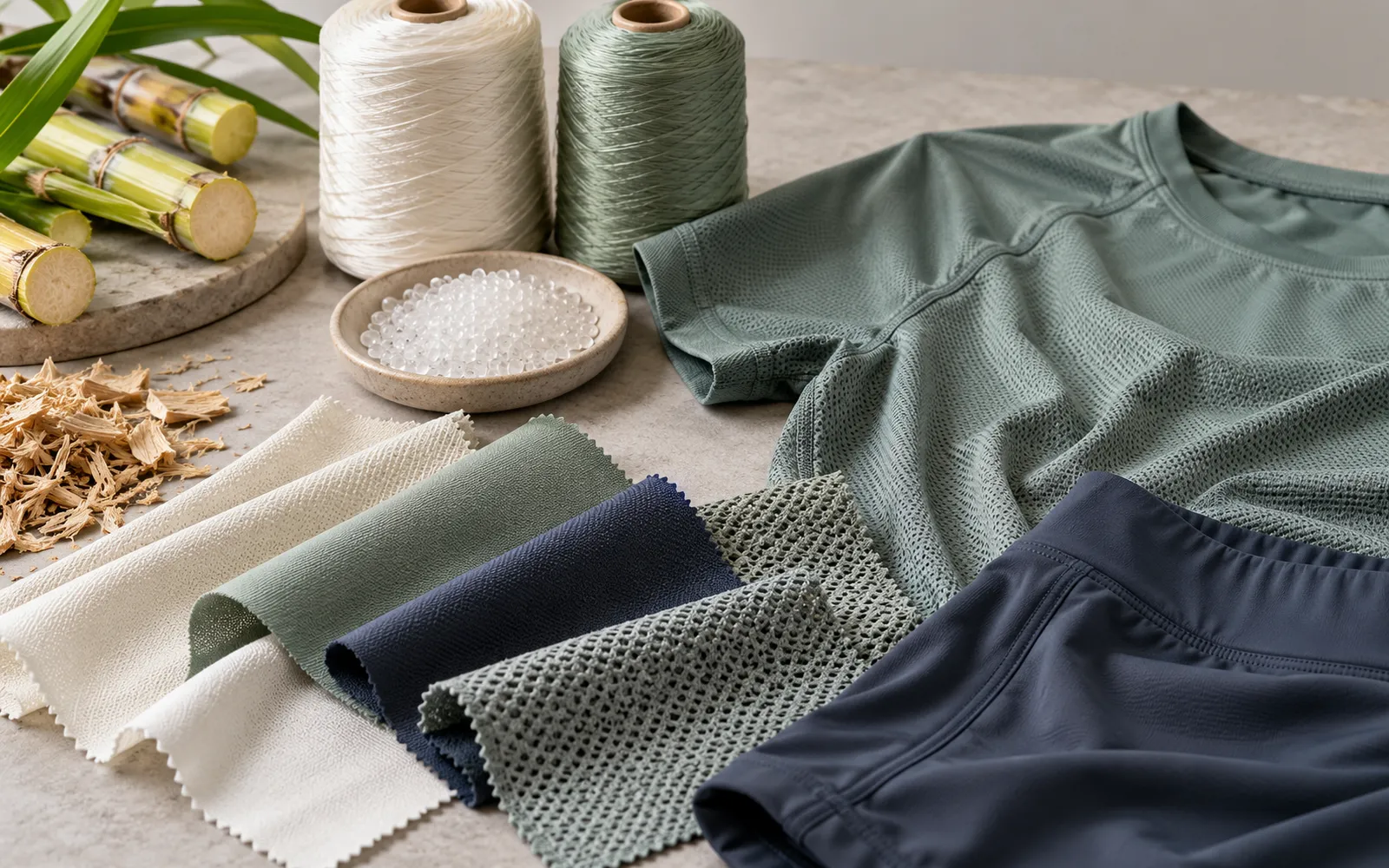
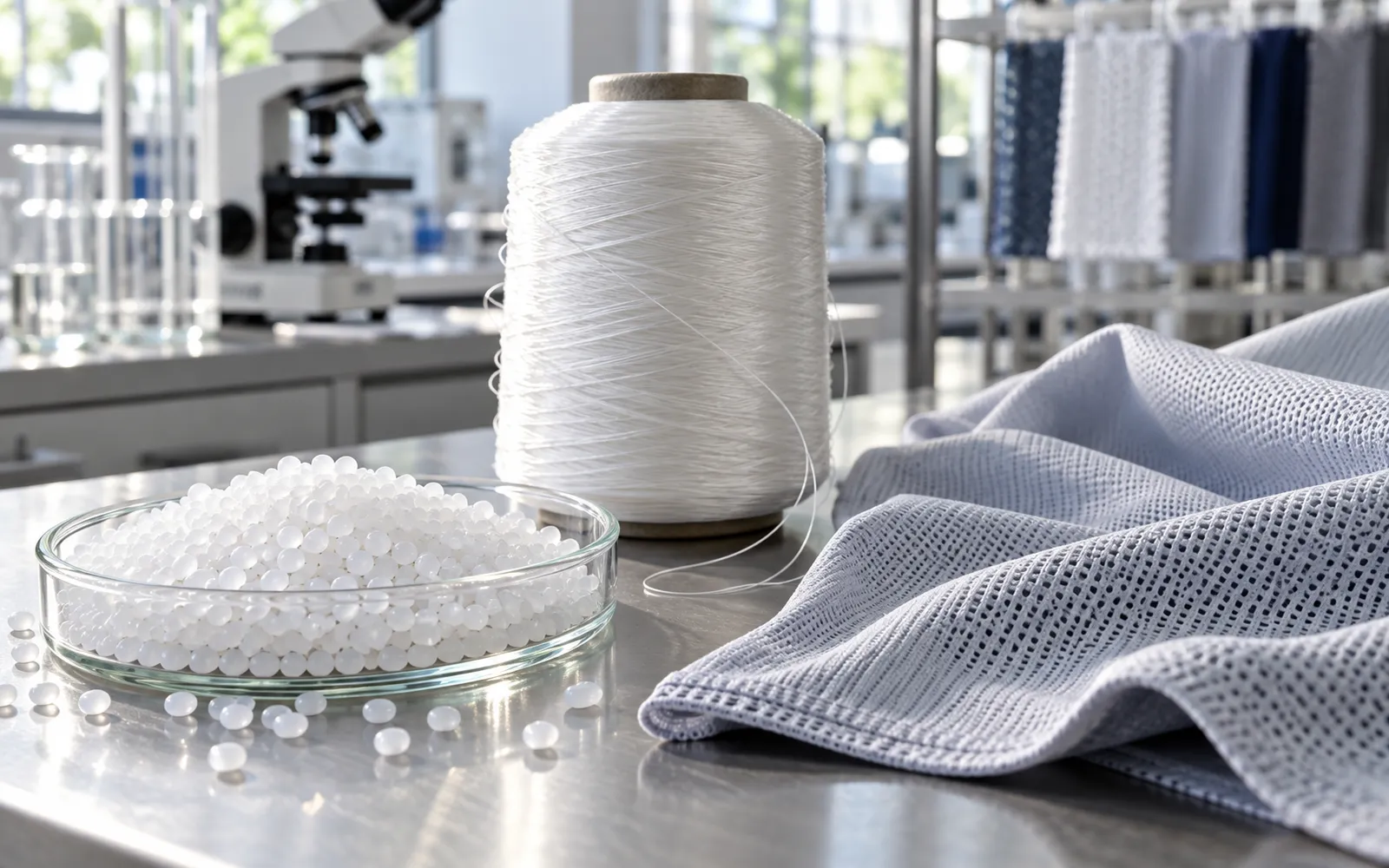
Polyester-like fibres made to be biodegradable or chemically recyclable, aimed at sportswear and functional apparel.
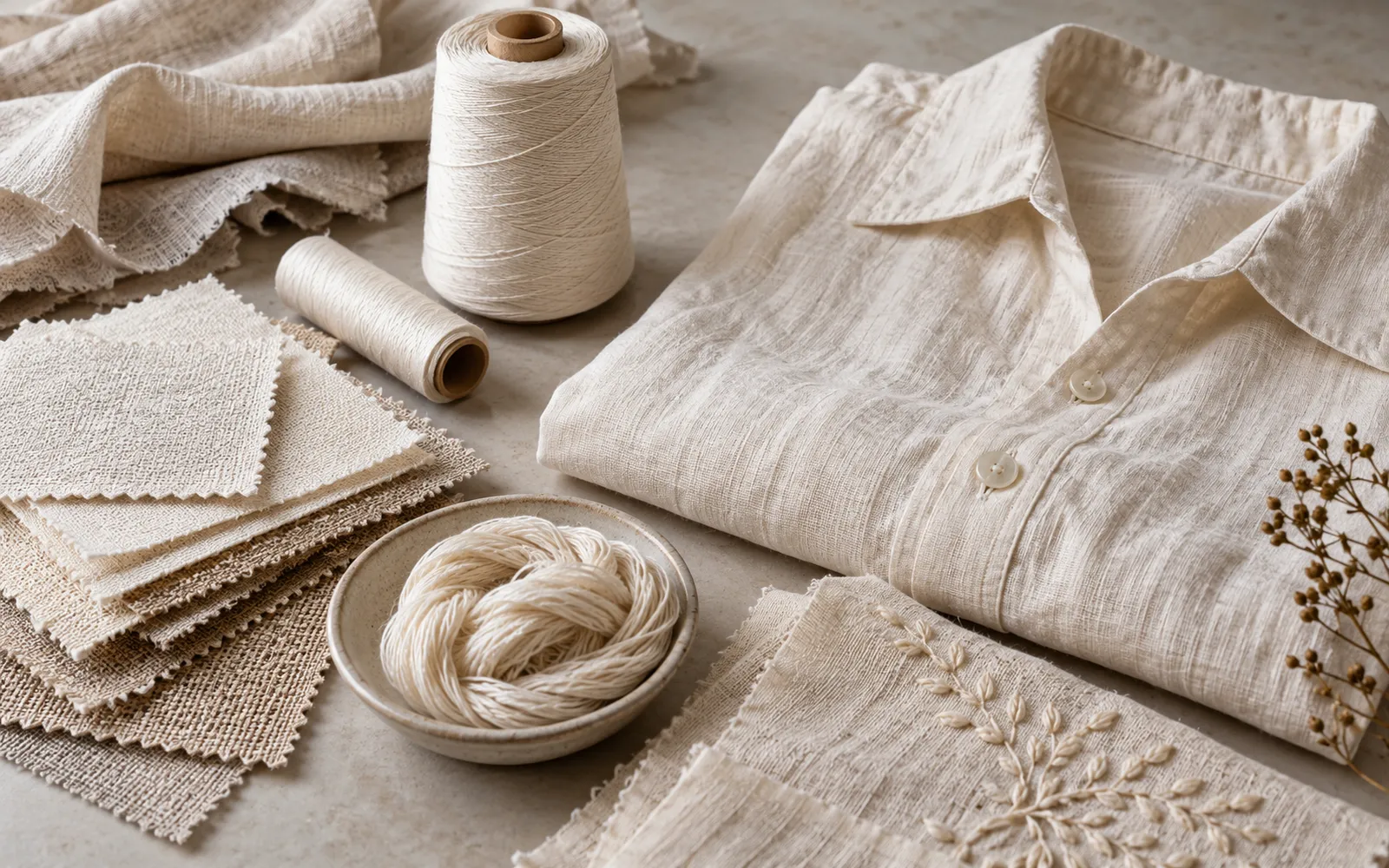
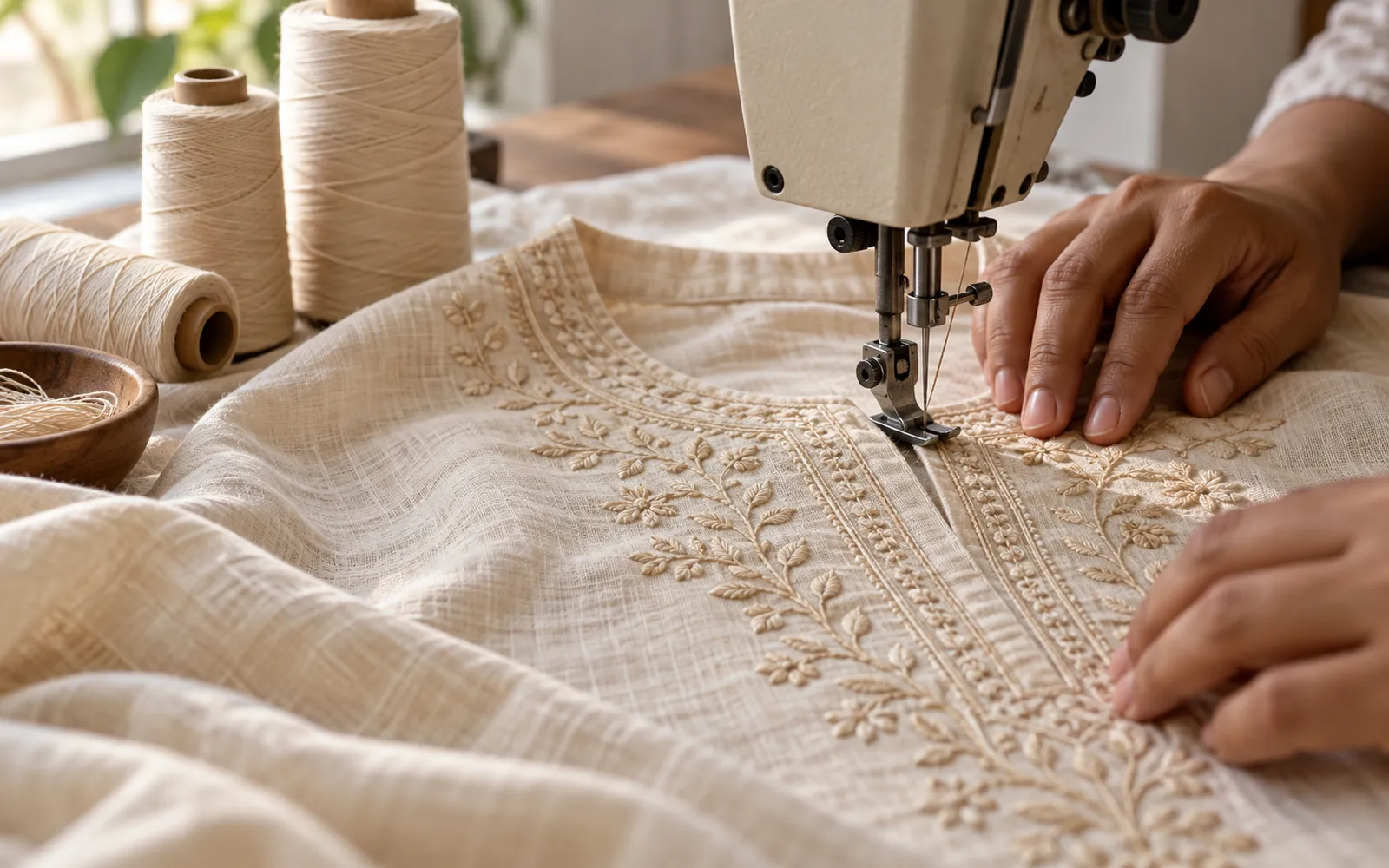
Cellulose sewing and embroidery threads that let a garment be made from one material family, making recycling easier.
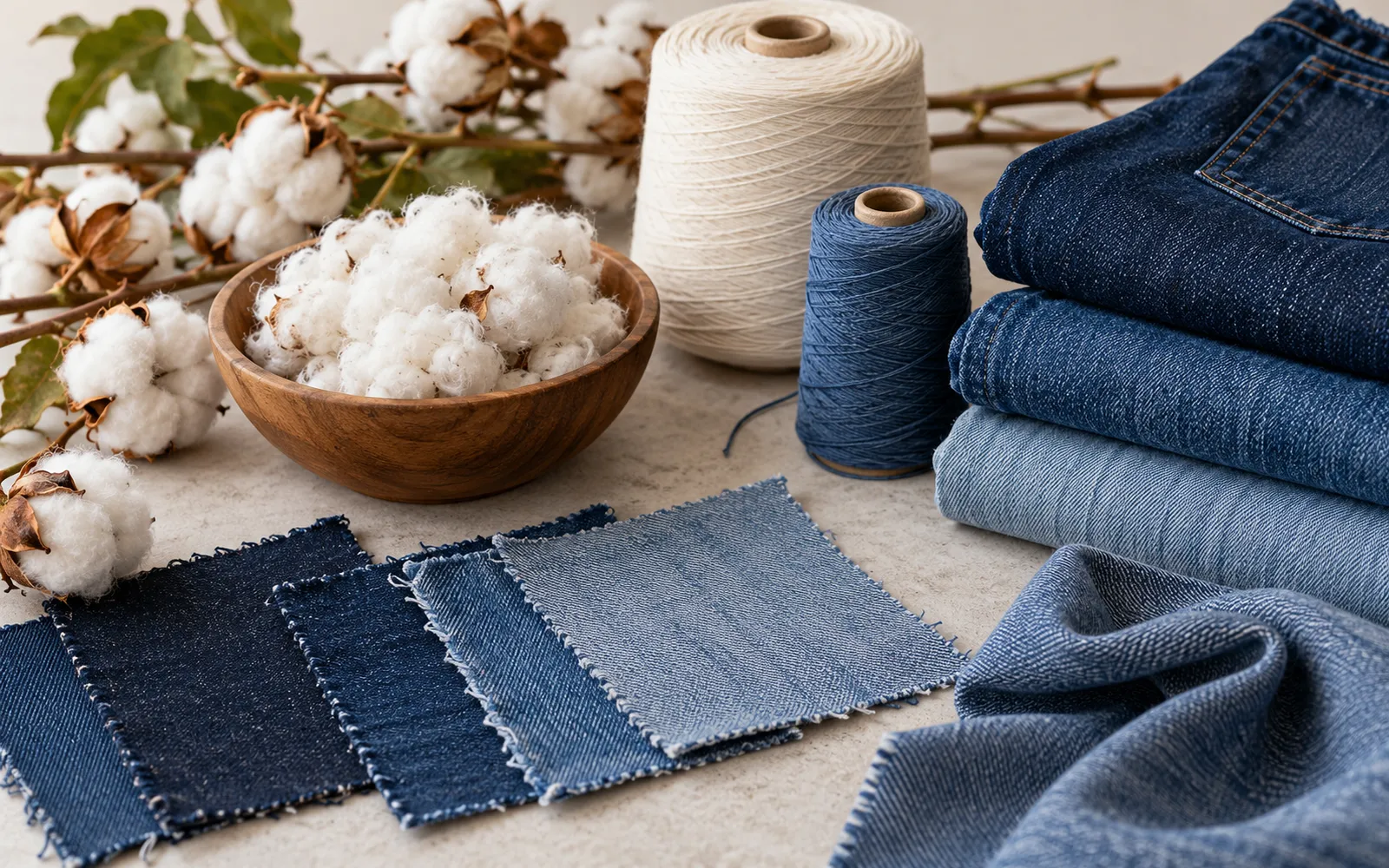
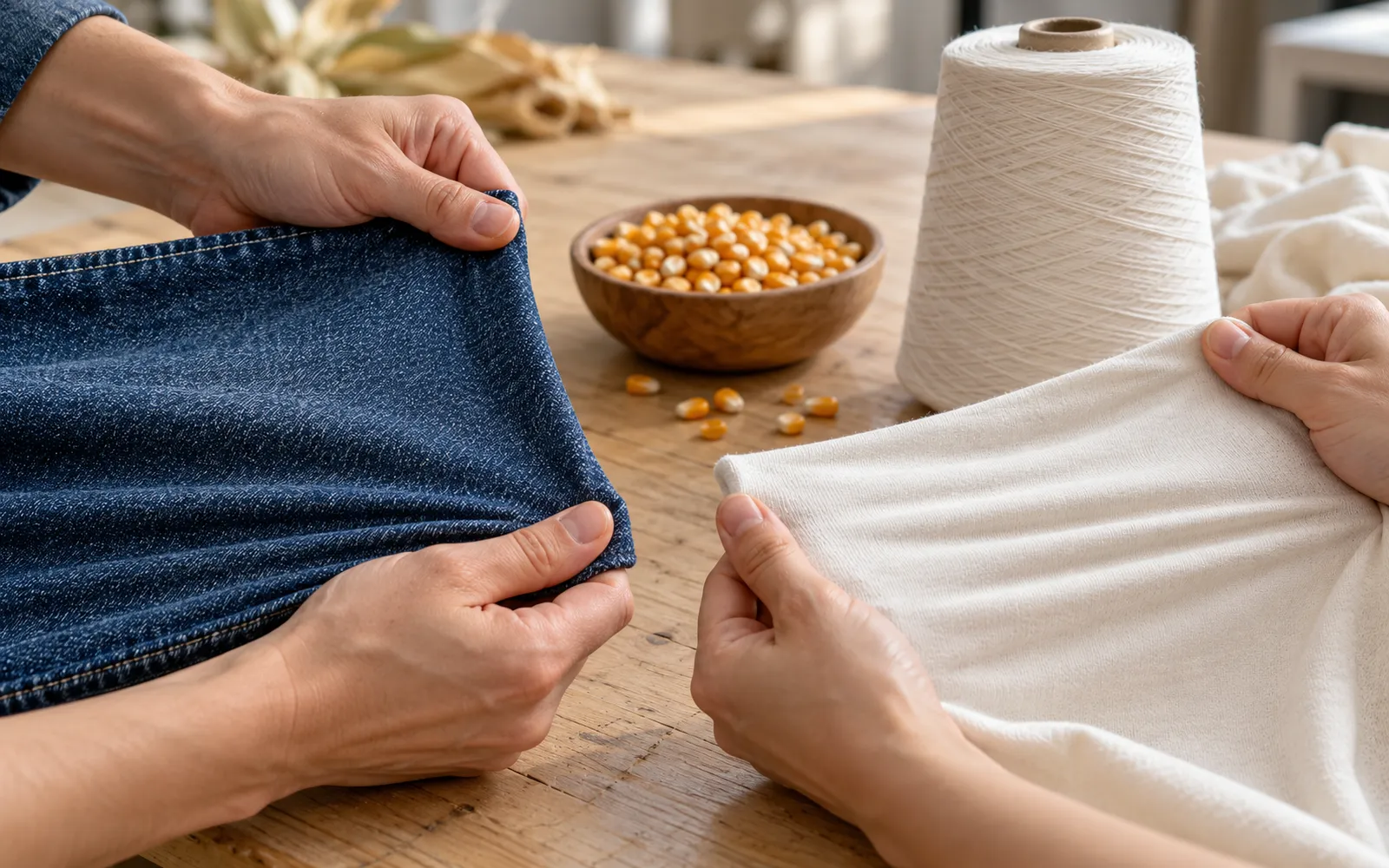
Denim from cotton grown with regenerative farming, increasingly certified and traced.
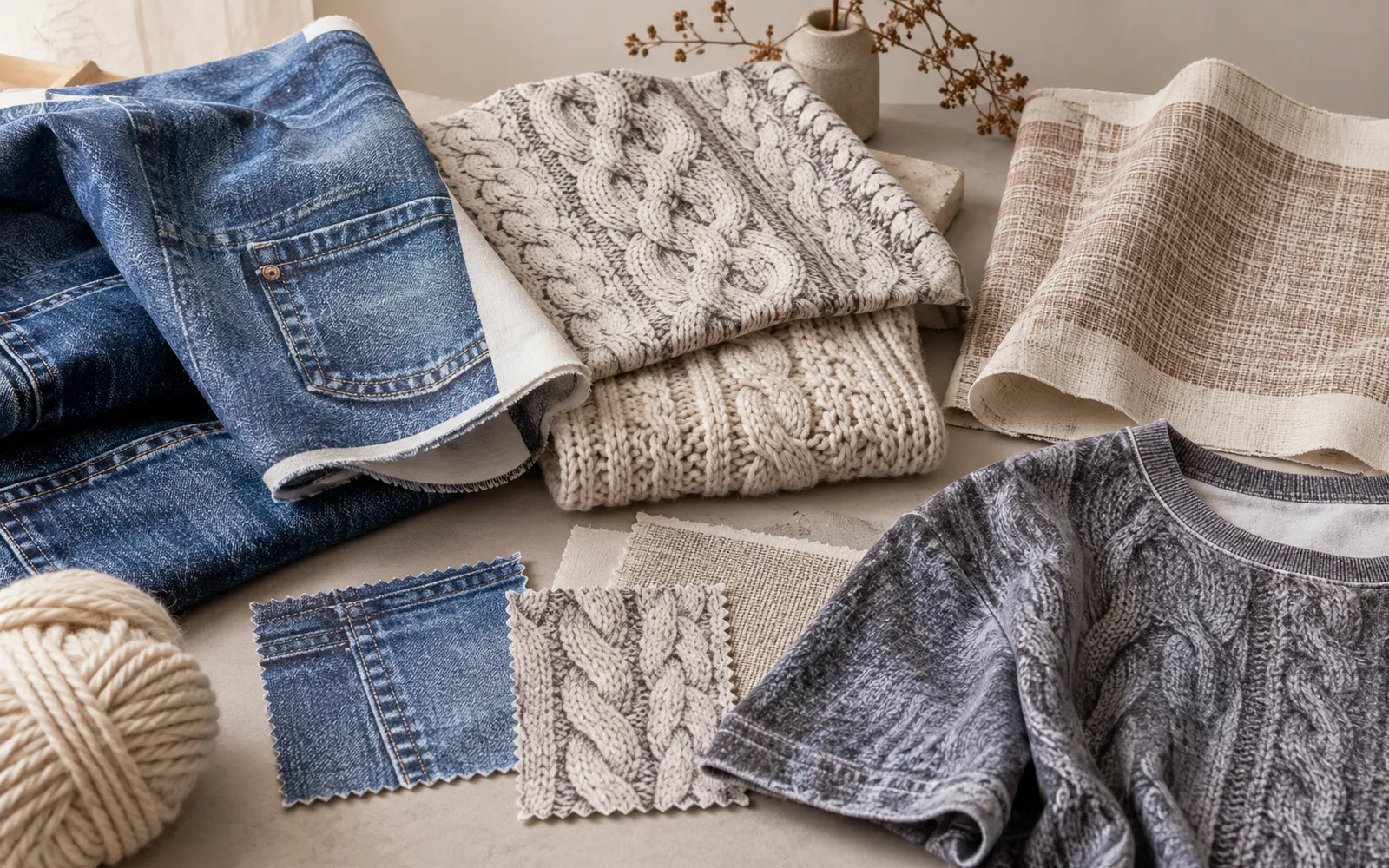
Trompe-l'oeil prints that imitate denim, knits or other textures on lighter fabrics.
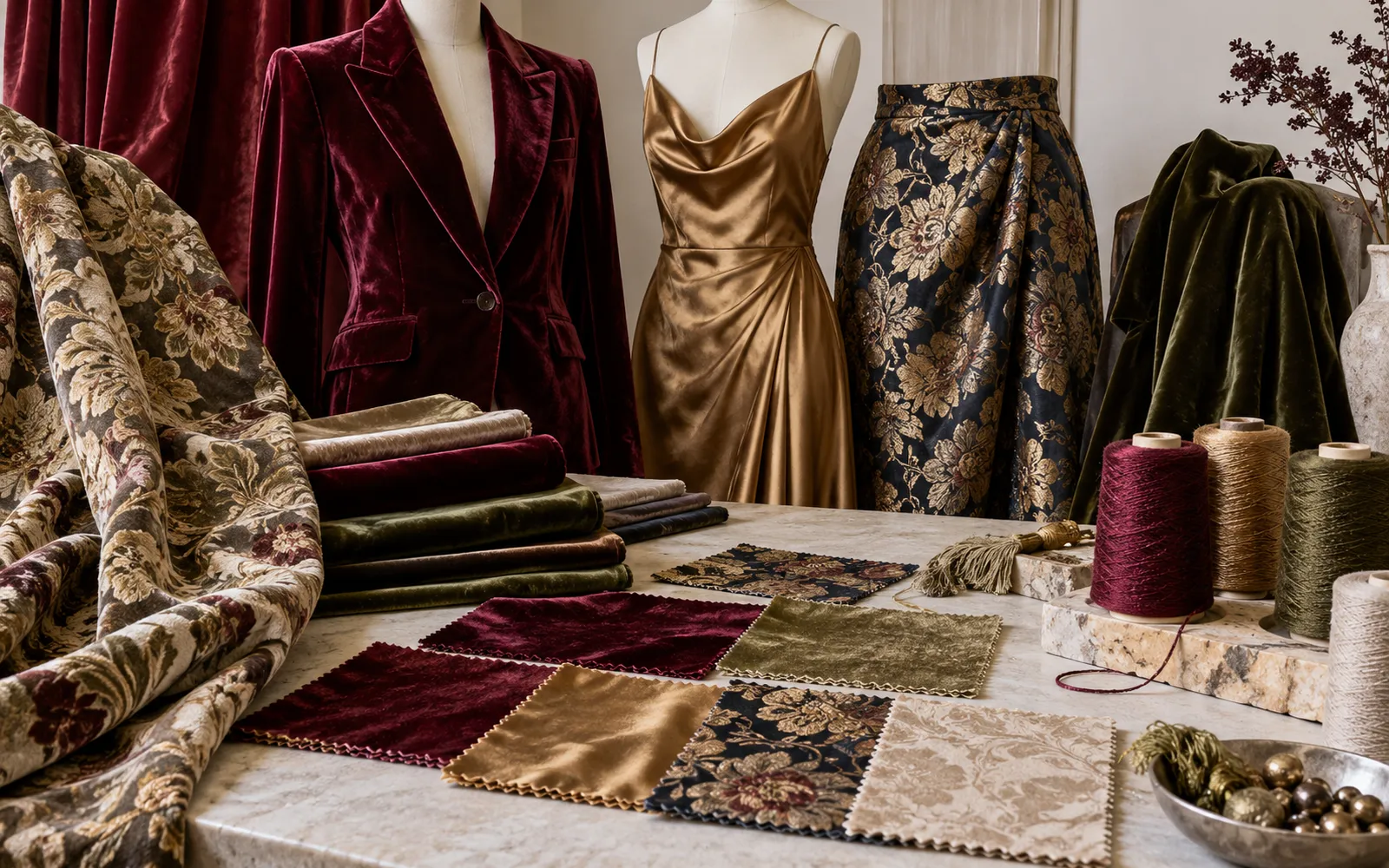
Velvets, satins and jacquards borrowed from upholstery for AW27-28 jackets, skirts and eveningwear.
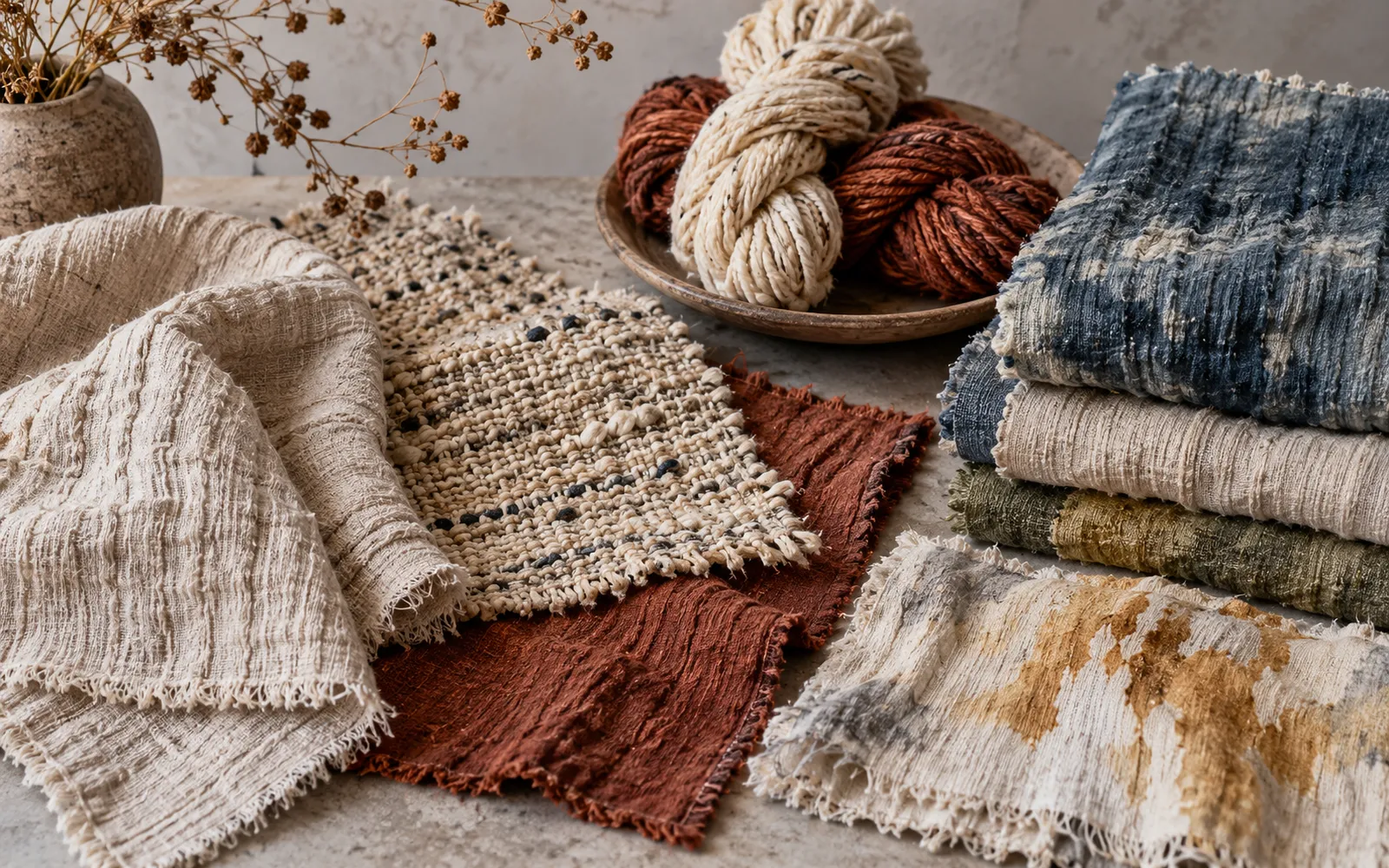
Slubs, crinkles, uneven dyes and handmade textures that look grown rather than manufactured.
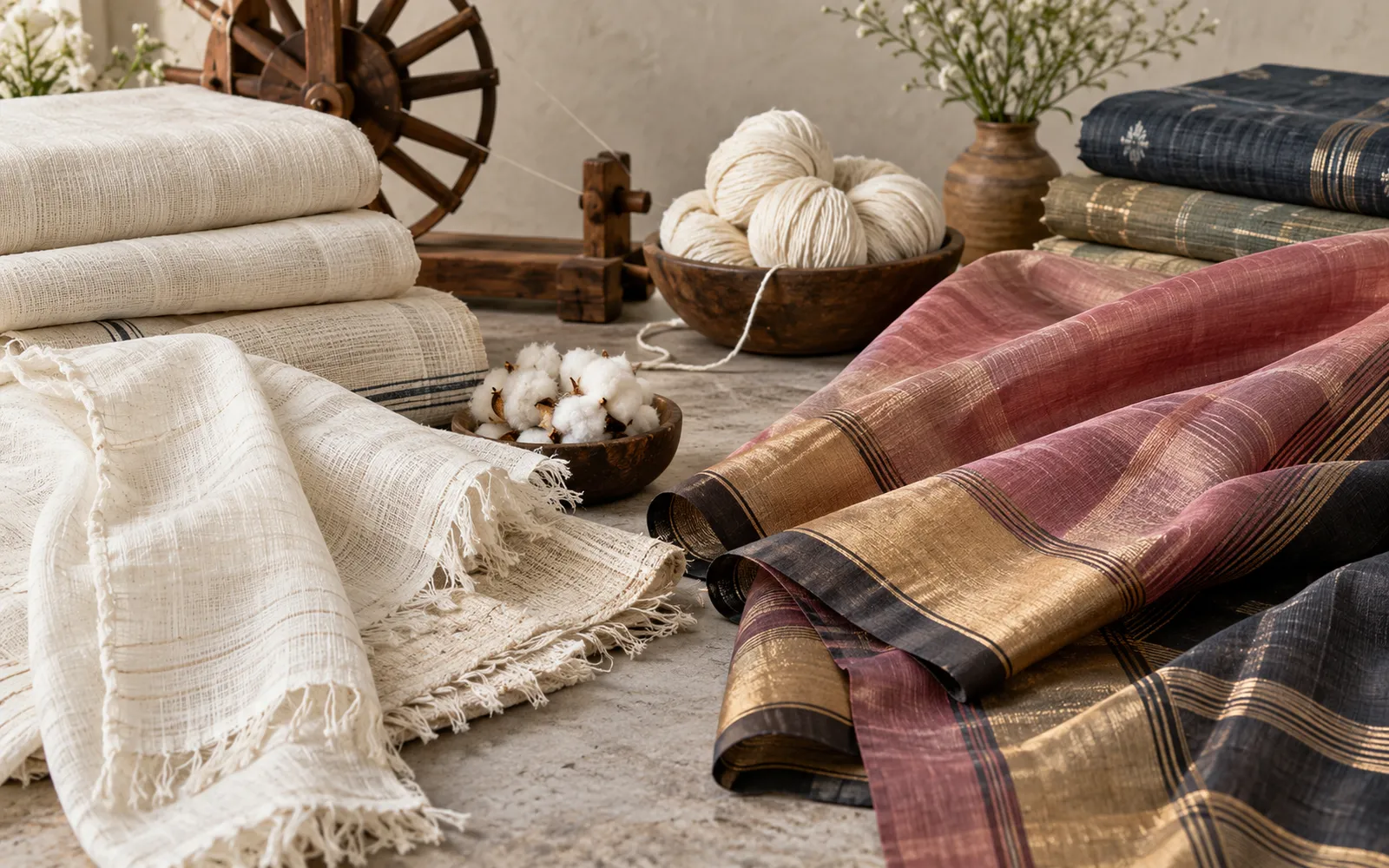
Khadi, Maheshwari and other handlooms positioned as quiet luxury, with provenance as part of the product.
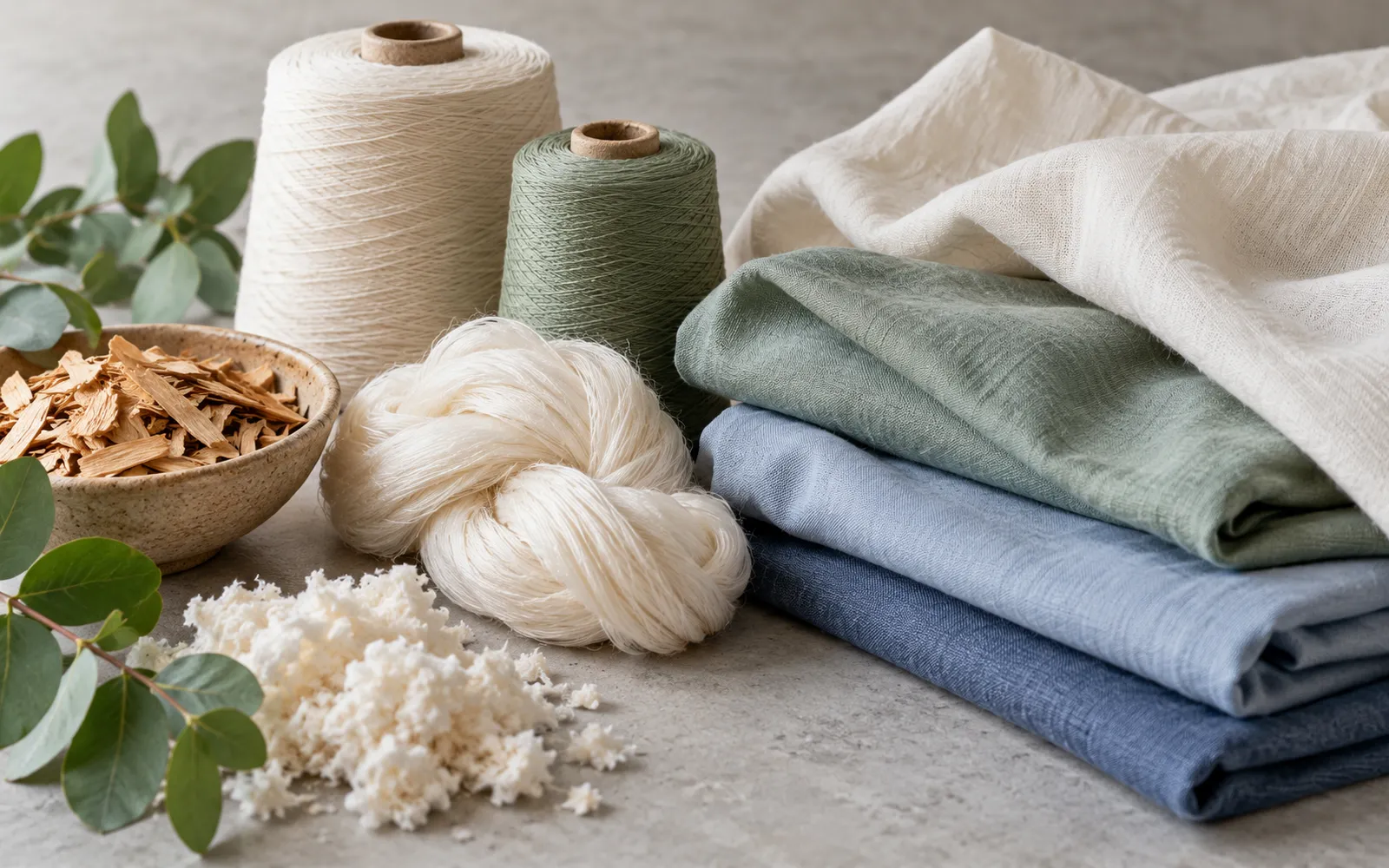
Cellulose fibres made in processes that recover most of their solvent; smooth, strong and widely available.
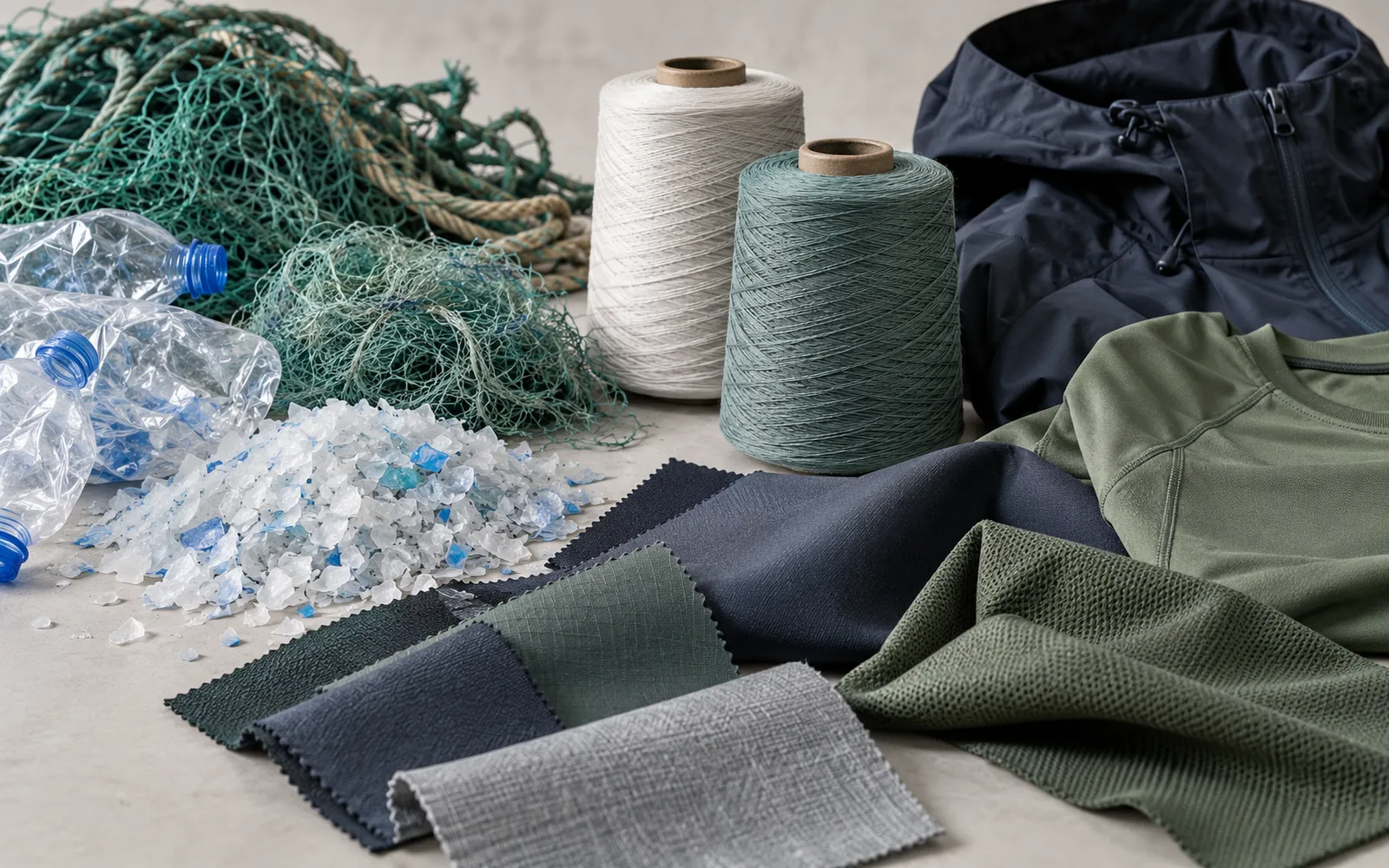
Made from post-consumer bottles, fishing nets or textile waste; now common in outerwear and activewear.
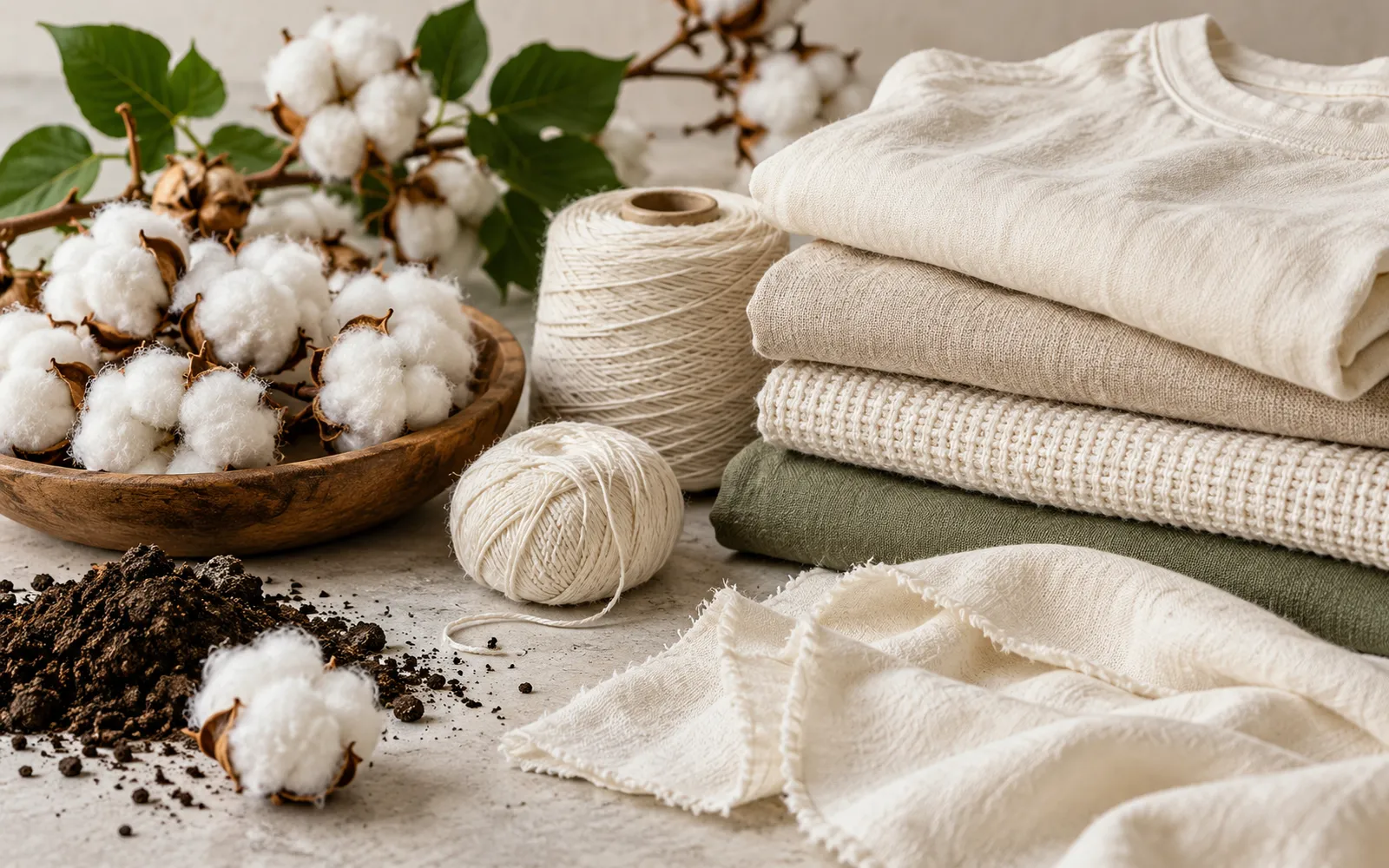
Cotton grown with lower chemical inputs or farming that rebuilds soil health; certification matters.
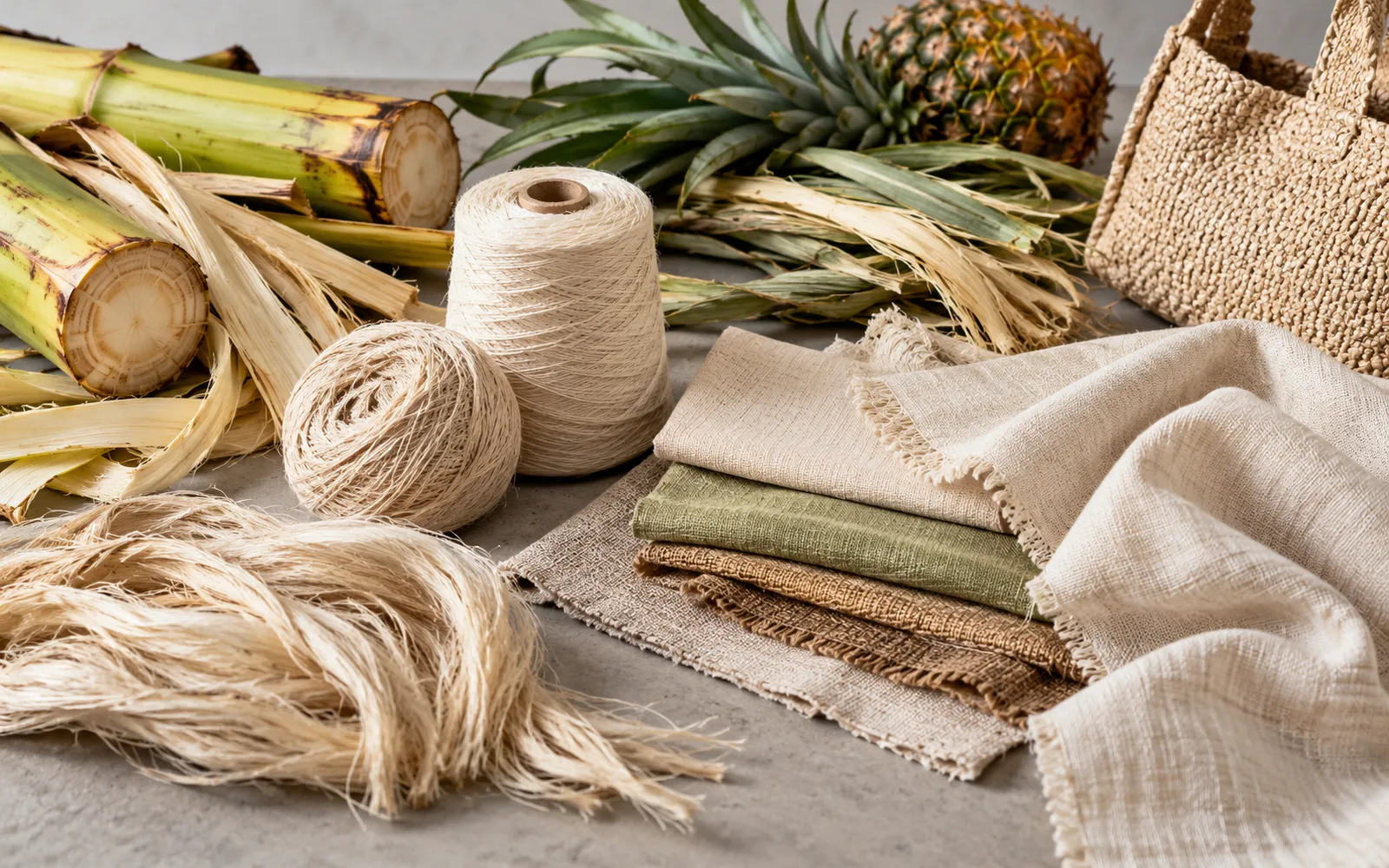
Fibres from banana stems, pineapple leaves and other crop waste, increasingly used in blends and accessories.
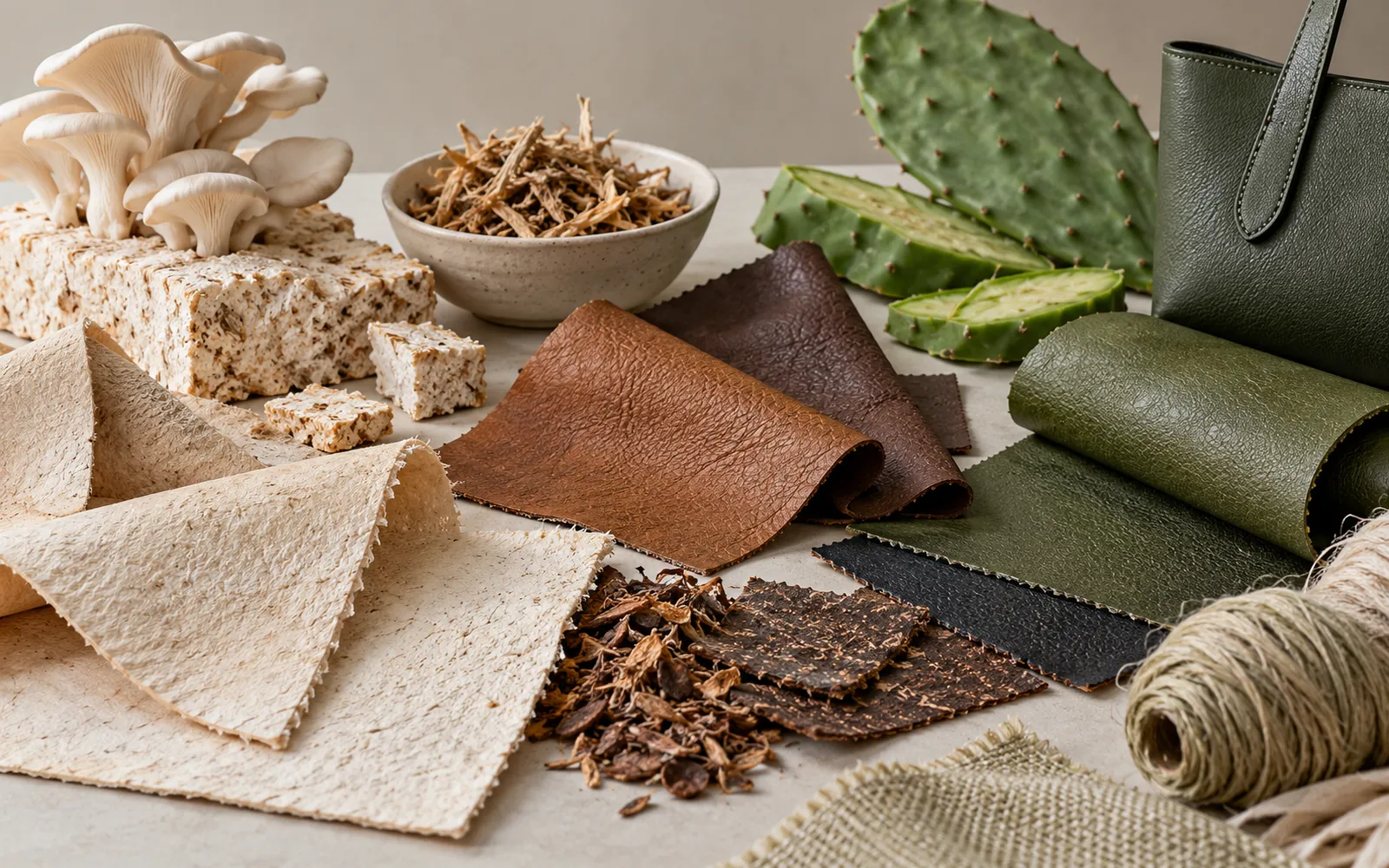
Materials made from mycelium, plant waste or cactus as alternatives to animal and PU leather; still developing in durability and scale.
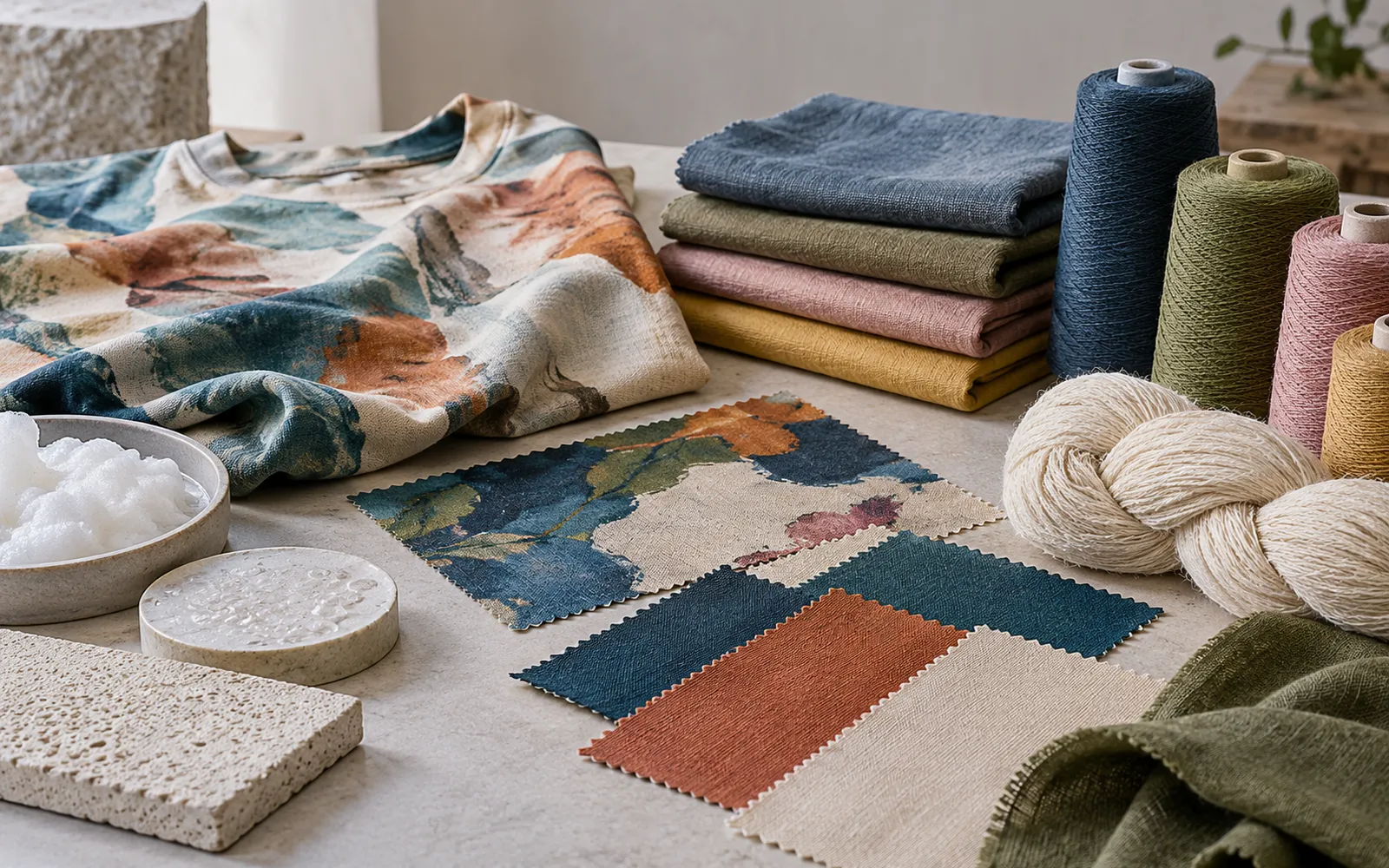
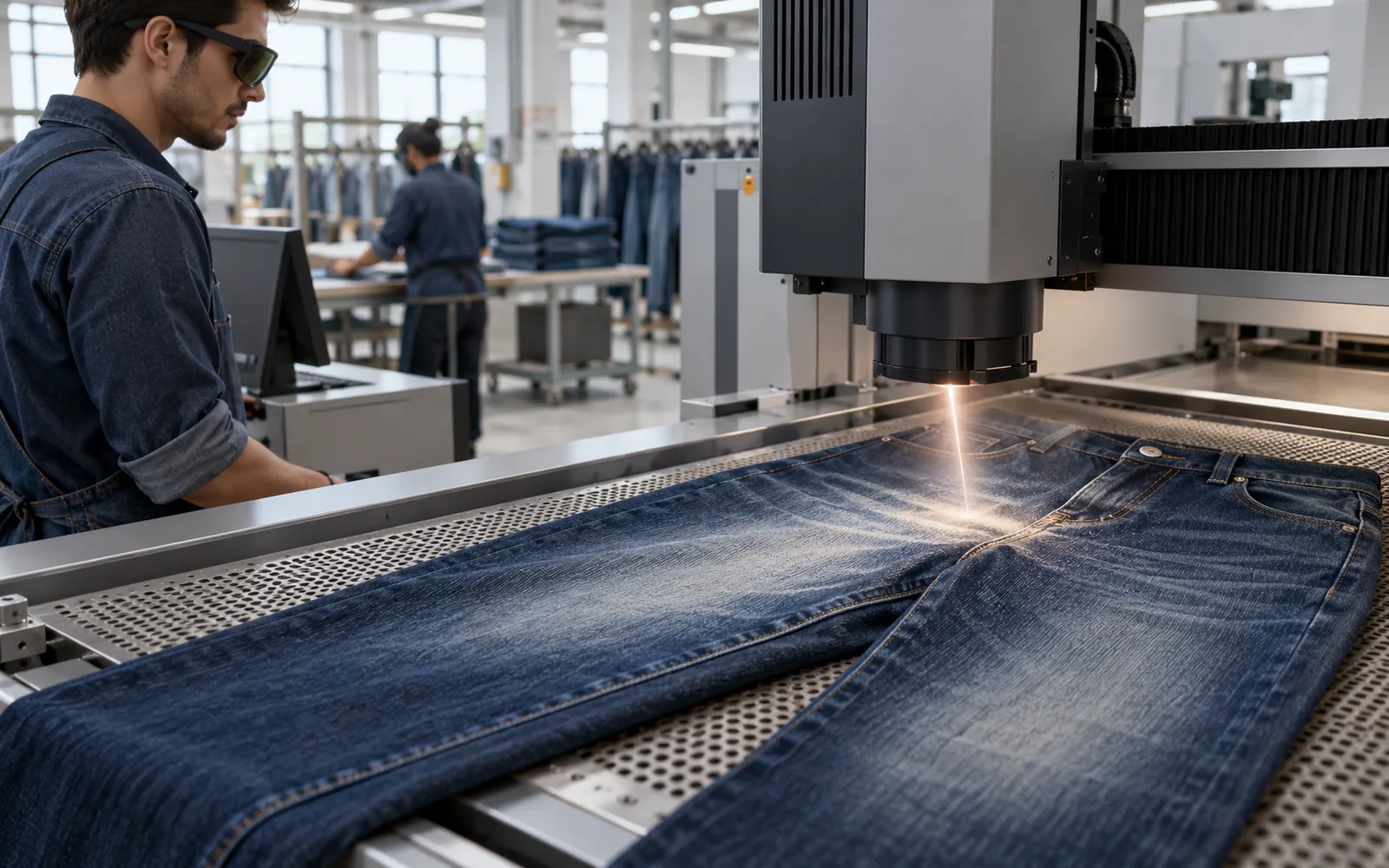
Digital printing, foam and CO₂-based dyeing aim to cut water and chemical use.
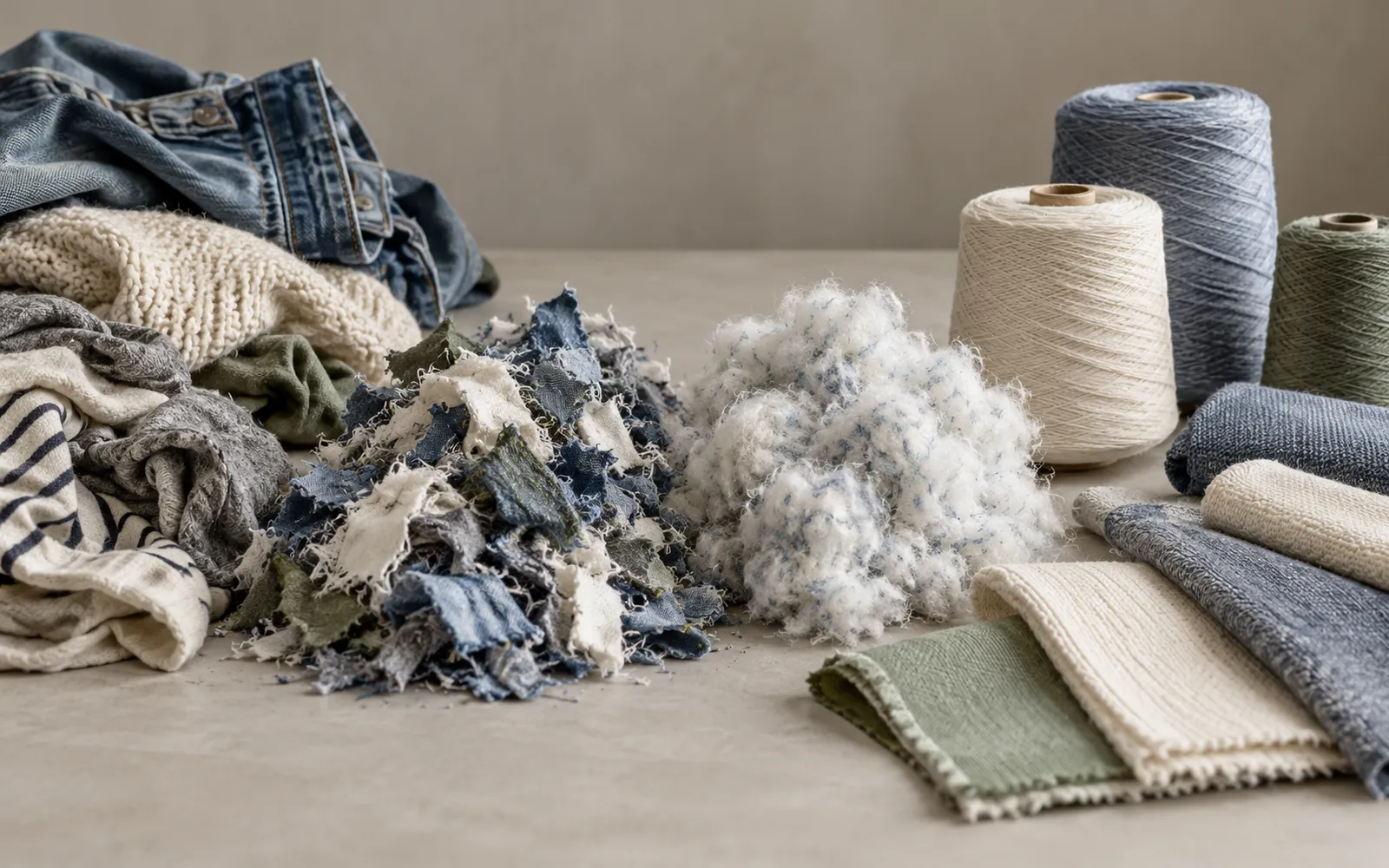
Old garments chemically or mechanically recycled into new fibre; a key focus for the next few years.
Fabric news
The latest fibre, mill and runway news, summarised by Forecut with links to the original sources.
Lakmē Fashion Week in partnership with FDCI runs 13–18 October 2026 at Taj Palace, New Delhi. On 18 October, "The Fifth Season: A Fashion Story from Ladakh" presents hand-woven Ladakhi pashmina and Himalayan wool from women-led enterprises Changra Ladakh and Charkha Ladakh.
Source: Elle India, Eastern Herald
Paris Fashion Week ended on 6 October with lightness as its common thread: ultrafine ripstop nylon at Issey Miyake, sheer organza sets at Chanel and translucent, weightless pieces across the shows.
Source: Monocle
Milan paired sheer silk, organza and tulle with latex-effect rubber, glossy nylon and PVC, and layered taffeta, crinkled nylon and intrecciato weaves.
Source: nss magazine
The autumn fair (25–27 August) showed elastane-free stretch wool, cashmere and mohair, waterless denim finishing and an India Pavilion with organic cotton, Lenzing fibres, bamboo and silk.
Source: Textile World
At Milano Unica (7–9 July, AW27-28), European mills showed fabrics made with 70% plant-based LYCRA® fibre, and the flax-linen and hemp alliance launched a Hemp Lab with a pilot long-fibre hemp collection.
Unifi launched Resist2O Pro, a fluorine-free yarn technology that builds water resistance into the fibre instead of a topical finish, and Cofira, a yarn with the look of spun yarn and the performance of filament.
Source: Innovation in Textiles
The Paris fabric fair framed the AW27-28 season around materials as living matter, with directions on time and memory and an organic, irregular "wild" materiality. Its colour story favours nuanced neutrals and cool tones.
Source: Première Vision
India marked its 12th National Handloom Day on 7 August. Official figures cited include more than 35 lakh weavers and allied workers (about 72% women), 104 GI-registered handloom products and handloom exports of about ₹1,331 crore in 2025–26.
Source: PW Only IAS
Première Vision Denim set out three directions: historical archives (velvets, satins and jacquards from upholstery), elevated core (denim codes in tailoring, trompe-l'oeil denim prints) and cultural denim (regional know-how and regenerative cotton).
Source: Première Vision
Winners included PFAS-free water-repellent finishes, bio-based printing pastes, a biodegradable and recyclable biopolyester (Mariva) and a biodegradable cellulose sewing and embroidery thread (AeoniQ Fil).
Source: Textile World
Fabric reports
Forecast reports and runway analysis from the Forecut team.
Fabric reference
Technical reference for designers and merchandisers: fabrics, weaves, knits, prints and crafts.
Fabric library32 fabrics
- Fibre
- Cotton
- Build
- Plain weave, fine
- Weight
- Light
- Handle
- Crisp, smooth
- Best for
- Shirts, blouses, summer dresses
- Care
- Machine wash; irons well
- Fibre
- Cotton
- Build
- Plain weave, open
- Weight
- Very light
- Handle
- Sheer, soft
- Best for
- Kurtas, blouses, linings
- Care
- Gentle wash
- Fibre
- Cotton
- Build
- Plain weave
- Weight
- Very light
- Handle
- Soft, airy
- Best for
- Summer kurtas, dupattas
- Care
- Gentle wash
- Fibre
- Cotton
- Build
- Plain weave with puckered stripes
- Weight
- Light
- Handle
- Textured, cool
- Best for
- Shirts, suits, summer sets
- Care
- Machine wash; no ironing needed
- Fibre
- Cotton
- Build
- 3/1 twill
- Weight
- Medium–heavy
- Handle
- Firm, durable
- Best for
- Jeans, jackets, skirts
- Care
- Wash inside out, cold
- Fibre
- Cotton
- Build
- Plain weave, coloured warp
- Weight
- Light
- Handle
- Soft, denim look
- Best for
- Shirts, dresses
- Care
- Machine wash
- Fibre
- Cotton
- Build
- Plain weave, heavy
- Weight
- Heavy
- Handle
- Stiff, strong
- Best for
- Workwear, bags, shoes
- Care
- Machine wash
- Fibre
- Flax
- Build
- Plain weave
- Weight
- Light–medium
- Handle
- Cool, crisp, creases
- Best for
- Shirts, suits, summer dresses
- Care
- Wash gently; iron damp
- Fibre
- Silk
- Build
- Plain weave, twisted yarns
- Weight
- Light
- Handle
- Fluid, matte
- Best for
- Blouses, dresses, linings
- Care
- Dry clean or hand wash
- Fibre
- Silk
- Build
- Satin weave
- Weight
- Light–medium
- Handle
- Glossy, fluid
- Best for
- Eveningwear, slips, linings
- Care
- Dry clean
- Fibre
- Silk
- Build
- Plain weave, slubby
- Weight
- Medium
- Handle
- Textured, crisp
- Best for
- Kurtas, bandhgalas, lehengas
- Care
- Dry clean
- Fibre
- Silk or polyester
- Build
- Plain weave, tightly twisted
- Weight
- Very light
- Handle
- Sheer, stiff
- Best for
- Dupattas, overlays, lehengas
- Care
- Dry clean
- Fibre
- Silk or polyester
- Build
- Plain weave, twisted yarns
- Weight
- Very light
- Handle
- Sheer, floaty
- Best for
- Sarees, dupattas, gowns
- Care
- Dry clean or gentle hand wash
- Fibre
- Silk or polyester
- Build
- Plain weave, crepe yarns
- Weight
- Light
- Handle
- Grainy, fluid
- Best for
- Sarees, anarkalis, dresses
- Care
- Dry clean or gentle hand wash
- Fibre
- Silk, viscose or polyester
- Build
- Pile weave
- Weight
- Medium–heavy
- Handle
- Soft, rich
- Best for
- Bandhgalas, lehengas, winter eveningwear
- Care
- Dry clean; never crush
- Fibre
- Silk with metallic zari
- Build
- Jacquard
- Weight
- Medium–heavy
- Handle
- Rich, raised pattern
- Best for
- Sherwanis, lehengas, blouses
- Care
- Dry clean
- Fibre
- Wool
- Build
- Steep twill
- Weight
- Medium
- Handle
- Smooth, firm
- Best for
- Suits, trousers, coats
- Care
- Dry clean
- Fibre
- Wool
- Build
- Plain weave, open
- Weight
- Light
- Handle
- Breathable, crisp
- Best for
- Summer suiting
- Care
- Dry clean
- Fibre
- Wool
- Build
- Twill or plain, flecked
- Weight
- Heavy
- Handle
- Rough, warm
- Best for
- Jackets, coats
- Care
- Dry clean
- Fibre
- Wool
- Build
- Twill, felted
- Weight
- Heavy
- Handle
- Dense, wind-resistant
- Best for
- Overcoats, peacoats
- Care
- Dry clean
- Fibre
- Goat hair
- Build
- Knit or woven
- Weight
- Light–medium
- Handle
- Very soft, warm
- Best for
- Knitwear, coats, shawls
- Care
- Hand wash cold or dry clean
- Fibre
- Wood pulp cellulose
- Build
- Woven or knit
- Weight
- Light
- Handle
- Fluid, cool
- Best for
- Dresses, kurtas, shirts
- Care
- Gentle wash; may shrink
- Fibre
- Beech-wood cellulose
- Build
- Usually knit
- Weight
- Light
- Handle
- Very soft, drapey
- Best for
- T-shirts, loungewear
- Care
- Machine wash cool
- Fibre
- Wood pulp, closed-loop process
- Build
- Woven or knit
- Weight
- Light–medium
- Handle
- Smooth, fluid
- Best for
- Shirts, denim blends, dresses
- Care
- Machine wash cool
- Fibre
- Polyester
- Build
- Woven or knit
- Weight
- All weights
- Handle
- Varies; durable
- Best for
- Blends, sportswear, linings
- Care
- Machine wash; low iron
- Fibre
- Polyamide
- Build
- Woven or knit
- Weight
- Light
- Handle
- Smooth, strong
- Best for
- Outerwear shells, activewear
- Care
- Machine wash
- Fibre
- Elastane with cotton or nylon
- Build
- Knit or woven
- Weight
- Light–medium
- Handle
- Stretchy
- Best for
- Denim, activewear, fitted styles
- Care
- Avoid high heat
- Fibre
- Cotton
- Build
- Single jersey
- Weight
- Light
- Handle
- Soft, stretchy
- Best for
- T-shirts, dresses
- Care
- Machine wash
- Fibre
- Cotton or blends
- Build
- Looped back jersey
- Weight
- Medium
- Handle
- Soft, warm
- Best for
- Sweatshirts, joggers
- Care
- Machine wash
- Fibre
- Cotton
- Build
- Textured knit
- Weight
- Medium
- Handle
- Textured, breathable
- Best for
- Polo shirts
- Care
- Machine wash
- Fibre
- Polyester / elastane
- Build
- Double knit, bonded
- Weight
- Medium–heavy
- Handle
- Spongy, structured
- Best for
- Sculpted dresses, skirts
- Care
- Gentle wash
- Fibre
- Polyurethane on backing
- Build
- Coated
- Weight
- Medium
- Handle
- Smooth, leather-like
- Best for
- Jackets, skirts, bags
- Care
- Wipe clean
Weave techniques8 weaves
One over, one under: the simplest and strongest structure. Poplin, voile, khadi, organza and linen.
Yarns step over two or more, creating diagonal lines. Durable and drapey: denim, gabardine, drill.
Long floats on the surface for a smooth, lustrous face. Satin, sateen and duchesse.
Two or more yarns woven together as one, a chunky, textured plain weave. Oxford cloth, hopsack.
Small geometric patterns woven in: dots, diamonds and textured stripes.
Large, complex woven motifs controlled thread by thread. Brocades, damasks and Banarasi silks.
Warp yarns twist around the weft for an open, stable mesh. Light summer fabrics and gauze.
Extra yarns form loops or cut tufts on the surface. Velvet, corduroy and terry.
Knit structures12 knits
Smooth face, loops on the back; light and stretchy. T-shirts.
Alternating knit and purl columns; very elastic. Cuffs, neckbands, fitted tops.
Double-knit, smooth on both sides, stable. Premium tees and babywear.
Textured honeycomb surface. Polo shirts.
Grid of raised squares that trap air. Henleys, layering.
Stitches crossed over each other to form ropes. Fisherman and cricket sweaters.
Small eyelets arranged in patterns. Light summer knits.
Large open stitches for breathable, lacy knits. Summer cover-ups.
Blocks of colour knitted in without floats. Logos, graphic motifs.
Multi-colour patterns with floats or backing. Winter knits.
Machine knits made lengthwise; run-resistant. Linings, lace, activewear.
Panels knitted to shape instead of cut, with fashion marks at the seams. Fine-gauge knitwear.
Prints & printing techniques10 techniques
Carved wooden blocks stamped by hand: Bagru, Sanganeri and Ajrakh are famous Indian traditions.
A mud-paste resist applied before dyeing, giving soft cracked outlines; from Rajasthan.
Pen-drawn or block-printed designs coloured with natural dyes; from Andhra Pradesh.
Wax resist applied by hand or block before dyeing, with characteristic crackle lines.
Fabric folded, stitched, bound or clamped before dyeing; bandhani is India's fine tie-dye.
Ink pushed through screens for crisp repeats; the workhorse of mass printing.
Designs printed directly from a file, allowing photographic detail, short runs and less water.
Colour removed from dyed fabric to create lighter patterns with a soft handle.
Metallic foils or pigments bonded to fabric for festive shine.
Chemicals dissolve one fibre in a blend, leaving sheer patterns against velvet or satin.
Embroidery fabrics9 bases
Light, open and transparent. Ideal for scattered sequins, appliqué and floating 3D flowers.
Crisp and sheer. Holds structured embroidery, cut-work and petals beautifully.
Fluid and light. Best for lighter thread work and scattered embellishment.
Firm and slubby. Carries heavy zardozi and dense thread work without puckering.
Rich pile that makes metallic embroidery glow; needs careful handling.
Light silk-cotton with sheen. Good for gota, zari borders and light resham.
Soft and fine. The traditional base for chikankari and shadow work.
Matte and drapey. Suits sequin and bead work on gowns and sarees.
Textured, natural bases for kantha, Kutch work and contemporary thread embroidery.
Hand work & embroideries15 crafts
Lucknow
White-on-white shadow and knot work on fine cotton.
Lucknow, Agra, Delhi
Raised metal-thread embroidery for bridal and couture.
Bengal, Odisha
Running-stitch quilting and embroidery.
Punjab
Darning-stitch floss silk embroidery that can cover the cloth.
Karnataka
Counted-thread geometric embroidery, identical on both sides.
Gujarat
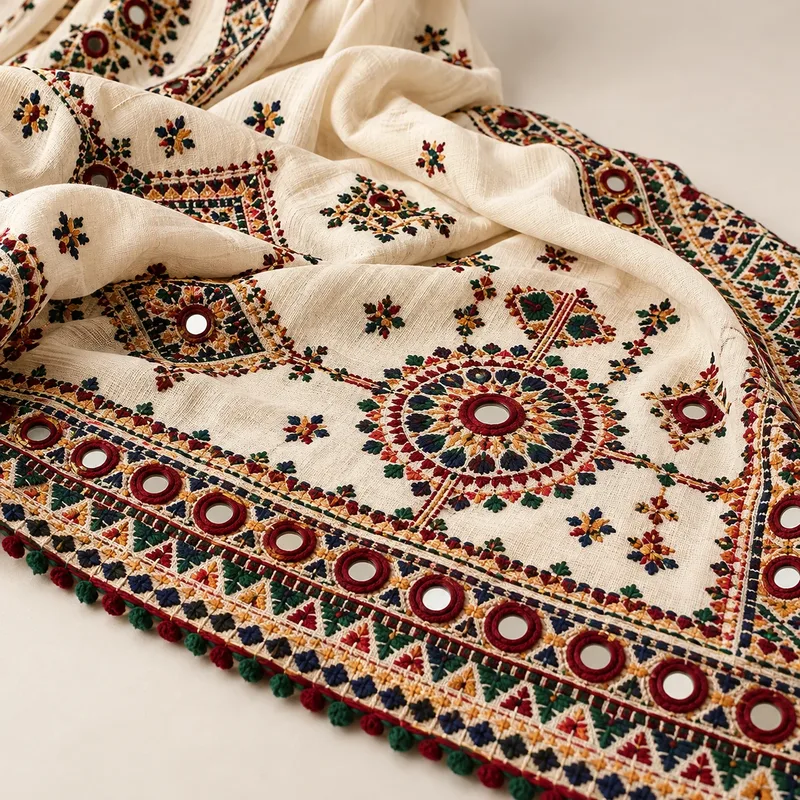
Interlaced stitches and mirror work in bright colours.
Kashmir, Gujarat and widely
Fine chain stitch made with a hooked needle.
Kashmir
Fine needle embroidery on shawls; crewel in wool on cotton.
Rajasthan
Appliquéd gold and silver ribbon motifs.
Odisha
Brightly coloured cut fabric appliqué.
Karnataka, Telangana
Mirror, coin and pattern-darning embroidery.
Nilgiris
Red and black darning embroidery on white cotton.
Japan
Running-stitch reinforcement embroidery, now a global visible-mending style.
Europe
White cut-work eyelet embroidery on cotton.
Europe
Gathered fabric held in decorative stitches, popular on summer dresses.
Indian handlooms & textile crafts13 crafts
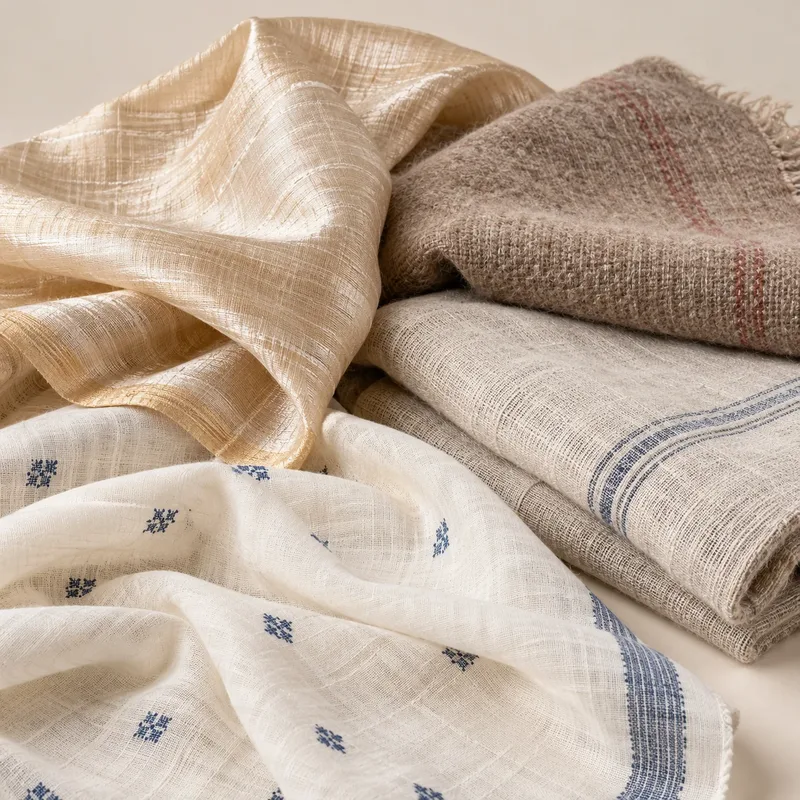
Hand-spun, hand-woven cotton, silk or wool. Breathable with a gentle slub.
Light, sheer silk-cotton from Madhya Pradesh with zari motifs.
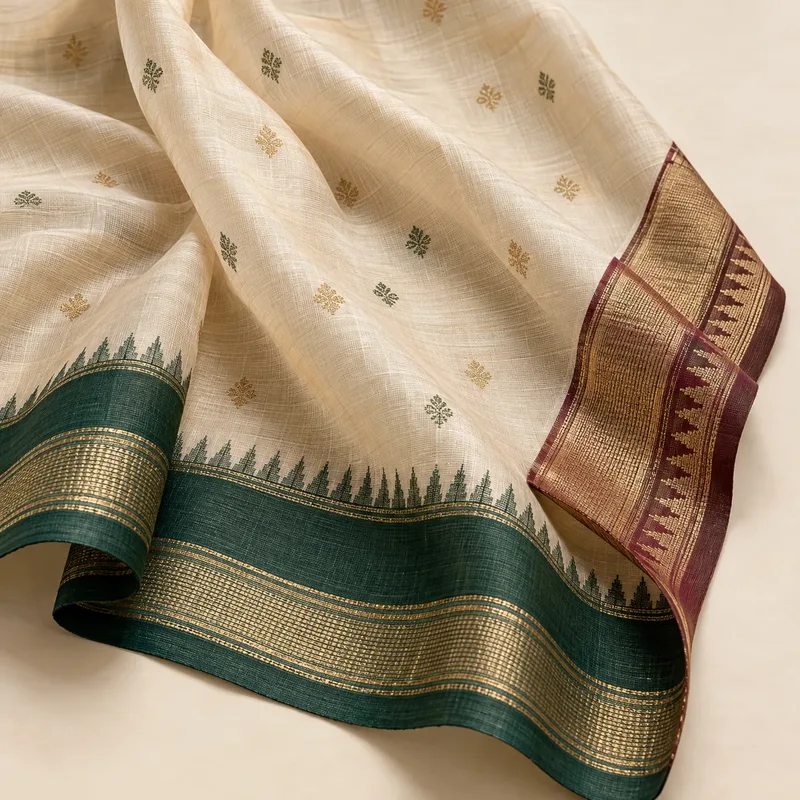
Silk-cotton from Maheshwar with reversible borders and stripes.
Varanasi silk brocades with rich zari jacquard motifs.
Heavy mulberry silk from Tamil Nadu with contrast borders.
Fine muslin from Bengal with motifs inlaid by hand on the loom.
Maharashtrian silk with tapestry-woven peacock and lotus borders.
Double ikat silk from Patan, Gujarat: warp and weft both resist-dyed.
Telangana ikat with sharp geometric patterns.
Rajasthani cotton-silk with a fine checked grid.
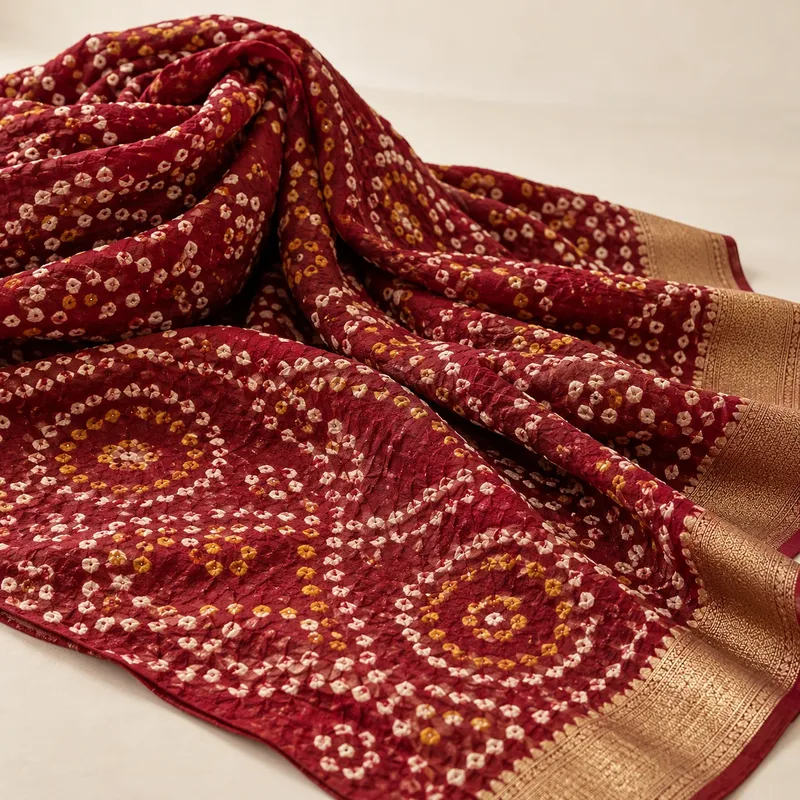
Tie-dye from Gujarat and Rajasthan: tiny resist-tied dots.
Block-printed, resist-dyed cotton from Kutch and Sindh in indigo and madder.
Hand-painted or block-printed cotton from Andhra Pradesh using natural dyes.
Designer guides