A designer's guide to printing techniques
Block, dabu, kalamkari, batik, shibori, screen, digital, discharge and devoré: how each print is made and when to use it.
The printing method changes how a design looks, feels, costs and scales. Choosing the right one is as important as the artwork.
Hand techniques
Hand block printing (Bagru, Sanganeri, Ajrakh), dabu mud resist and kalamkari give the slight irregularity customers value as handmade. They suit premium, smaller runs and need longer lead times.
Resist dyeing
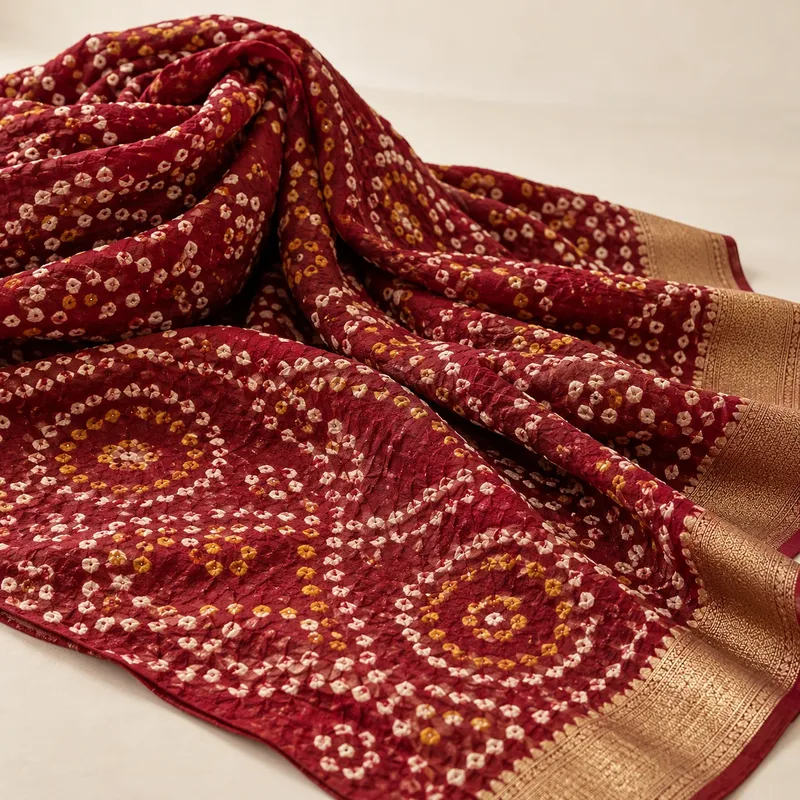
Batik uses wax, while shibori and bandhani use folding and tying. Each creates soft, organic patterns that can't be exactly repeated.
Industrial printing
Screen and rotary printing are efficient for large runs. Digital printing allows photographic detail and short runs with less water, and is ideal for testing new designs.
Special effects
Discharge printing gives soft light-on-dark designs, foil adds festive shine, and devoré burns out patterns in velvet and satin.