India Couture Week 2026: the trends to know
Headpieces, sculptural corsets, jewelled garments and the return of bridal red: Forecut's summary of India Couture Week 2026.
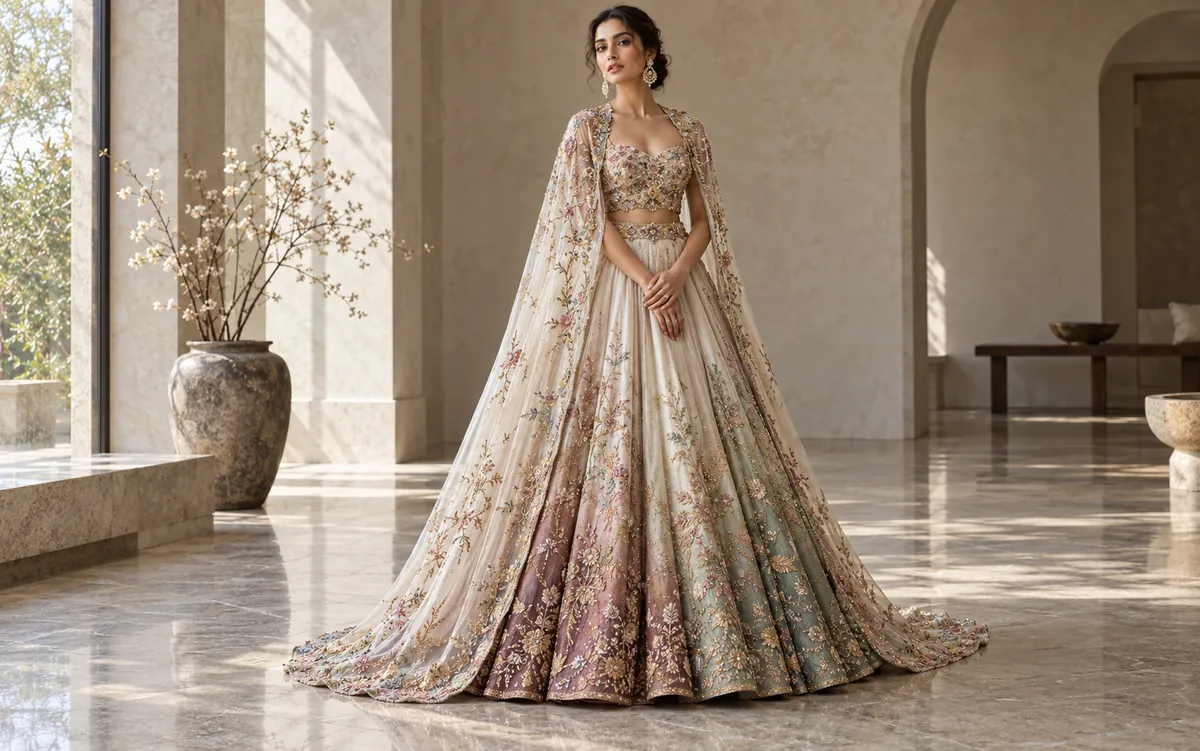
India Couture Week 2026 ran from 23 to 29 July, organised by FDCI, with the opening show held at the Taj Falaknuma Palace in Hyderabad. These were the trends that defined it, summarised from published coverage.
The key trends
- Ceremonial headpieces as the season's statement accessory.
- Sculptural corsets giving lehengas and gowns a strong line.
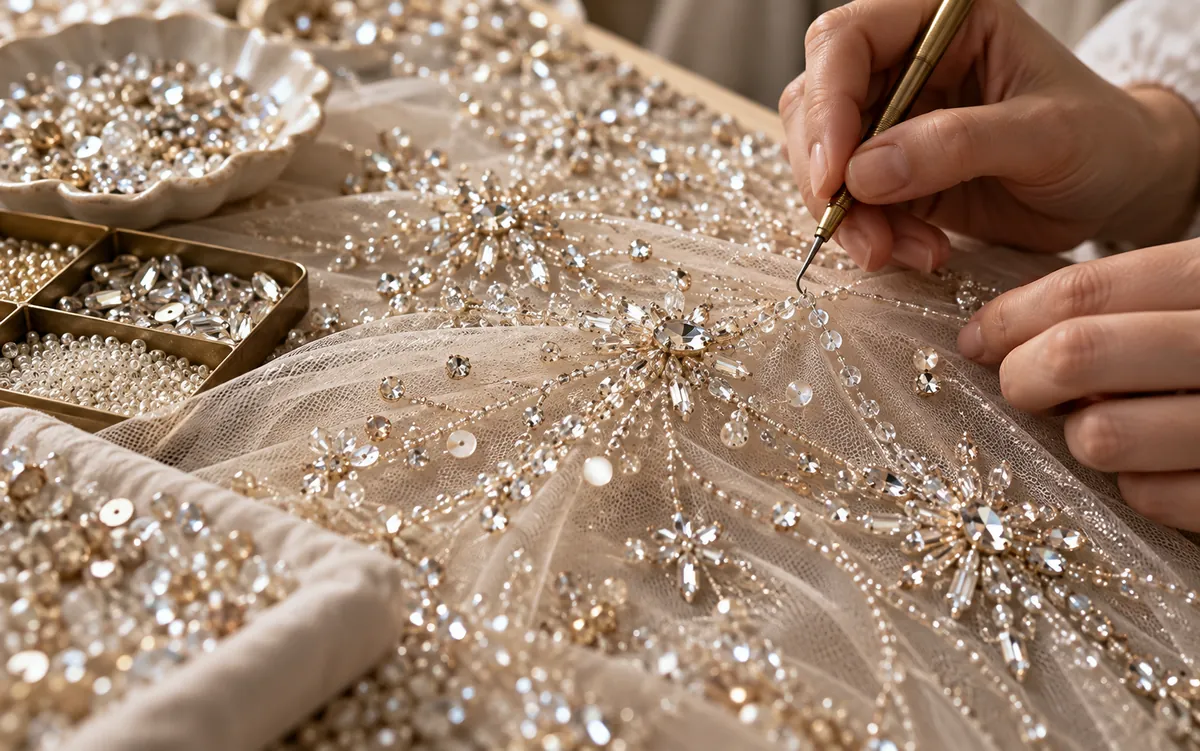
- Jewellery built into garments rather than worn separately.
- Bridal reds returning alongside blush and ivory.
- Sculptural veils used as design elements.
- Artisan credit: several collections put their craftspeople at the centre.
Collections noted
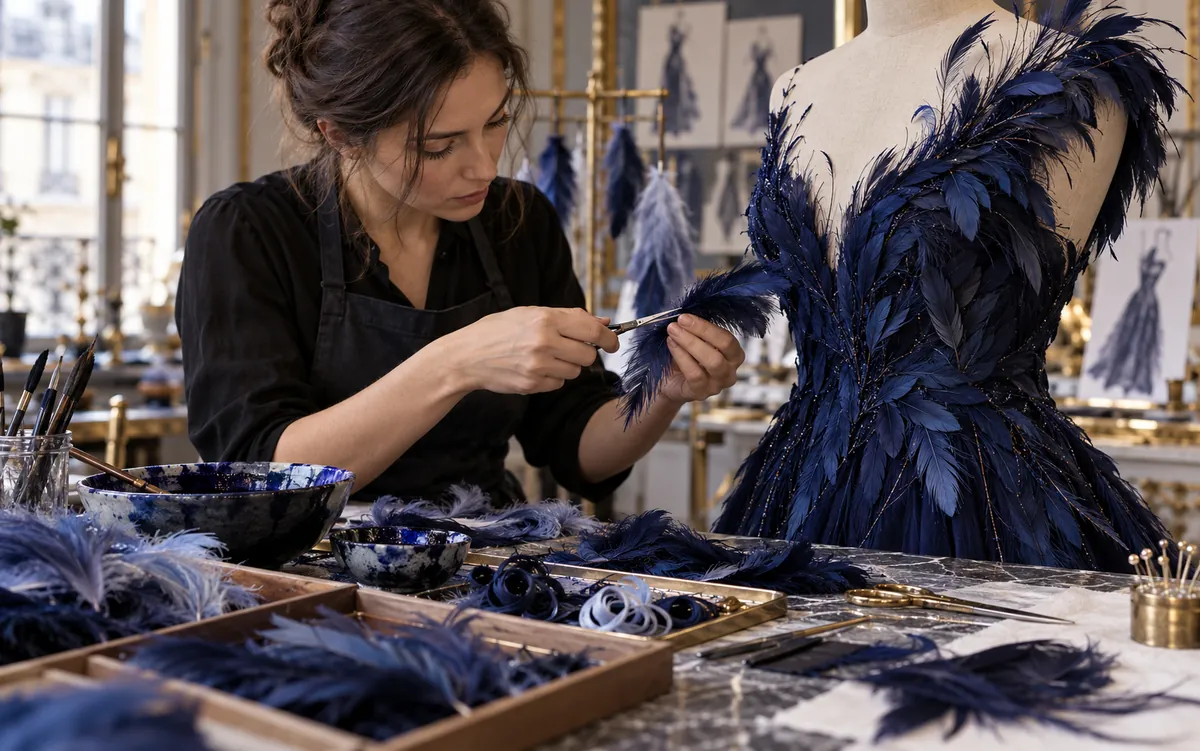
Coverage highlighted crystal corsets and feathers at Falguni Shane Peacock, steel-wire textiles inspired by Mughal inlay at Rimzim Dadu, an artisan-focused tribute at the House of Rohit Bal, and Masaba Gupta's bridal debut in saffron, crimson and fuchsia.
What it means for brands
- Plan bridal ranges with red as a lead colour again.
- Offer structured bodices and corset options.
- Develop headpieces and veils as add-on products.
- Tell the artisan story in product content.
Why these trends will travel
India Couture Week sets the agenda for the wedding season that follows, from October to February. Bridal and trousseau customers often see the runway looks on social media first, then ask local designers and boutiques for versions in their budget. That makes the week one of the clearest demand signals in Indian occasion wear.
Turning the trends into product
- Ceremonial headpieces: develop matching headpieces, matha pattis and veil crowns as add-on items. They raise the average order value and are easy to ship.
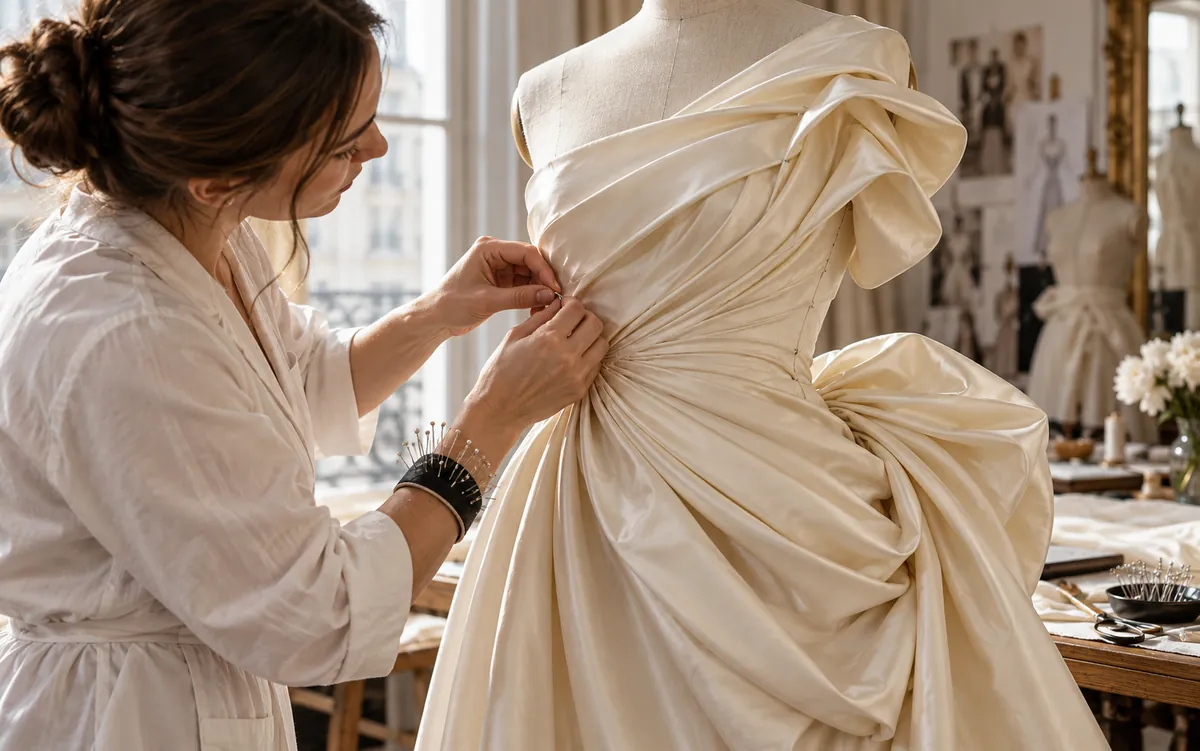
- Sculptural corsets: a corset-structured blouse or bodice gives a lehenga a modern line. Build it with spiral steel or synthetic boning, a firm interlining and a waist stay, and allow at least two fittings.
- Jewellery built into garments: place beadwork and crystal clusters where necklaces and belts would sit, so the outfit needs fewer separate pieces.
- Bridal red: offer red in several values, from vermilion to deep maroon, and pair it with antique gold rather than bright yellow gold for a current look.
- Artisan credit: name the technique, the region and, where the makers agree, the karigars on the product page and swing tag.
Planning by price point
At couture level, structure and embellishment are built by hand around one client. At premium made-to-order, use set patterns with two or three bodice sizes adjusted at a fitting, and keep hand work to the bodice and dupatta border. At accessible bridal and guest wear, use machine embroidery with hand-finished highlights, and lighter cancan instead of heavy layers.
The international view
The same ideas suit South Asian diaspora weddings in the UK, North America, the Gulf and Australia, where clients want Indian craft in silhouettes that also work for receptions and Western-style events. Corset bodices, capes and sculptural veils are especially easy to adapt for these markets.
Timing
Most Indian wedding dates fall between late October and February, with a second window in April and May. Sampling for the runway-inspired pieces should be finished before the main season starts, which means placing embroidery orders in late summer.
Common questions
Who organises India Couture Week? The Fashion Design Council of India (FDCI). It is held once a year, usually in late July or early August, ahead of the main Indian wedding season.
Which trend is easiest for smaller labels to adopt? Headpieces, veils and capes. They need little fitting, can be sold as add-ons and work with existing lehengas and gowns.
Will bridal red replace pastels? No. Forecut expects red to return as a lead colour alongside pastels and ivory, giving brides more choice rather than replacing one trend with another.
Sources: ETV Bharat, t2 Online, Wedding Affair.