Regions
Global fashion forecast, region by region
One global forecast, read for six regions. Forecut tracks the international seasons (Spring/Summer, Pre-Fall, Autumn/Winter and Resort) and shows how each trend lands in Asia, Europe, North America, South America, Africa and Oceania, with local timing, climate and market preferences.
Global forecast · Updated 21 Oct 2026

Six regions
Pick a region for its season-by-season direction, key markets, climate and fashion weeks.

AsiaNorth
The world's largest and fastest-moving fashion market: Chinese and Korean labels setting their own directions, Japan's craft-led design, India's occasion economy and the Gulf's modest-luxury buyers.
China · Japan & South Korea · India · Southeast Asia · Middle East (GCC)
EuropeNorth
Home of the Paris, Milan and London calendars and the luxury houses whose shows set the global agenda, plus Scandinavia's commercial, sustainability-minded labels.
France, Italy & UK · Nordics · Southern Europe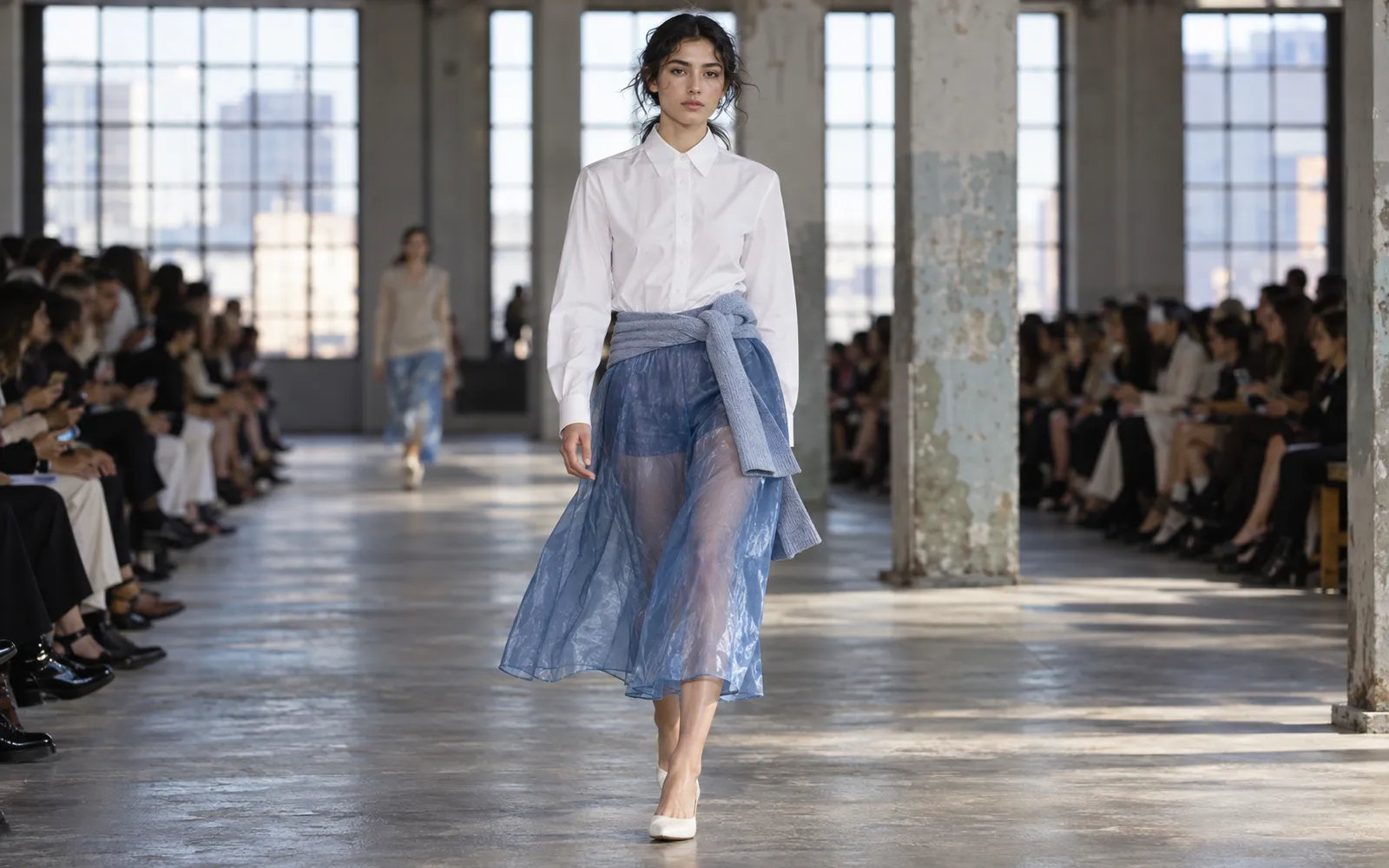
North AmericaNorth
The world's biggest single apparel market: New York's commercial runway, a huge denim, activewear and sneaker culture, and Mexico's rising design scene.
United States · Canada · Mexico
South AmericaSouth
A southern-hemisphere market led by Brazil: colour, swim and beachwear, a large cotton and denim industry, and designers rooted in local culture.
Brazil · Argentina & Chile · Colombia & AndeanAfricaN + S
A young, fast-growing fashion continent: Lagos and Johannesburg as design capitals, bold prints and colour, and craft-led, circular production.
Nigeria & West Africa · South Africa · North Africa · East AfricaOceaniaSouth
Australia and New Zealand: relaxed, outdoor and coastal style, a strong local designer scene, and a calendar that runs opposite to Europe and North America.
Australia · New ZealandThe international season calendar
Forecut keeps the industry-standard season names. Southern-hemisphere and tropical markets sell the same trends on their own timing.
| Season | Shown | In stores (northern hemisphere) | Southern hemisphere | Tropical & seasonless markets |
|---|---|---|---|---|
| Spring/SummerSS | Sep–Oct (year before) | Feb–Jul | Same trends sold Sep–Feb, a season later, in local spring/summer | Core of the year: lightweight trends sell 9–12 months |
| Pre-FallPF | Dec–Jan | May–Jul | Sold as local transitional season (Nov–Jan) | Transitional layers, light outerwear for air-conditioned interiors |
| Autumn/Winter (AW / FW)AW | Feb–Mar | Aug–Jan | Same trends sold Mar–Aug, in local autumn/winter | Festive and occasion wear; lighter-weight versions of AW trends |
| Resort / CruiseRS | May–Jun | Nov–Jan (holiday, travel) | Lands in local summer: the peak season for resort | Holiday, wedding and travel wardrobes |
When trends reach each region
Local in-store windows for the next seasons.
| Region | SS27 in stores | AW27 in stores | Resort 27 |
|---|---|---|---|
| Asia | Feb – Jul 2027 | Aug 2027 – Jan 2028 | Nov 2026 – Jan 2027 |
| Europe | Feb – Jul 2027 | Aug 2027 – Jan 2028 | Nov 2026 – Jan 2027 |
| North America | Feb – Jul 2027 | Aug 2027 – Jan 2028 | Nov 2026 – Jan 2027 |
| South America | Sep 2027 – Feb 2028 (local spring/summer) | Mar – Aug 2028 (local autumn/winter) | Nov 2026 – Jan 2027 (local summer: peak resort season) |
| Africa | North & West Africa: Feb – Jul 2027 · South Africa: Sep 2027 – Feb 2028 (local spring/summer) | North & West Africa: Aug 2027 – Jan 2028 · South Africa: Mar – Aug 2028 (local autumn/winter) | North & West Africa: Nov 2026 – Jan 2027 · South Africa: Nov 2026 – Jan 2027 (local summer: peak resort season) |
| Oceania | Sep 2027 – Feb 2028 (local spring/summer) | Mar – Aug 2028 (local autumn/winter) | Nov 2026 – Jan 2027 (local summer: peak resort season) |
Global SS27 directions
The trends every region starts from. Open the full SS27 forecast →
Peplums, basque waists and bubble hems bring shape back after years of oversizing.
Lace, embroidery and smocking move onto crisp everyday shirting.
Exposed straps, unfinished hems and muslin-like cottons.
Fringe and bold stripes that move with every step.
The tie returns, tucked shirts look sharp again and refined flats replace sneakers.
Cut-offs, wax-coated finishes and denim suits.
Resort and Pre-Fall
The two "in-between" collections that keep stores fresh between the main seasons.