How couture houses build a brand
Signature codes, the atelier story, the pyramid model and how couture funds the rest of the business.

A couture house rarely makes most of its money from couture. Couture is the top of the brand: the place where its ideas and craft are proven. Understanding this structure helps any designer plan a label that can grow.
1. Signature codes
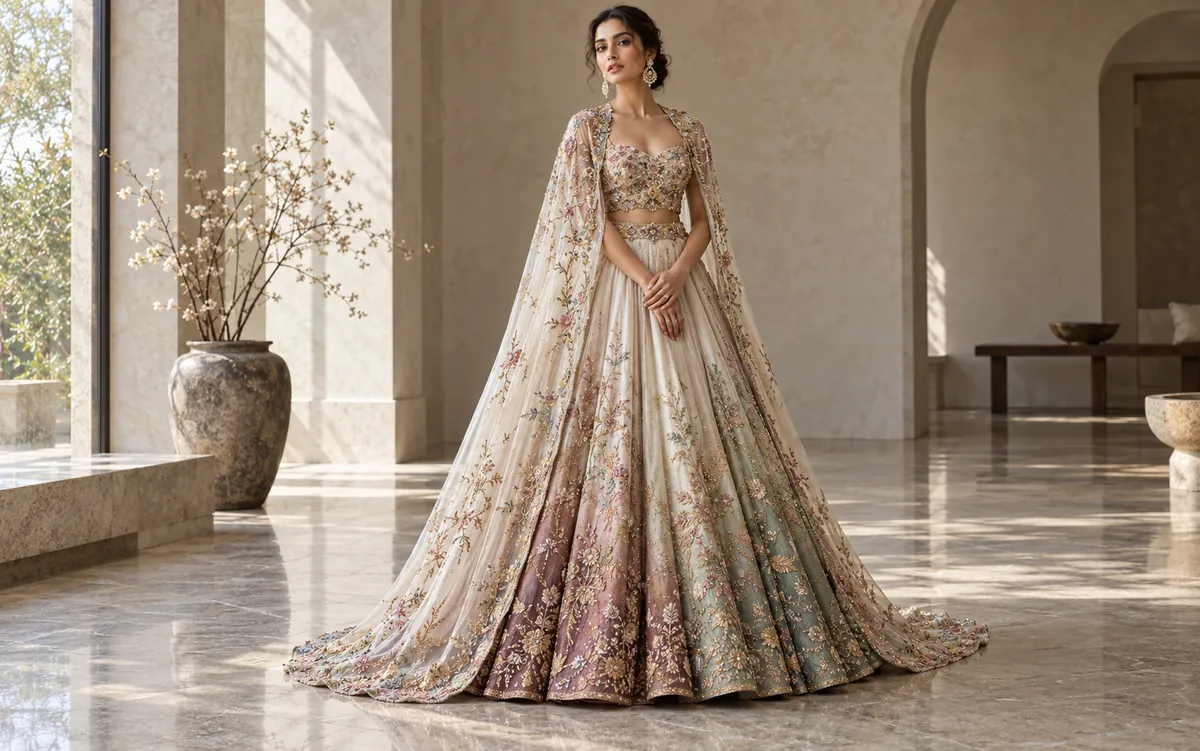
Strong houses are recognisable without a logo: a silhouette, a colour, a motif or a technique that returns every season. For an Indian couturier this might be a signature embroidery, a heritage textile or a particular palette. Codes make the brand memorable and protect it from copies.
2. The atelier story
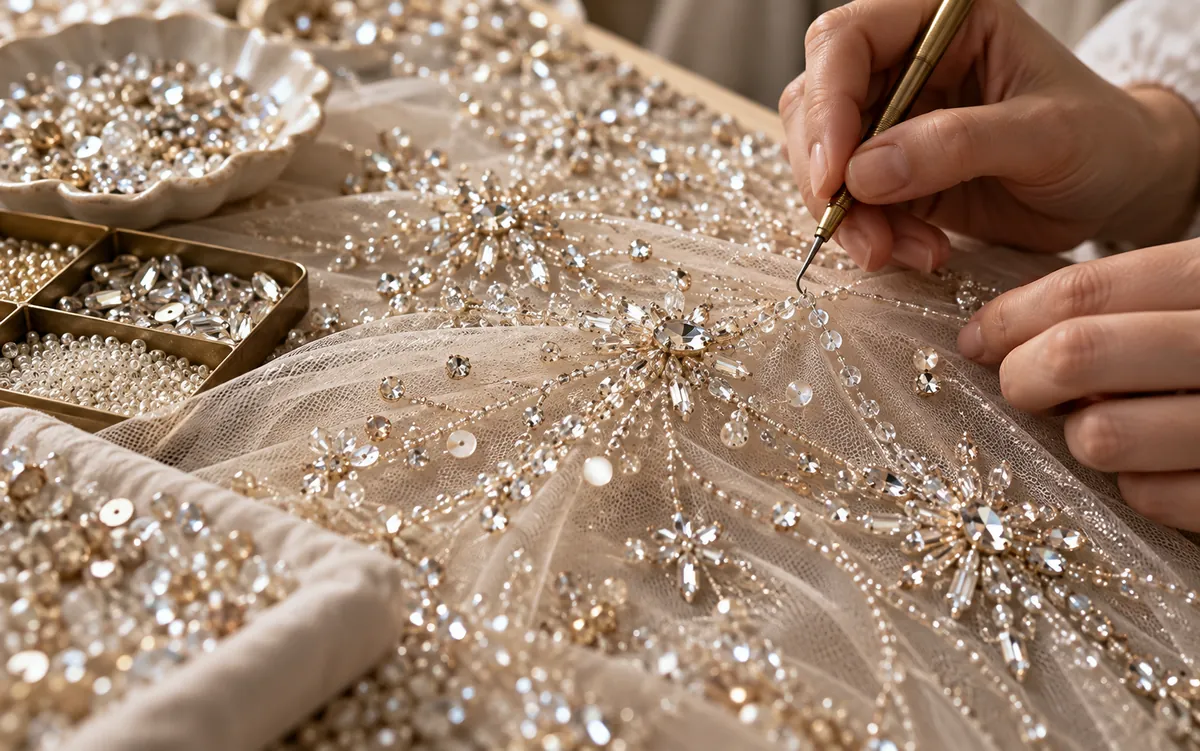
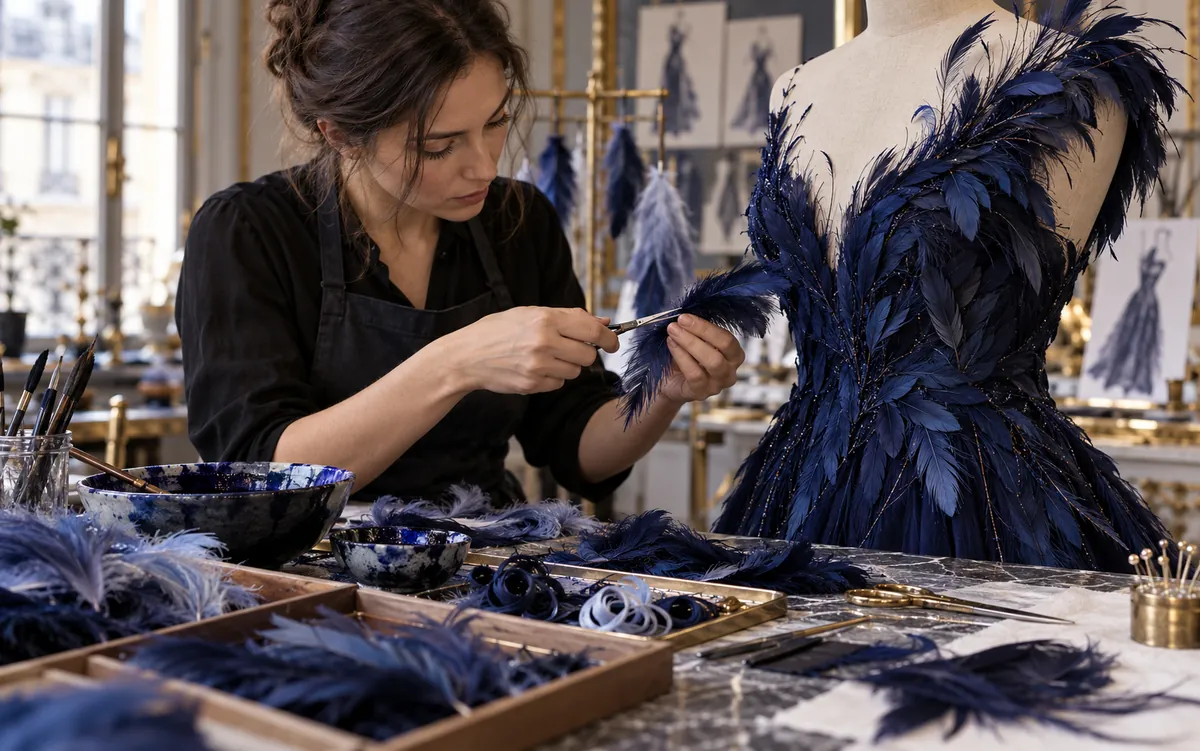
Craft is the proof. The karigars, the hours of hand work and the regional techniques are not just production details; they are the story customers pay for. Showing the atelier through process content, behind-the-scenes images and maker credits builds value.
3. The brand pyramid
- Top: couture and bridal: few pieces, highest price, highest visibility.
- Middle: made-to-order and prêt: the main revenue line, carrying the signature codes.
- Base: accessories, fragrance, home and collaborations: the most accessible entry to the brand.
4. Storytelling every season
Each collection needs a single idea a customer can repeat in one sentence. The story guides the colour, fabric, embellishment and the show or shoot, so every touchpoint feels connected.
5. Clienteling
Couture runs on relationships: fittings, appointments, alterations and lifelong service. Families who trust a house for a wedding often return for every occasion after.
6. Pricing that reflects the work
Couture pricing starts with hours, not fabric. Estimate pattern-making, toiles, fittings, embroidery hours per square metre of work, finishing and overheads, then add the brand premium. Publishing a "from" price for bridal and explaining what drives the final price (embroidery area, technique, fabric and lead time) builds trust and filters enquiries.
7. Protecting the codes
- Document signature motifs and silhouettes with dated sketches and photographs.
- Register the brand name and key logos as trademarks in each market you sell in.
- Keep a design archive: past collections become reference for future ones and for heritage storytelling.
- Use consistent naming for signature techniques so customers learn to ask for them.
8. Choosing where to show
A couture or bridal label can build visibility through a fashion or couture week, private trunk shows for clients in other cities, appointment-only studio presentations, or digital lookbooks. Each has a different cost and audience. Many growing labels start with trunk shows and digital content and add a runway show when the client base can support it.
The house model in different markets
- Europe: heritage houses fund couture through accessories, beauty and ready-to-wear.
- India: bridal couture is itself a strong business; prêt lines and festive collections widen the customer base.
- Middle East: eveningwear and bridal houses build loyal private clienteles and seasonal Eid collections.
- United States: red-carpet visibility and bridal salons drive the made-to-order business.
A checklist for a growing label
- Can a customer describe your signature in one sentence?
- Is your atelier visible in your content?
- Do you have a clear entry product below bridal?
- Do you keep client records for sizes, preferences and occasions?
- Is your pricing explained, not just quoted?
Common questions
Do couture houses make money from couture? Usually not much. Couture builds the image; most revenue comes from ready-to-wear, accessories, fragrance and beauty, or, for many Indian houses, bridal.
How many signature codes should a brand have? Two or three are enough: for example a silhouette, a technique and a colour. Too many codes dilute recognition.
When should a label start a prêt line? When demand from clients exceeds what made-to-measure capacity can serve, and when the signature codes are strong enough to carry into simpler products.