Bridal couture, East and West
White gowns and red lehengas: how bridal couture differs around the world, and where the two are meeting.
Bridal is one of couture's strongest segments worldwide, but traditions vary widely.
Western bridal
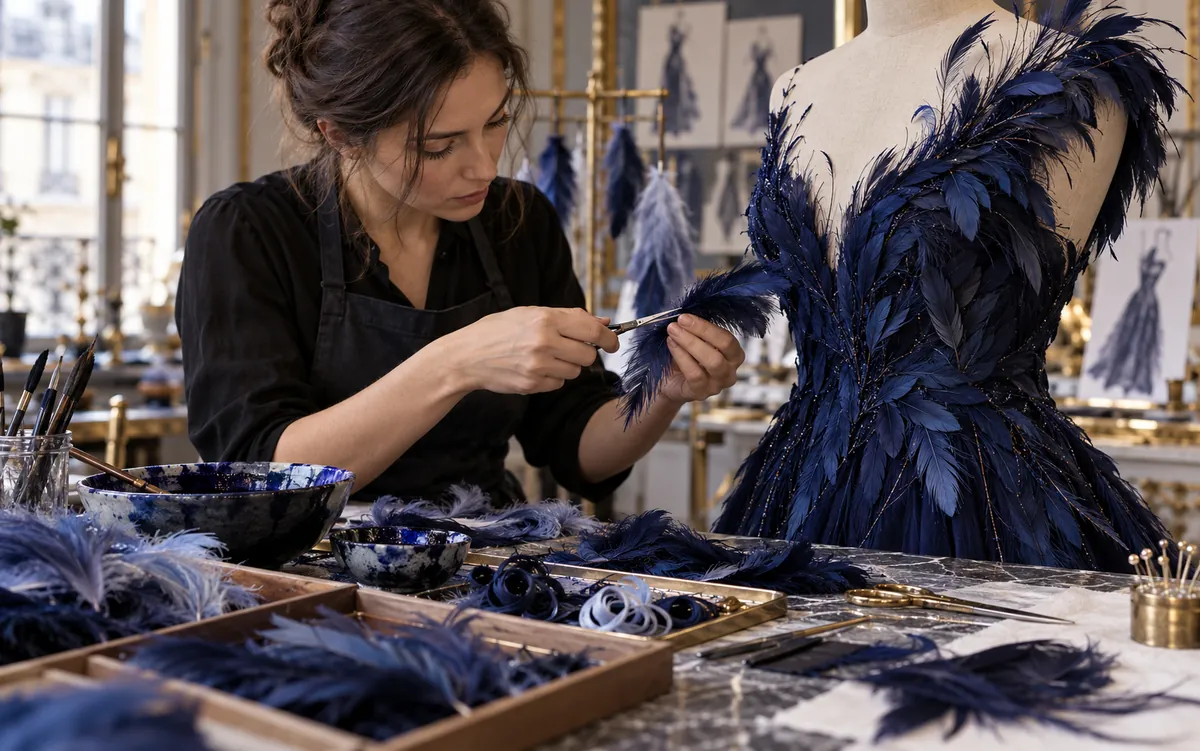
Typically white or ivory, in silk, tulle and lace, with veils and trains. Couture bridal focuses on fit, fabric and delicate hand finishing.
Indian bridal
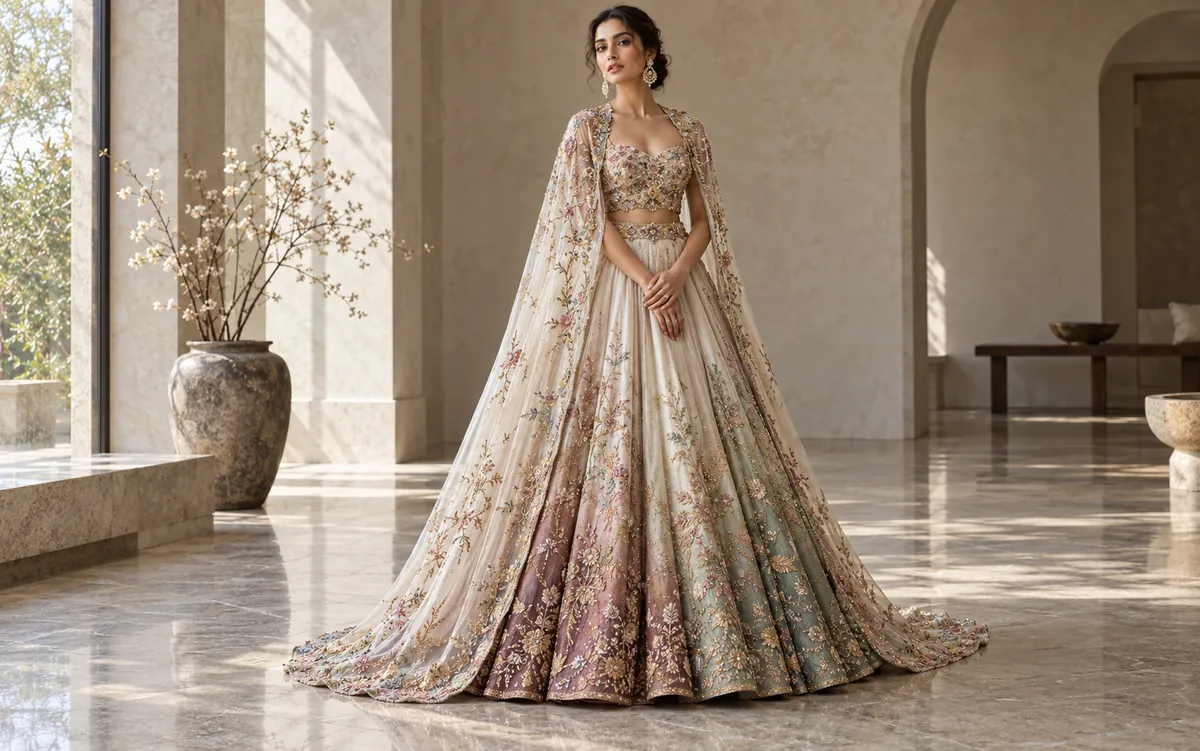
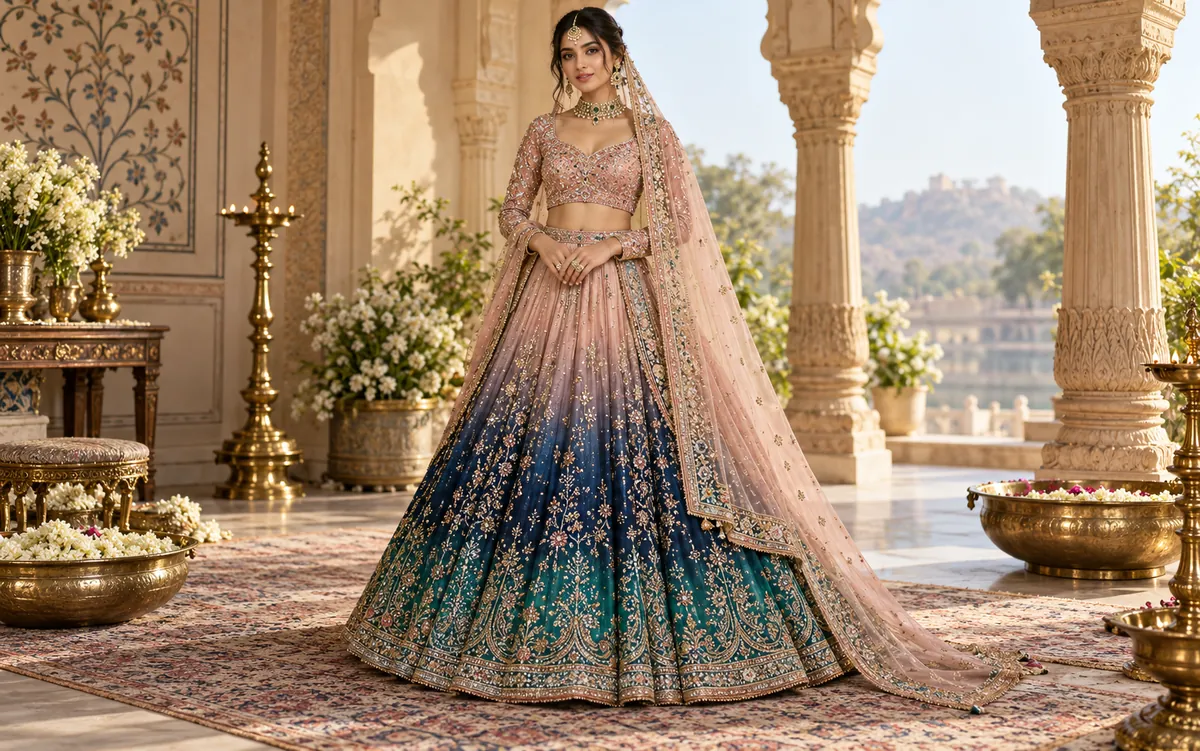
Lehengas and sarees in reds, pinks and increasingly pastels, with heavy hand embroidery in zardozi, resham and gota. In 2026, Indian couture runways showed a return of bridal reds.
Where they meet
- Corsetry and structured bodices from Western couture appear on lehengas.
- Veils and capes are used in Indian bridal looks as sculptural elements.
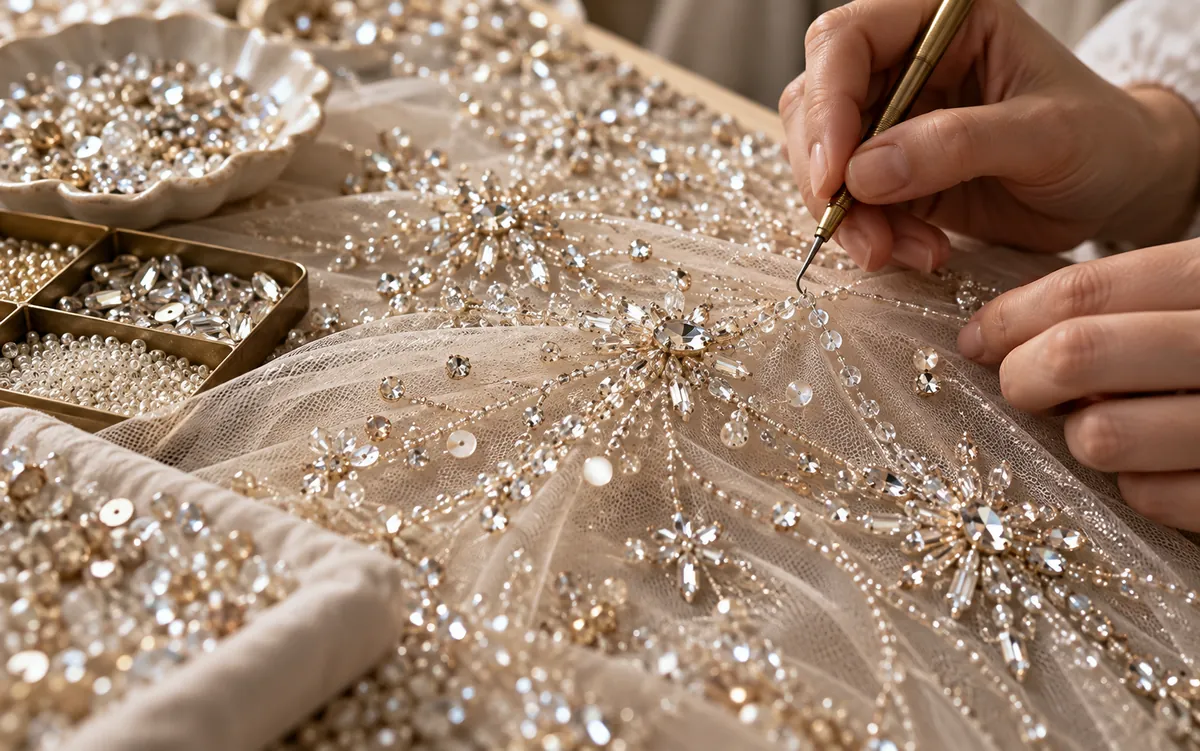
- Indian embroidery techniques appear on international runways.
- Multi-event weddings call for several looks, from ceremony to reception.
Silhouettes
- Western: ball gown, A-line, mermaid, column and sheath, often with a train.
- Indian: lehenga with blouse and dupatta, saree, anarkali and sharara; grooms in sherwani or bandhgala.
- Middle Eastern: structured gowns with long sleeves and high necklines, often with capes and heavy embellishment.
- East Asian: many brides wear a white gown and a traditional outfit, such as the red qipao or hanbok, on the same day.
- West African: coordinated outfits in aso-oke, lace and wax prints, with headwraps (gele) and matching outfits for guests (aso ebi).
Colour traditions
White became the standard Western bridal colour in the nineteenth century. Red is traditional in much of India, China and Vietnam, linked with luck and celebration. Today, colour choices are more personal everywhere: pastel lehengas in India, coloured gowns in Europe and the US, and gold and champagne for evening receptions in the Gulf and Africa.
Multi-event weddings
Many weddings now include several events, each with its own outfit. South Asian weddings may include mehendi, haldi, sangeet, ceremony and reception. Western weddings often add a rehearsal dinner and an after-party look. This creates demand for lighter second looks, convertible pieces and coordinated family outfits.
Design ideas from the meeting point
- A corset-structured lehenga blouse with a detachable cape.
- A white or ivory gown with Indian hand embroidery on the bodice and train.
- A reception gown in a lehenga fabric, such as embroidered organza or brocade.
- Bridal veils with borders of gota, zardozi or lace, used across cultures.
Planning a bridal range
Plan by event, not only by look: the main ceremony outfit, one or two lighter outfits and a reception piece. Give each a clear role in the range, a price point and a lead time. Forecut's couture themes and region pages show which directions are rising in each market.
Common questions
Why do Indian brides traditionally wear red? Red is associated with celebration, prosperity and marriage in many Indian traditions, though colour choices vary by region and family.
How many outfits does a modern bride need? It depends on the number of events. South Asian weddings often need three to five looks; many Western weddings now include a second reception look.
Can Western and Indian bridal styles be combined? Yes. Common fusions include corset bodices on lehengas, Indian embroidery on gowns and veils with Indian borders.