A short history of haute couture
From the first Paris couture house in the 1850s to today's global couture calendar.
Haute couture as we know it began in Paris in the mid-nineteenth century, when the English-born designer Charles Frederick Worth opened a house that dressed clients in designs he created, rather than simply sewing what they ordered. He showed models wearing his designs and put his name on his work: the beginnings of the designer label.
Organising the craft
In 1868 Paris dressmakers formed a trade body that would become the Chambre Syndicale de la Haute Couture. Over the following century it defined who could call themselves haute couture and organised the shows, rules that still shape the industry today through the Fédération de la Haute Couture et de la Mode.
The golden age
The decades after 1945 are often called couture's golden age, with new silhouettes, large ateliers and wealthy private clients from around the world. Couture set the direction that ready-to-wear and department stores followed.
Ready-to-wear changes everything
From the 1960s, ready-to-wear became the main business for most houses. Couture became the laboratory and the image-maker of the brand, funded by accessories, fragrance and prêt-à-porter.
Couture today
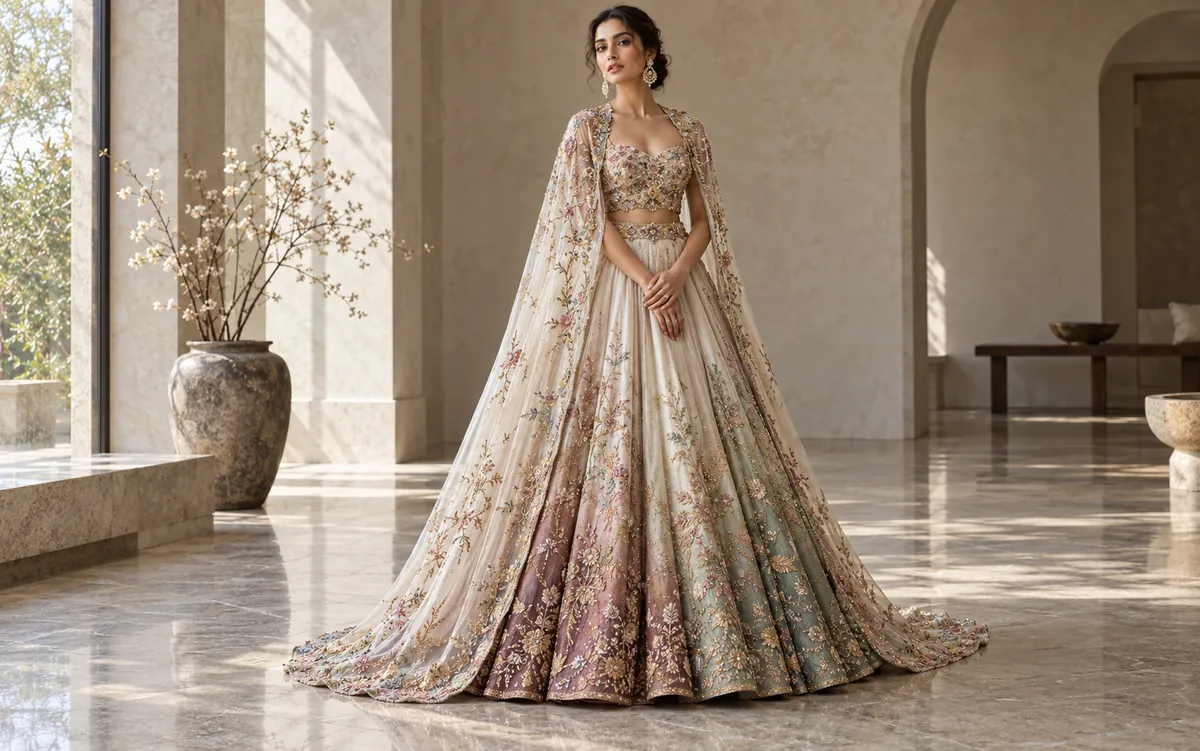
Today couture is global. Paris remains the centre, with official houses joined by guest designers from Asia, the Middle East and India. Couture weeks in India and elsewhere celebrate regional craft, and bridal couture is one of the strongest segments worldwide.
Key moments in the twentieth century
- Early 1900s: designers such as Paul Poiret moved fashion away from the corset towards looser, draped lines.
- 1920s–30s: Gabrielle Chanel and Madeleine Vionnet introduced relaxed jersey dressing and bias cutting; Elsa Schiaparelli brought art into fashion.
- 1947: Christian Dior's first collection, nicknamed the "New Look", brought back a cinched waist and full skirt after wartime restrictions.
- 1950s: Cristóbal Balenciaga's sculptural, architectural shapes influenced a generation of designers.
- 1960s: Yves Saint Laurent and others brought couture ideas into ready-to-wear boutiques.
Why history matters for designers
Many "new" trends are reinterpretations. The defined waist and full skirts that Forecut tracks for SS27 echo the post-war New Look; the soft, draped tailoring rising for later seasons recalls the relaxed lines of the 1920s and 30s. Knowing the original helps designers update an idea rather than copy a past version of it.
Couture outside Paris
Italy developed its own alta moda tradition in Rome and Florence after the Second World War. Couture tailoring has a long history in London's Savile Row. In India, royal courts supported textile and embroidery workshops for centuries, and techniques such as zardozi and jamdani have histories much older than Paris couture. Modern Indian couture brings these crafts into contemporary bridal and occasion wear.
Lessons that still apply
- The silhouette defines an era: proportion changes are often the strongest signal of a new season.
- Craft builds value: houses that invested in specialist workshops created lasting brands.
- Couture leads, ready-to-wear follows: ideas move from the atelier to stores, often simplified.
- Clients drive couture: direct relationships with clients shape every house's identity.
Common questions
Who is considered the first couturier? Charles Frederick Worth, who opened his Paris house in the 1850s and is credited with creating the designer-led couture model.
What was the New Look? The name given to Christian Dior's 1947 collection, with a cinched waist and full skirt, which defined post-war fashion.
Why did ready-to-wear overtake couture? Changing lifestyles, rising labour costs and new retail models from the 1960s made ready-to-wear the main business for most houses.