New in the atelier: innovations changing couture
Lighter construction, digital planning, sculptural techniques and circular couture.
Couture is built on tradition, but the atelier is changing. These are the innovations Forecut is watching.
Lighter garments
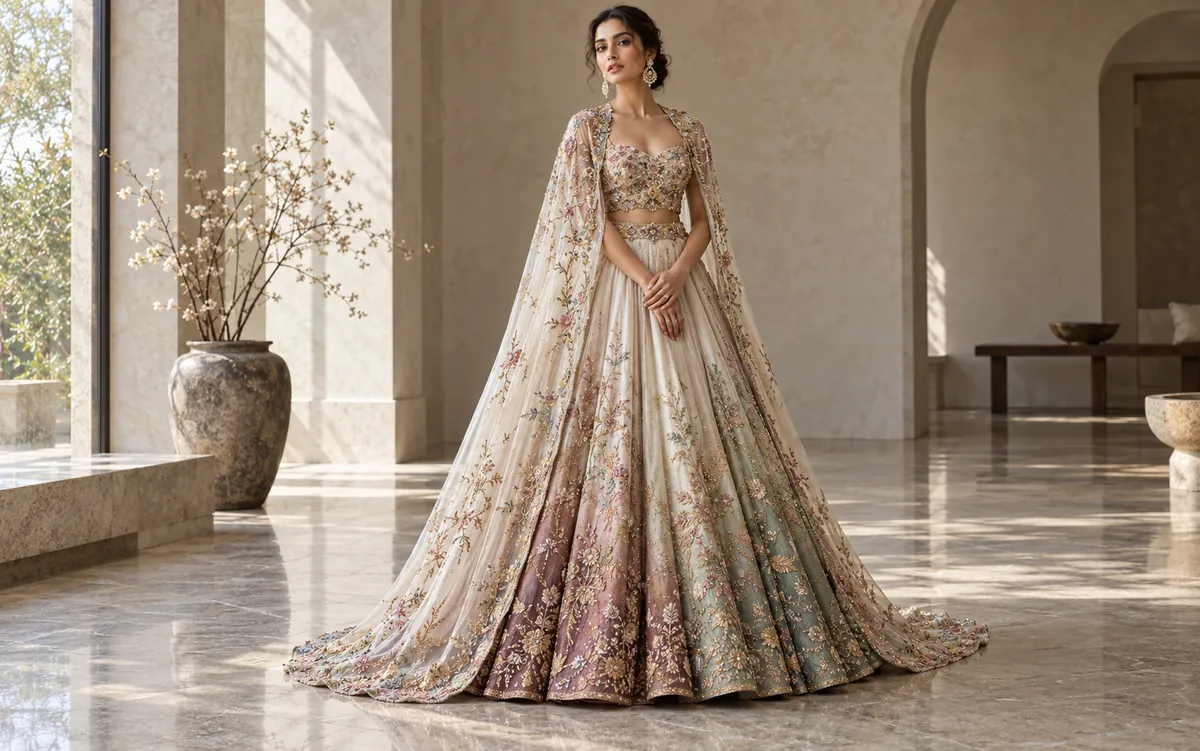
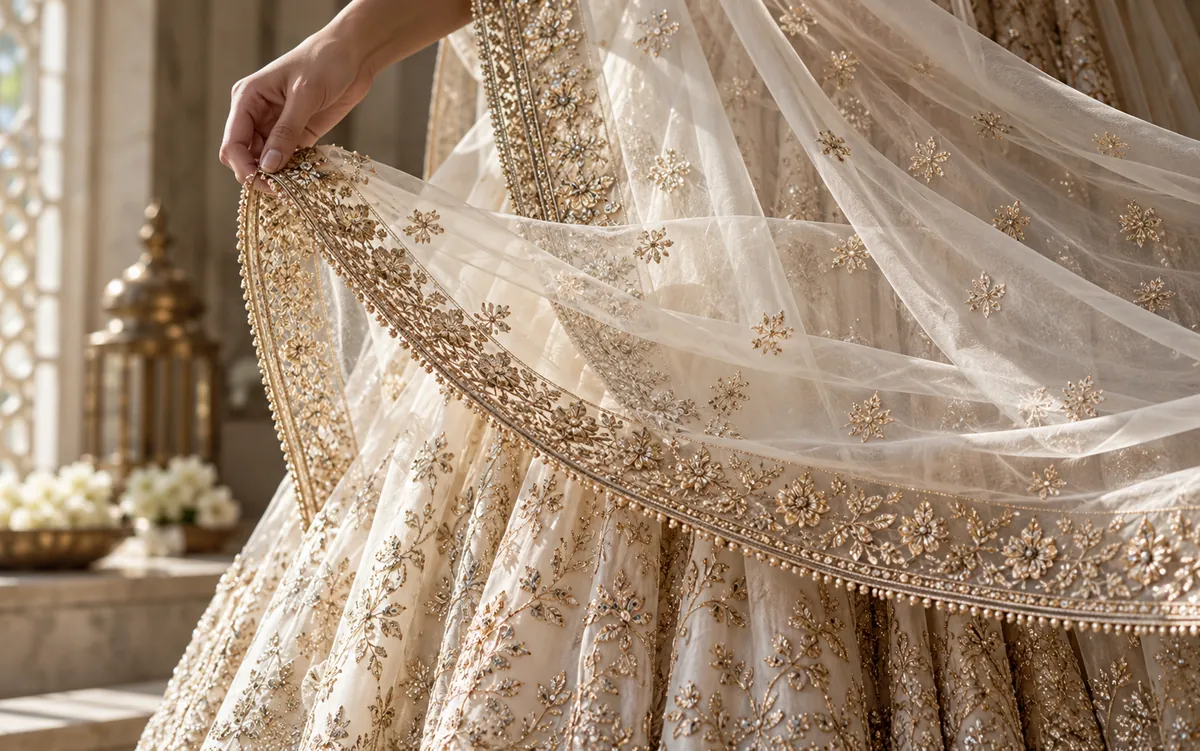
Brides want to dance in their outfits. Designers are swapping heavy brocades for organza, tulle and tissue, and using structure, cancan and corsetry to create volume with far less weight.
Digital embroidery planning
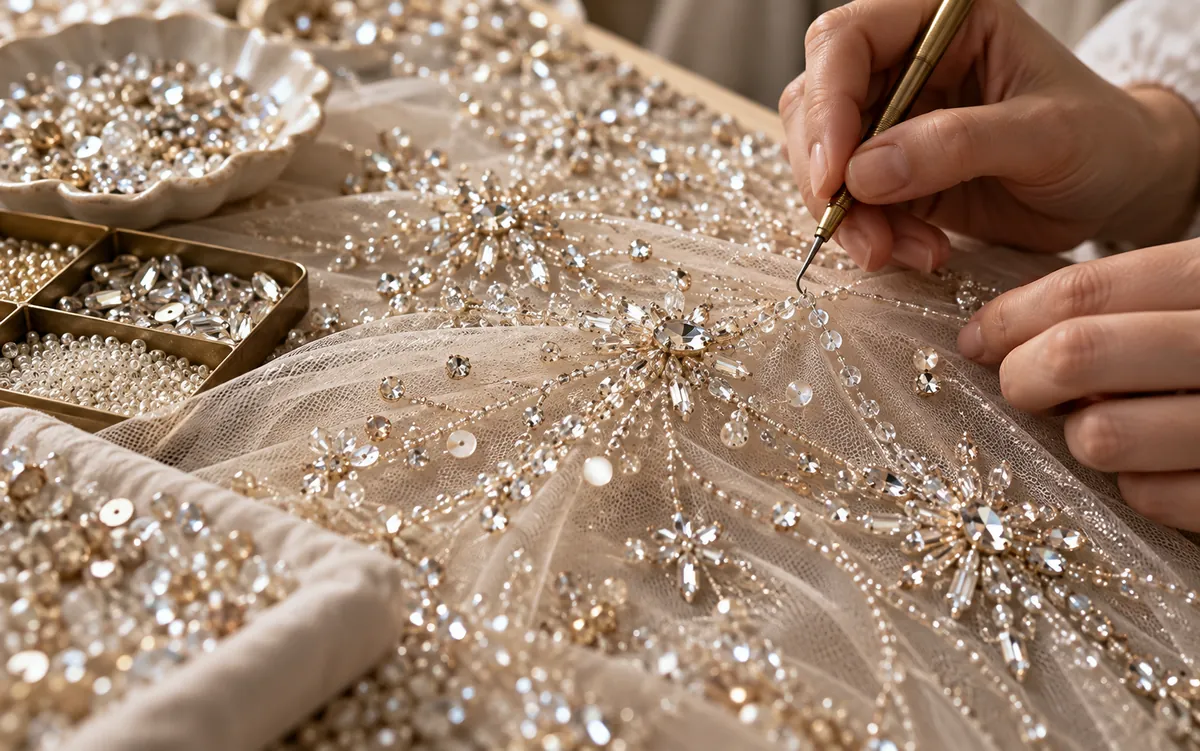
Motifs are designed and placed digitally on the pattern pieces before hand work begins, reducing waste and making sure ornament follows the body.
Sculptural techniques
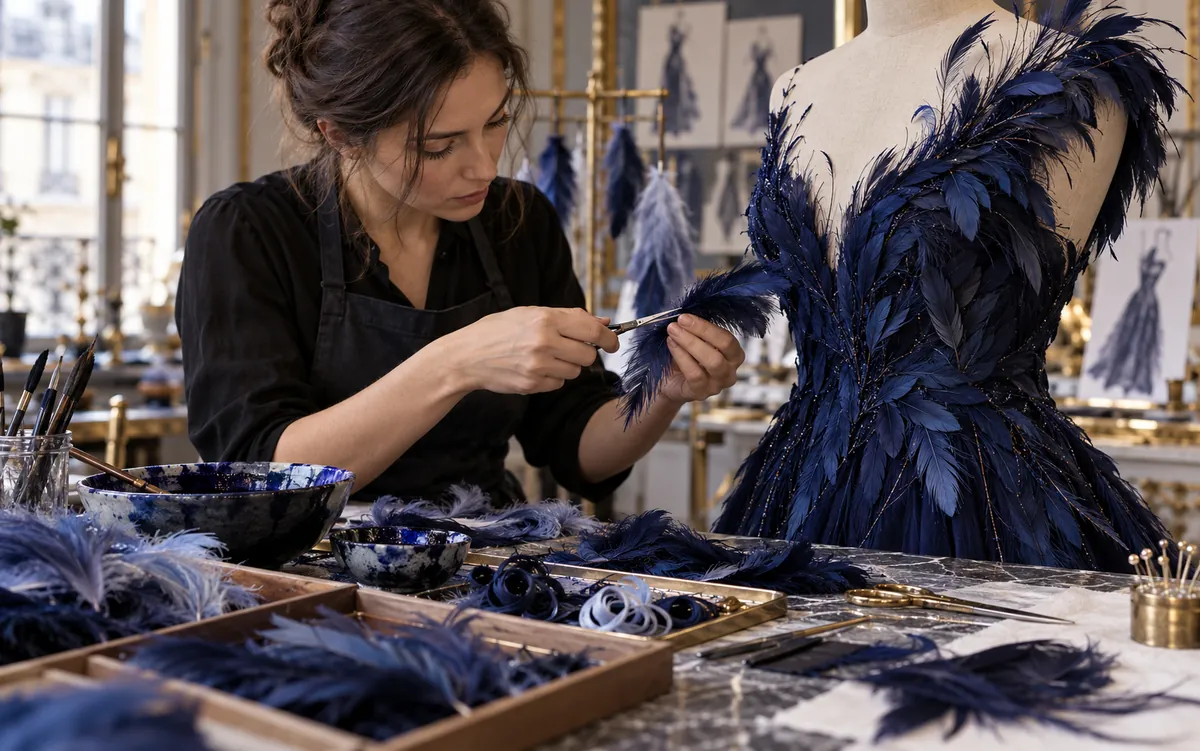
Laser-cut petals, 3D-printed elements and hand-shaped appliqué add depth. The best results combine these with traditional hand work rather than replacing it.
Circular couture
Reworking heirloom textiles, designing for alteration and offering rental or re-styling services give couture a longer life and a stronger sustainability story.
Comfort engineering
Long wedding days have changed what clients ask for. Ateliers are adding breathable linings, flexible boning, stretch side panels hidden under embroidery and detachable trains and capes so a single outfit can move from ceremony to dance floor. These changes rarely show in photographs, but they are now a key part of the sales conversation.
Better fit with fewer fittings
Body scanning and digital pattern adjustment help ateliers with clients in other cities or countries. Measurements taken remotely can produce a closer first toile, so fewer in-person fittings are needed. The final fit is still checked by hand, but travel and time costs fall.
Material innovation in couture
- Recycled and bio-based sequins and beads as alternatives to new plastic.
- Metal threads with lower-impact plating for zari and zardozi.
- Lighter organza and tissue weaves that keep shine with less weight.
- Plant-based and recycled linings for structured pieces.
These materials are still being tested at couture level. Ask suppliers for documentation and test samples for colour, weight and durability before using them on client pieces.
Service innovations
- Re-styling: turning a bridal lehenga into separates or a gown after the wedding.
- Heirloom rework: integrating a parent's saree or embroidery into a new piece.
- Rental for guests: giving occasion pieces several lives.
- Aftercare: cleaning, storage and repair services that keep clients connected to the house.
What to watch next
Forecut expects the most practical innovations, lighter structure and comfort engineering, to spread fastest, because they solve a real client problem. Digital tools will grow in made-to-measure and bridal. Novel materials will appear first in capsules and statement pieces. Follow the innovation radar on the fabrics page for timing.
Common questions
Is technology replacing hand craft in couture? No. The strongest work combines technology, such as digital placement, with hand techniques. Technology mainly saves time and waste.
How can a bridal outfit be made lighter? Use lighter bases such as organza or tulle, build volume with structure instead of fabric layers, and concentrate heavy work where it shows most.
Is couture rental growing? Yes, especially for guest outfits and second-event looks, as customers look for value and variety.