From mood to garment: how a couture collection tells a story
A step-by-step method for turning one idea into a coherent couture collection, from research to the final look.
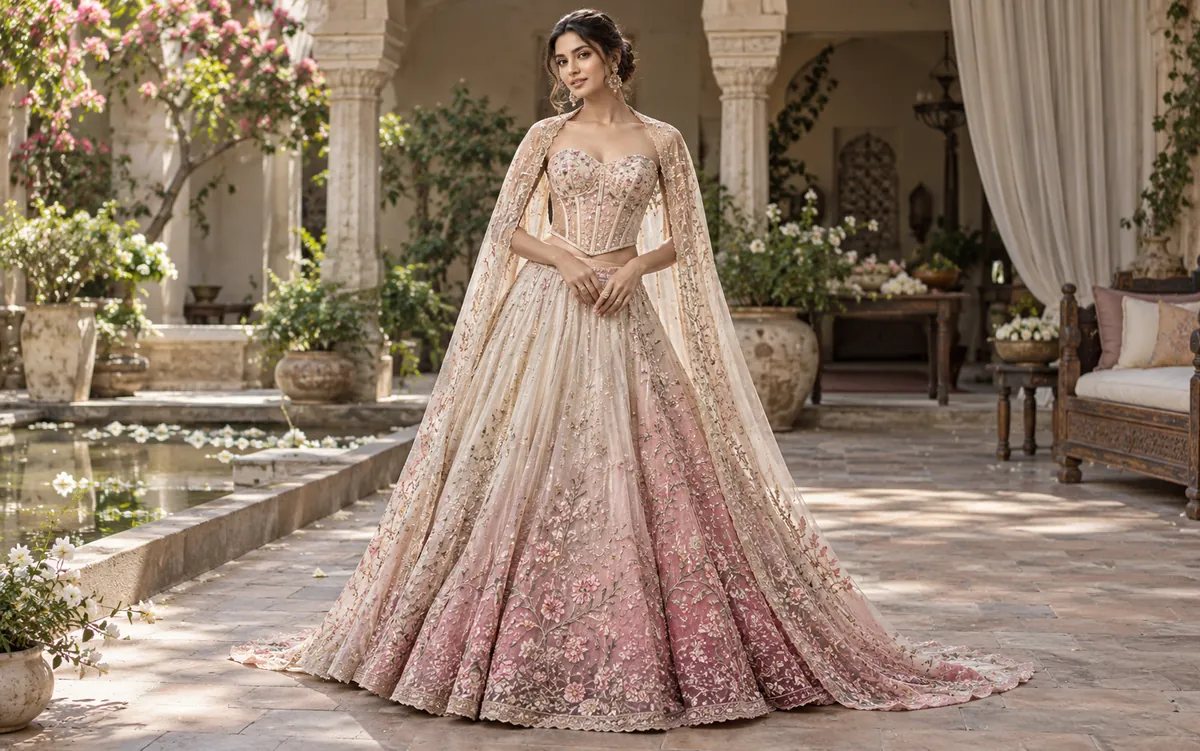
Great couture collections feel inevitable: every piece belongs. That coherence comes from a disciplined process that starts with a story, not a sketch.
Step 1: one sentence
Write the idea as one sentence, for example "a monsoon garden seen through old palace windows". If you can't say it in one line, the collection will feel scattered.
Step 2: research board
Collect architecture, textiles, art, landscapes and archive garments that express the sentence. Group them into three moods to create rhythm across the collection.
Step 3: palette and materials
Pull five to seven colours from the board and fix them with Pantone TCX references. Choose fabrics for how they move and take embroidery, not just how they look flat.
Step 4: signature technique
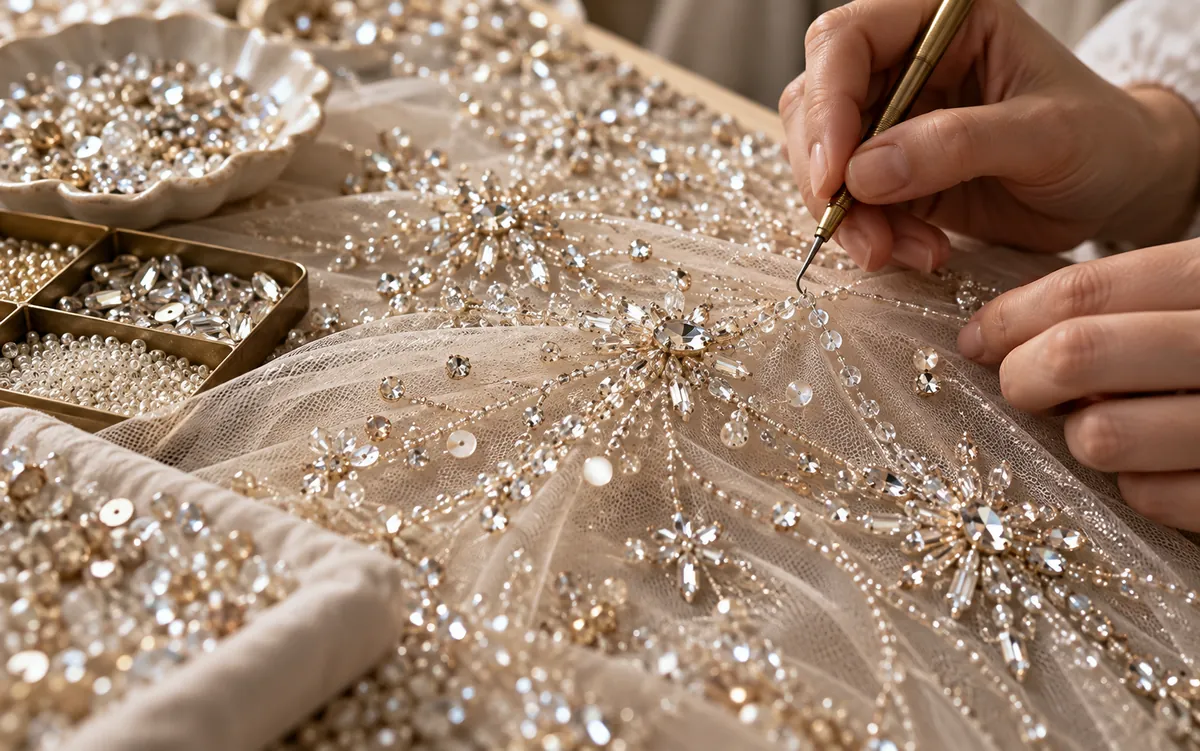
Choose one hero technique and one supporting technique. Repeating them in different scales across looks creates unity.
Step 5: the line-up
Plan the collection as a walk: opening looks set the mood, the middle builds variety, and the finale delivers the most elaborate piece. Lay the looks out in order before sampling.
Step 6: test the story with a capsule
Before sampling the full line-up, make three looks that represent the opening, middle and finale. Photograph them together under the same light. If the three pieces do not obviously belong to one idea, adjust the palette, technique or silhouette now, when changes are still cheap.
Step 7: write the collection notes
Every couture collection needs a short written note for press, buyers and clients: the one-sentence idea, the inspiration, the key techniques and the materials. The same text becomes product descriptions, social captions and the script for appointments. Writing it early keeps the team aligned.
A worked example
- Sentence: "A monsoon garden seen through old palace windows."
- Three moods: rain on stone (greys and silver), wet leaves (deep greens), palace interiors (ivory and antique gold).
- Palette: slate, moss, bottle green, ivory, antique gold, with a single accent of rain-washed pink.
- Materials: organza and tissue for lightness, raw silk for structure, velvet for the finale.
- Hero technique: tonal resham leaves; supporting: fine dabka outlines that echo window lattices.
- Line-up: light organza looks open; structured raw silk builds the middle; an embroidered velvet cape closes.
Common mistakes
- Too many techniques: three or four hero techniques compete and the story disappears.
- A palette chosen from trend reports alone, without a link to the story.
- Fabric chosen flat on the table, not tested for drape and embroidery weight.
- No variation in scale: the same motif at the same size on every look feels repetitive.
Using Forecut in the process
Use Forecut's season themes and colour pages as a check, not a starting point. Once your story is set, compare your palette and techniques with what is rising for the season and region you sell in, and decide deliberately where to follow the market and where to stand apart.
Common questions
How many looks should a couture collection have? There is no fixed number. Many presentations show between 15 and 40 looks; smaller labels often present 8 to 15 strong looks.
Should the story come before trend research? Yes. Start with your own idea, then use trend research to check timing and market fit.
How long does a couture collection take to develop? Typically several months from research to finished samples, depending on embroidery time and fittings.