Selling SS27 in East Asia: Double 11, Shanghai's heritage revival and Seoul tailoring
What Shanghai, Seoul and Tokyo showed for SS27, what the latest Double 11 and retail data say, and how to plan ranges for China, Japan and South Korea in 2027.
China, Japan and South Korea make up the fastest-moving part of Forecut's Asia region. All three follow the northern calendar, so SS27 lands in stores from February 2027, but each market reads the season its own way. Shanghai is reviving Chinese craft, Seoul is rethinking tailoring and Tokyo is playing with translucency. This guide reads the SS27 shows, Double 11 and the latest retail data for anyone selling into East Asia.
Shanghai: heritage craft and an international trade show
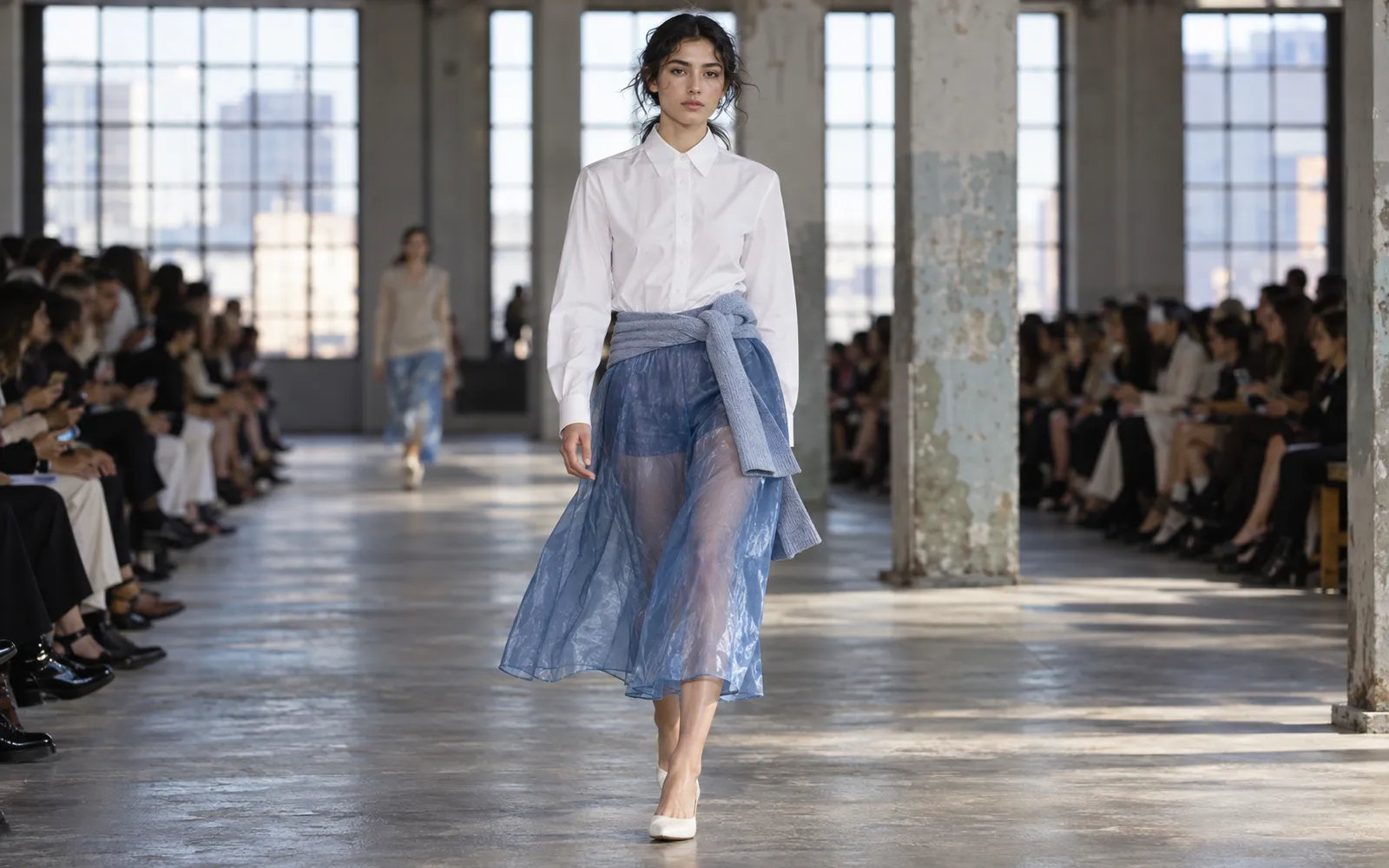
Shanghai Fashion Week SS27 opened on 8 October under the theme "Renewed Radiance", with nearly 100 runway presentations and about 1,000 brands, according to Yicai Global and CGTN. HEMU opened the week with Dunhuang heritage techniques: yunjin and song brocade, kesi silk tapestry and embroidery, in its first collaboration with national-level yunjin brocade inheritor Jin Wen. China Daily described a season built on traditional Chinese motifs inspired by the Silk Road.
The trade side matters as much as the runway. Overseas brands made up more than half of the MODE Shanghai trade show (8–12 October). China Daily HK reported buyers from Galeries Lafayette, Kazakhstan's Viled Group and New York's 3NY, and said the four-day Dongtaili market drew over 100,000 visitors, with participating brands reporting daily sales up 35%.
Seoul and Tokyo: tailoring as a system, and translucency
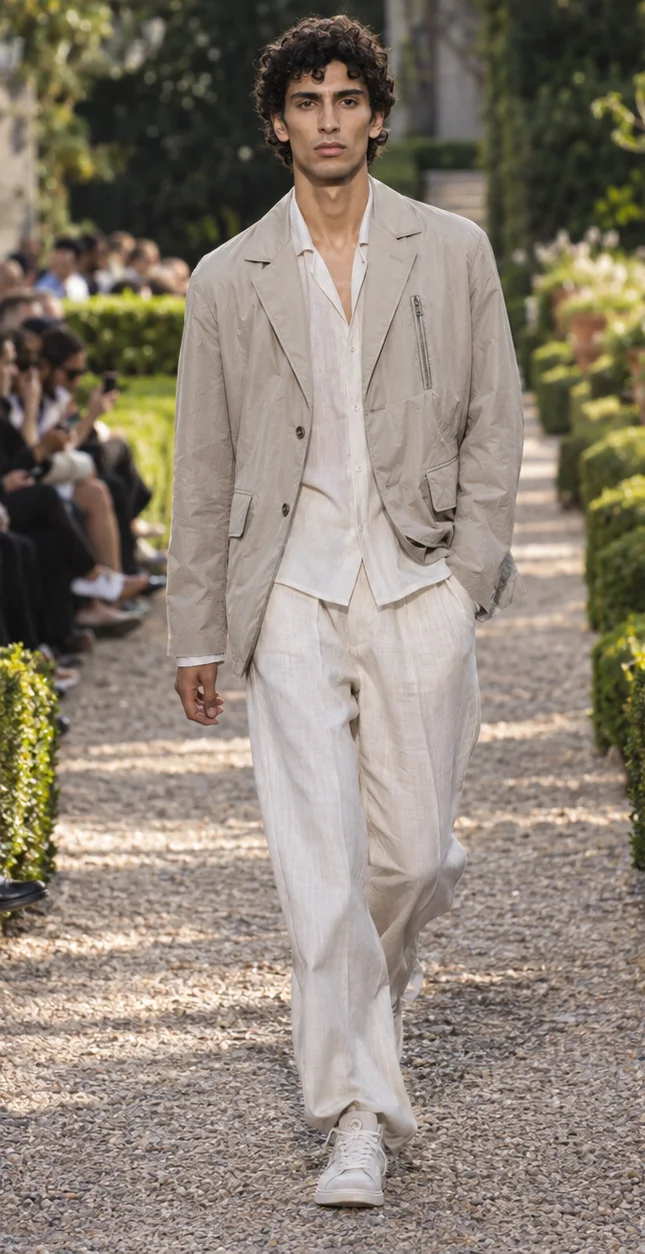
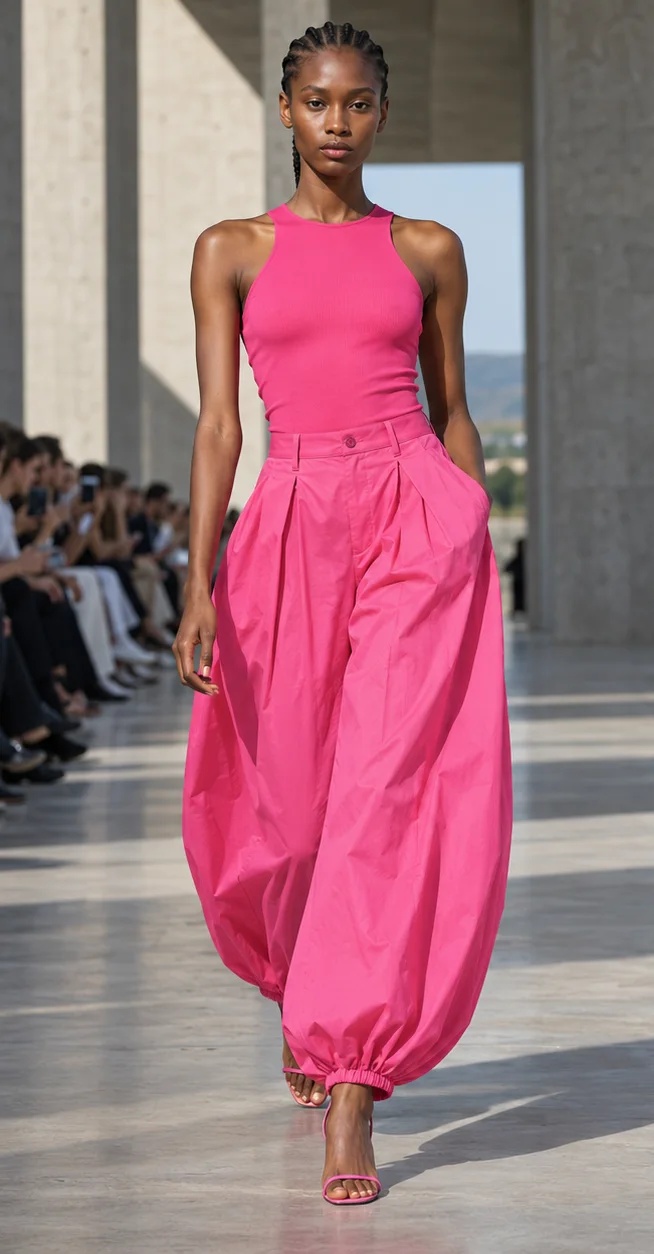
METAL Magazine's Seoul SS27 report described tailoring treated as a system: kwaeja-inspired overlapping forms (after the traditional Korean sleeveless vest), cropped jackets and windbreakers and ballooning trousers, in earth tones with sheer fabrics and metallic silver, plus technical fabrics and denim-effect patchwork. In Tokyo, Tokyo Weekender reported Yoshiokubo layering translucent fabrics over utility thermals, Pillings twisting shirts and pencil skirts with off-centre creases, and Charinyeh using gossamer fabrics and coral-like cut jacquard.
How the East Asian runways match Forecut tracking
Most of these ideas line up with details Forecut already tracks for SS27:
- Windbreaker as a blazer (rising) and boxy cropped jackets (rising): the Seoul tailoring story in commercial form.
- Balloon trousers (rising, peak expected AW27): the volume Seoul showed, with time to build depth.
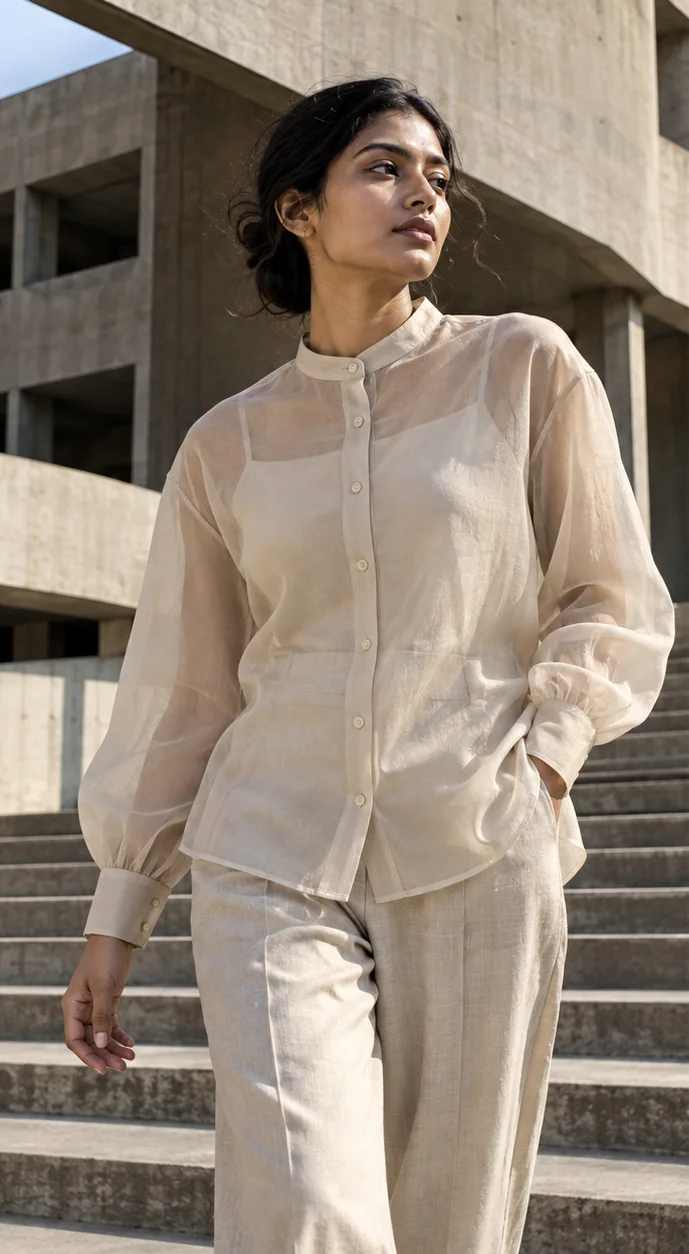
- Sheer organza blouses (rising): the translucency seen in Tokyo and Seoul,.
- Utility trench details (rising) and packable technical shells (emerging): the technical edge that sells in Japan and Korea.
- Sheer mesh layering tops and sheer fine-gauge layers (both peaking, then fading in AW27): sell through SS27 but do not build these into AW27 plans.
Double 11: discounts, new products and slow stores
China's biggest shopping festival ran longer and simpler this year. BigGo Finance reported that Tmall pre-sales opened on 15 October with official sales from 20 October, JD.com started on 12 October and dropped deposit pre-sales, and Douyin's festival ran from 15 October to 11 November. Tmall favoured straight discounts over cross-store thresholds after a 10 October government notice on "lowest price" practices.
China Skinny noted that new products were a clear theme: merchants launching new products on Taobao and Tmall were up 64% before the festival, and by 20 October 102 new products had passed ¥10 million in sales. For brands, that argues for a festival-exclusive item or colourway rather than deeper markdowns on existing stock.
The wider market is soft. National Bureau of Statistics figures show retail sales of clothes, shoes, hats and textiles up just 1.2% in September and 4.6% for January to September. Online clothing sales rose 3.4% over those nine months, while sales in brand-exclusive stores fell 10.3%.
Japan and Korea: tourists and the weak yen
In Japan, FashionUnited's August data showed textile, apparel and accessory store sales down 6.1%, the twelfth straight monthly fall, while department store clothing sales rose 0.8%. Department store duty-free sales grew 4.6% even as duty-free customers fell 9.5%, helped by demand for high-priced goods and a weak yen (about 159 to the dollar). Visitor mix is shifting: arrivals from China fell 59.0%, while arrivals from South Korea rose 28.7% to 850,500.
What to do now
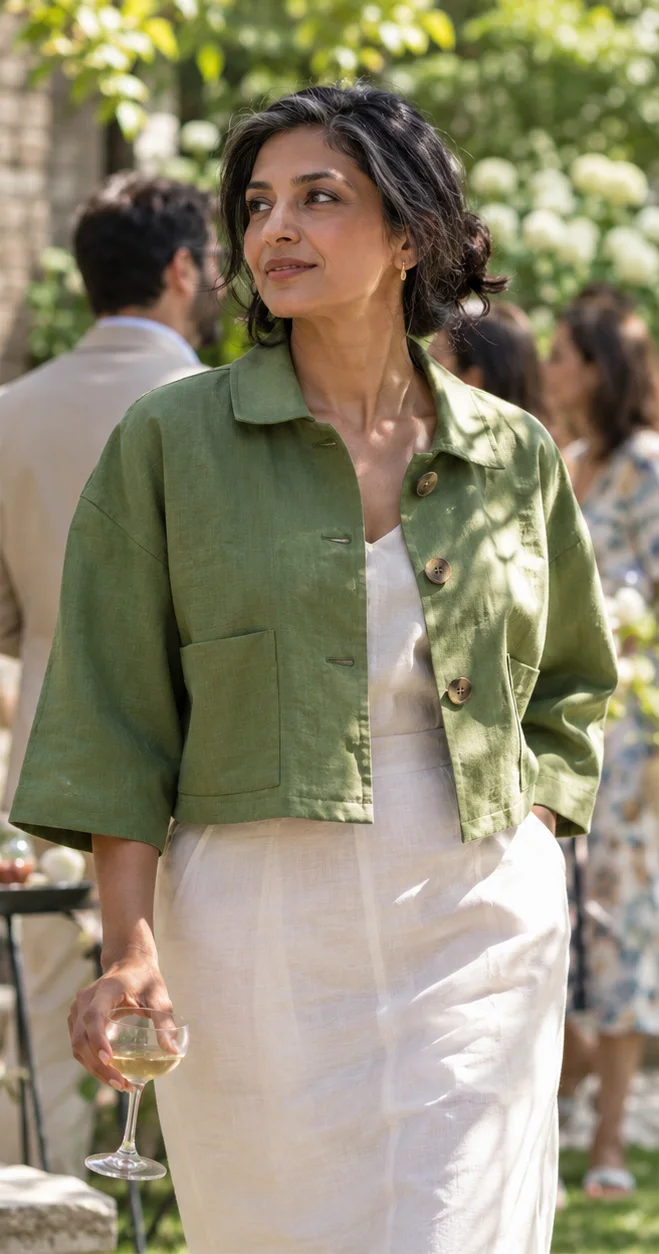
- Brands: lead SS27 with cropped jackets, sporty shells over tailoring and balloon trousers in earth tones, with metallic silver as an accent. Keep sheer pieces to blouses and overlays rather than mesh tops.
- For China: plan exclusive new items for 618 (June 2027) and Double 11, and put more weight online than in standalone stores. Heritage brocade and kesi motifs work best on modern shapes; work with makers and credit them rather than copying a named designer.
- For Japan and Korea: invest in fit, finish and technical fabrics, and size and price for tourist shoppers in department stores.
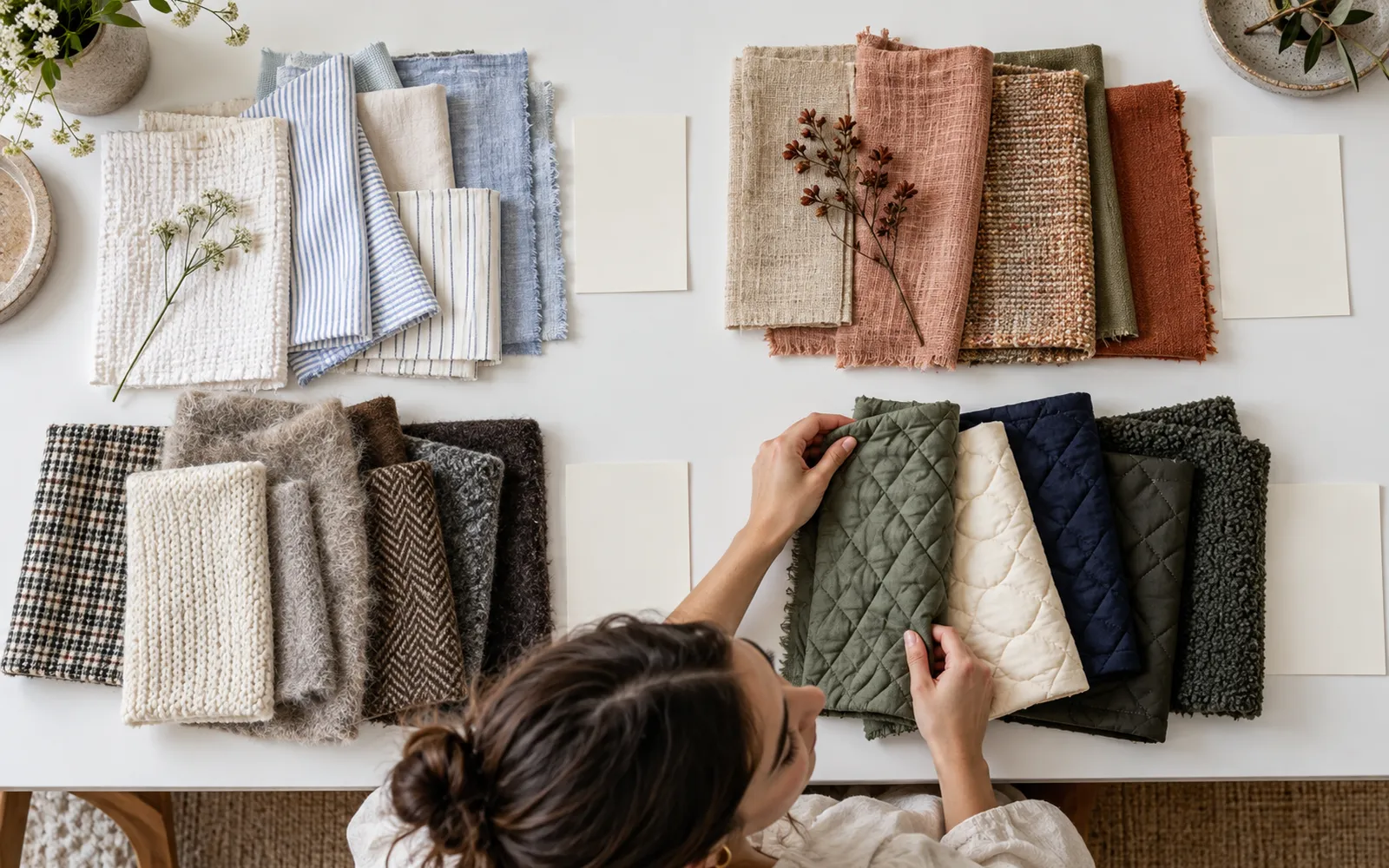
- Manufacturers: prepare light technical shells with taped seams, organza and sheer wovens, and jacquard and brocade sampling; East Asian buyers expect fast reorders.