How to choose a fashion trend forecasting service: free vs paid, global vs India, and what to check first
A buyer’s guide to fashion forecasting websites and services: what they offer, the questions to ask, how WGSN, Trendstop, Fashion Snoops, Heuritech, VisioNxt and Forecut differ, and which fits your brand.
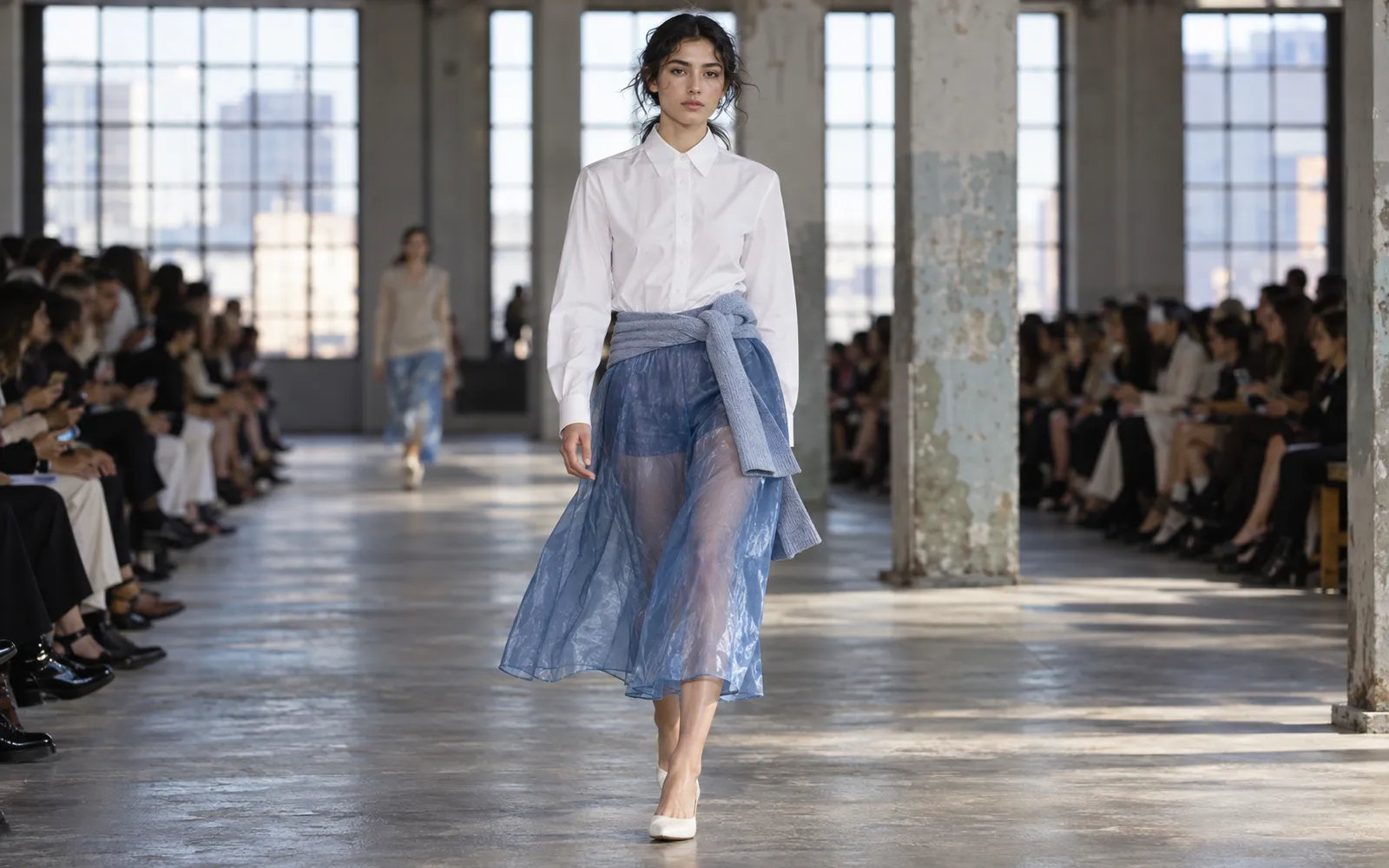
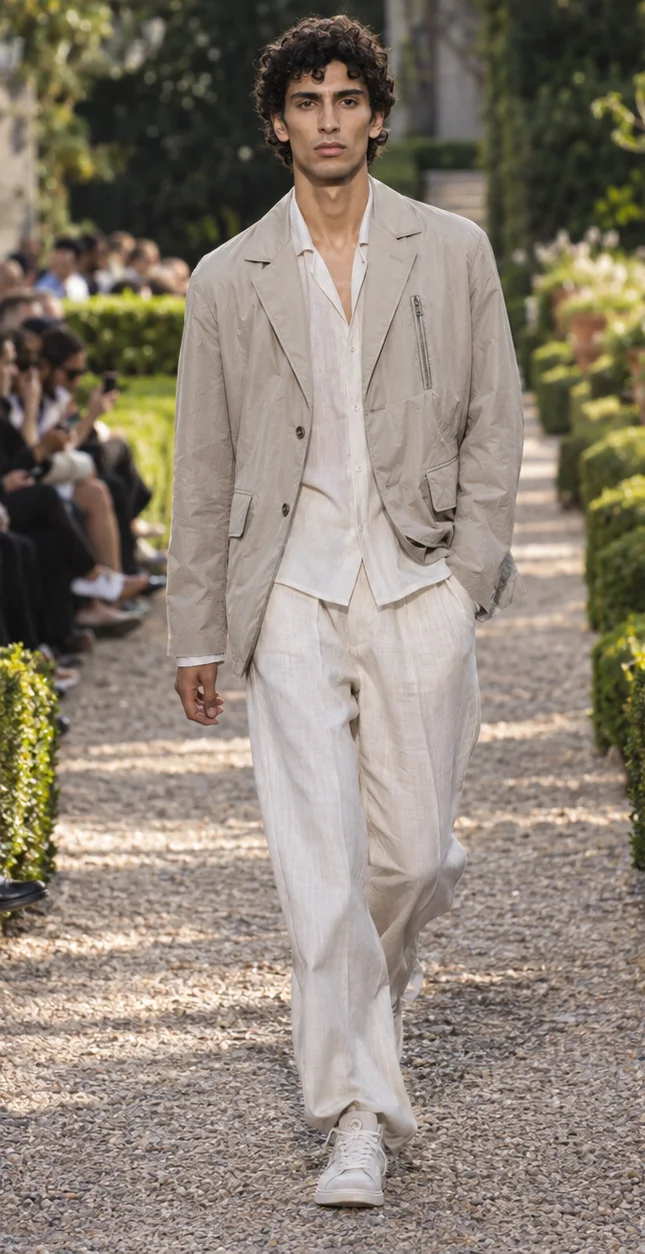
Search for “fashion forecast websites” and you will find a handful of familiar names, a lot of blogs, and very little help deciding which one is right for your business. A global sportswear brand, an Indian kurta label selling on marketplaces and a design student need very different things. This guide explains what forecasting services actually deliver, the questions to ask before you pay, and how the main options differ, so you can choose with confidence.
What a fashion forecasting service gives you
Most services sell some mix of the same building blocks. Knowing them makes it easier to compare like with like:
- Macro trends and themes: the big consumer and cultural shifts, usually two or more years ahead.
- Seasonal design direction: silhouettes, details, prints and trims for a named season such as SS27 or AW27.
- Colour forecasts: palettes for a season, ideally with codes your mill or dye house can match.
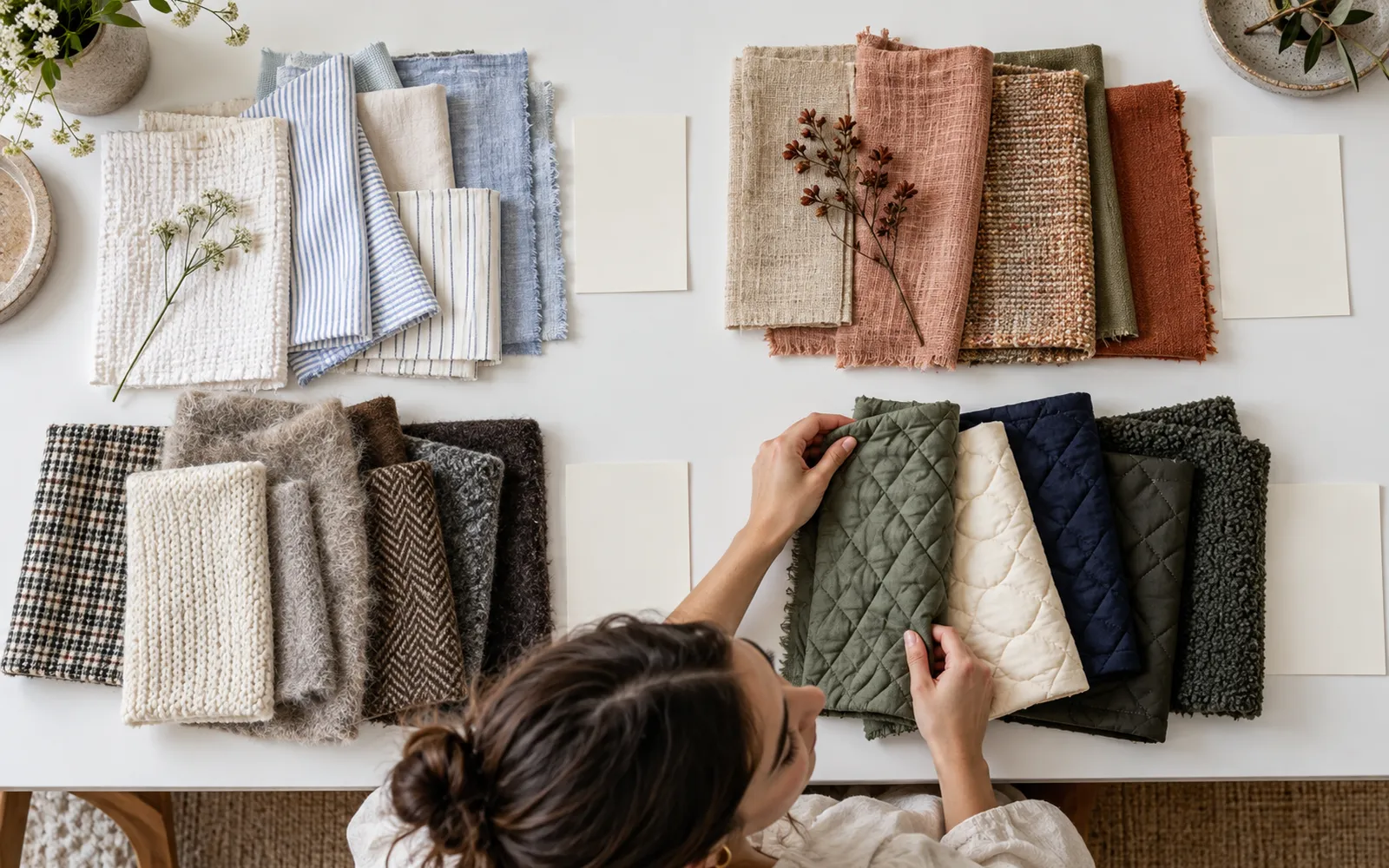
- Fabric and material direction: fibres, weights, finishes and innovations.
- Retail and market data: what is actually selling, at what price, and where.
- Catwalk and street coverage: image libraries from shows and cities.
- Tools: boards, CAD resources, planning and costing tools that turn research into a range.
Seven questions to ask before you choose
- Which markets does it read for? A forecast built on New York, London, Milan and Paris may not match what sells in Mumbai, Lagos or São Paulo. Look for regional reads, or at least regional data.
- How specific is it? You cannot sample a theme. Check whether the forecast reaches the level your team works at: the collar, the pocket, the sole, the fabric weight.
- Does it say when? A trend is only useful if you know whether it is emerging, rising, peaking or fading for your season. See our guide to reading a trend lifecycle.
- Can production use it? Colours with matchable codes, fabric specs and measurements save rounds of sampling.
- How is it made? Good services explain their method and sources. Be wary of forecasts that never say where the evidence came from.
- What does it cost, per seat and per year? Enterprise services are usually priced by quote and by number of users. Ask what is included and whether downloads are limited.
- Can you try it first? A trial, sample report or free tier tells you more than any sales deck.
The main types of service
Global enterprise platforms. WGSN is the best-known example: a long-established, London-founded subscription service covering consumer, fashion, beauty, interiors and more, with deep archives and data. It is built for large brands and retailers, and priced accordingly. Fashion Snoops, based in New York, offers trend and product direction across fashion and related categories on a subscription basis.
Specialist and boutique forecasters. Trendstop, based in London, is known for fashion and colour forecasting and for bespoke research packages. Specialists like this can suit teams that want focused direction or custom projects rather than a vast library.
AI and data-led analytics. Companies such as Heuritech, based in Paris, analyse very large volumes of social-media and runway images to measure how trends grow. These tools are strong on quantifying demand and are usually sold to larger brands.
India-focused research. VisioNxt, an initiative backed by the Ministry of Textiles and run with NIFT, publishes trend insights built around Indian consumers and regions. It is a useful public reference for anyone designing for the Indian market.
Free and low-cost sources. Trade press, fashion-week coverage, colour-institute announcements and brand reports are free but scattered. They take time to turn into a usable range plan.
Where Forecut fits
Forecut is a newer, detail-level forecasting platform built in India for brands, exporters, designers and students who need direction they can act on. It is not a replacement for an enterprise data platform; it is designed for teams that want specific, practical answers without an enterprise contract. What it offers:
- Detail-level forecasts for each season (AW26, Resort 27, SS27, Pre-Fall 27 and longer-range outlooks), with every garment, detail, colour and fabric marked emerging, rising, peaking or fading.
- Regional reads for six world regions and a dedicated India forecast for festive and summer seasons.
- Production-ready colour and fabric guidance through the colour and fabrics hubs.
- Ready-to-use reports in web and PDF format.
- Free tools for the whole garment process: an editable Pattern Maker for Western and Indian garments, the Textile Processing Studio for dye recipes and processing costs, a Tech Pack Builder, a mood and collection board and costing and planning tools. See all tools.
- A transparent method: how we forecast explains the sources and how statuses are set.
Everything is open to signed-in members on a free trial until 1 January 2027, so you can test it against your own range before deciding.
Which should you choose?
- Large global brand or retailer with a big design and buying team: an enterprise platform such as WGSN, often alongside AI analytics, plus a specialist for colour or bespoke projects.
- Mid-size or growing brand: a specialist service or a detail-level platform like Forecut, checked against your own sell-through data.
- Indian label, exporter or D2C brand: a source that reads for your markets. Combine Forecut’s India and regional forecasts with public research such as VisioNxt.
- Student or freelance designer: start with free sources and free tools, and use trials to learn how professional forecasts are structured.
Frequently asked questions
What is the best fashion forecasting website? There is no single best one. The right service depends on your markets, budget and how close to production you need the forecast to be. Use the seven questions above to compare.
Are there free fashion trend forecasting websites? Yes. Trade press, fashion-week coverage and public research such as VisioNxt are free, and Forecut is free for signed-in members during its trial until 1 January 2027.
How far ahead do fashion forecasts look? Macro trends often look two or more years ahead; seasonal design forecasts usually cover the next one to three seasons.
Is there a fashion forecasting service for India? Yes. Forecut publishes a dedicated India forecast for festive and summer seasons alongside its global seasons, and VisioNxt publishes India-focused insights.