Lakmē Fashion Week Delhi 2026: the textiles to watch
Ladakhi pashmina, natural fabrics and circular design: what to watch at Lakmē Fashion Week, 13–18 October 2026.
Lakmē Fashion Week, in partnership with the Fashion Design Council of India (FDCI), is back in New Delhi from 13 to 18 October 2026, with the main schedule at Taj Palace. This is a live story: Forecut will update it when the week closes.
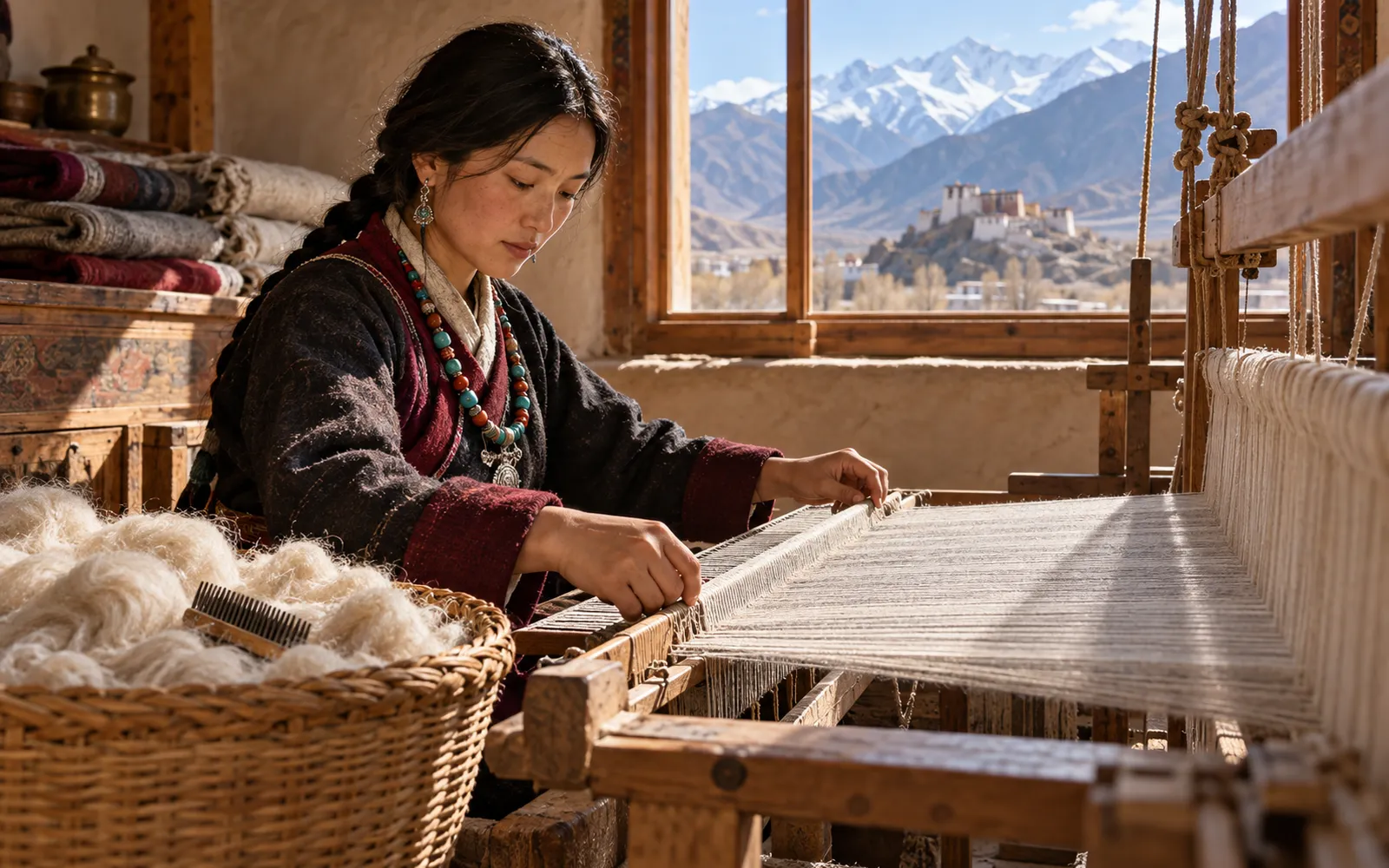
Ladakh: pashmina on the runway
On 18 October, the Department of Industries & Commerce, UT Ladakh, presents "The Fifth Season: A Fashion Story from Ladakh". It features hand-woven Ladakhi pashmina and Himalayan woollen textiles from women-led enterprises Changra Ladakh and Charkha Ladakh, with designers Stanzin Palmo (Zilzom) and Padma Yangchan (Namza Couture), and indigenous crafts named Nambu, Challi and Thigma.
Natural fabrics and craft
- The Circular Design Challenge with UN in India opens the week on 13 October.
- Countrymade focuses on natural fabrics, function and sustainability.
- PRAMA by Pratima Pandey combines textile traditions with contemporary shapes.
- Amit Aggarwal closes the week, known for structure, surface and Indian craft.
Forecut read
Provenance fibres are India's strongest fabric story into AW27: pashmina, Himalayan wool, khadi and handloom sold on origin and maker. Brands should plan shawls, jackets and wedding layers that name the fibre and the region.
What provenance fibres need to succeed
- Clear origin: state where the fibre was grown, spun and woven.
- Maker credit: name the cooperative or enterprise, with permission.
- Fair pricing: hand-spun and hand-woven fibres take time; price must cover it.
- Care guidance: pashmina and fine wools need gentle care; explain it on labels and product pages.
- Authenticity: use recognised marks where they exist, such as GI tags for certain textiles, and avoid vague claims.
Pashmina explained
Pashmina is the fine undercoat fibre from Changthangi goats raised at high altitude in Ladakh. It is very soft, light and warm. Because supply is limited and processing is mostly by hand, authentic pashmina is expensive and often blended or imitated. Brands should be precise about fibre content and avoid using "pashmina" for blends unless the label states the mix.
Product ideas for AW27
- Shawls and stoles for weddings and winter functions.
- Lightweight jackets and waistcoats in Himalayan wool.
- Wedding layers: pashmina dupattas and capes over silk lehengas.
- Menswear: shawls and mufflers paired with bandhgalas.
The global angle
Provenance and traceable natural fibres are a global luxury story, from Scottish cashmere to Andean alpaca. Indian Himalayan textiles can sit in the same category for international buyers, especially when the story, quality and traceability are documented.
Update note
This story was written while the week was running. Forecut adds confirmed runway highlights to the fabric forecast as published coverage becomes available.
Common questions
What is Changthangi pashmina? The fine undercoat fibre of Changthangi goats raised in the high-altitude Changthang region of Ladakh.
How can customers recognise genuine pashmina? By buying from trusted sources with clear fibre labelling and, where available, recognised certification or GI marks.
Why is provenance a fabric trend? Customers want to know where materials come from, and named origins support premium pricing and trust.
Sources: Elle India, Eastern Herald.