A designer's guide to printing techniques
Block, dabu, kalamkari, batik, shibori, screen, digital, discharge and devoré: how each print is made and when to use it.
The printing method changes how a design looks, feels, costs and scales. Choosing the right one is as important as the artwork.
Hand techniques
Hand block printing (Bagru, Sanganeri, Ajrakh), dabu mud resist and kalamkari give the slight irregularity customers value as handmade. They suit premium, smaller runs and need longer lead times.
Resist dyeing
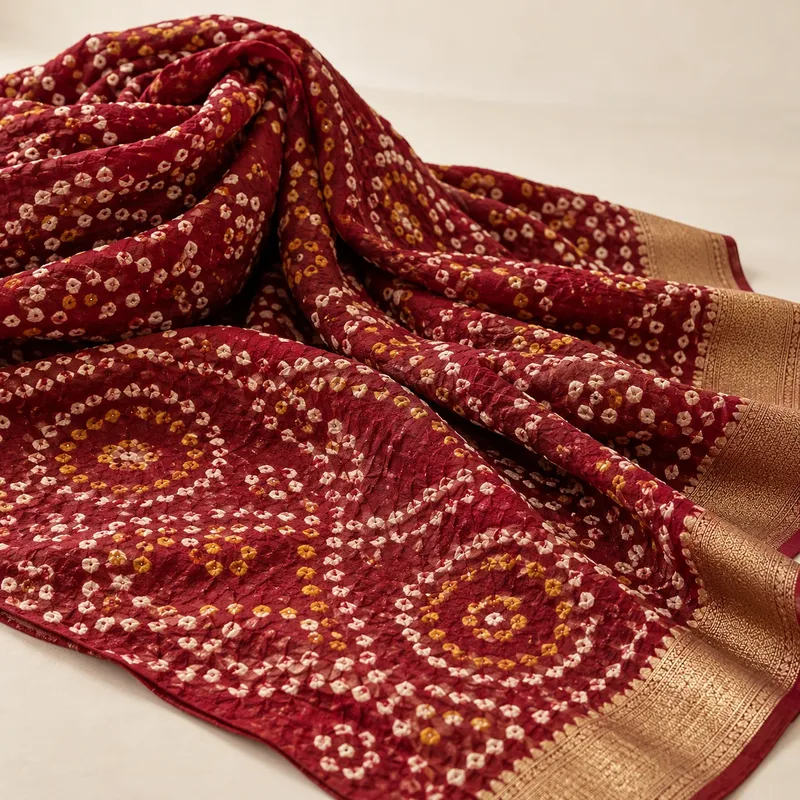
Batik uses wax, while shibori and bandhani use folding and tying. Each creates soft, organic patterns that can't be exactly repeated.
Industrial printing
Screen and rotary printing are efficient for large runs. Digital printing allows photographic detail and short runs with less water, and is ideal for testing new designs.
Special effects
Discharge printing gives soft light-on-dark designs, foil adds festive shine, and devoré burns out patterns in velvet and satin.
Choosing a method: cost, minimums and lead time
- Hand block: low set-up cost per block, modest minimums, longer lead times, visible handmade character.
- Screen (flatbed): screens needed for each colour; good for bold graphics and medium runs.
- Rotary: higher set-up, lowest unit cost at scale; best for large repeat orders.
- Digital: almost no set-up, unlimited colours, ideal for sampling, short runs and photographic artwork; unit cost is higher at volume.
Repeats and placement
All-over prints run in a repeat, the size of the pattern before it starts again. Screen and rotary repeats are limited by screen size; digital prints can have very large repeats. Placement or engineered prints are designed for a particular pattern piece, such as a border on a saree, a scarf print or a print that follows the hem of a dress.
Matching print and fabric
- Pigment prints sit on the surface and suit cottons and blends; they can feel slightly stiffer.
- Reactive dyes bond with cellulose fibres (cotton, linen, viscose) and give soft, bright results.
- Acid dyes suit silk and wool.
- Disperse dyes and sublimation suit polyester.
Print trends to watch
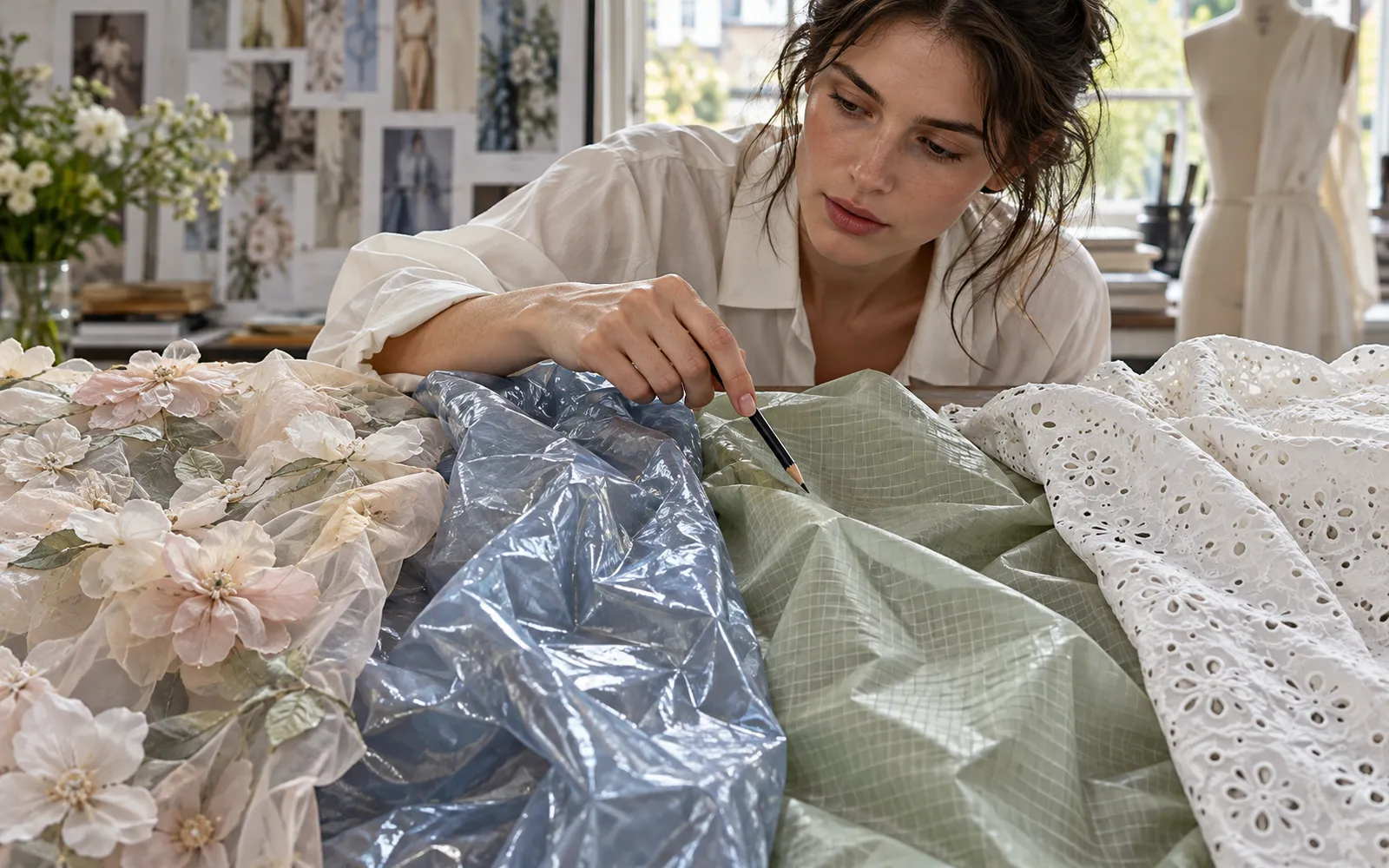
Forecut tracks trompe-l'oeil textures, faded and vintage florals, and hand-block motifs used on modern silhouettes. For warm climates, prints that imitate heavier textures let customers wear the look in light fabrics.
Quality checks
- Rub fastness (dry and wet).
- Wash fastness and colour bleeding, especially for strong reds and indigos.
- Registration: colours lining up correctly in multi-colour prints.
- Hand feel after printing and washing.
Common questions
Which printing method is best for small runs? Digital printing, because it needs no screens and allows many colours with low minimums.
What is Ajrakh? A traditional resist and block-printed textile from Kutch in Gujarat and Sindh, known for deep indigo and madder red geometric patterns.
How do I prevent print colours from bleeding? Choose the right dye class for the fibre, request wash-fastness tests and wash the first garments before approving bulk.