Fabrics to watch for 2027–28
Eight material directions Forecut expects to grow over the next seasons, and how to use them.
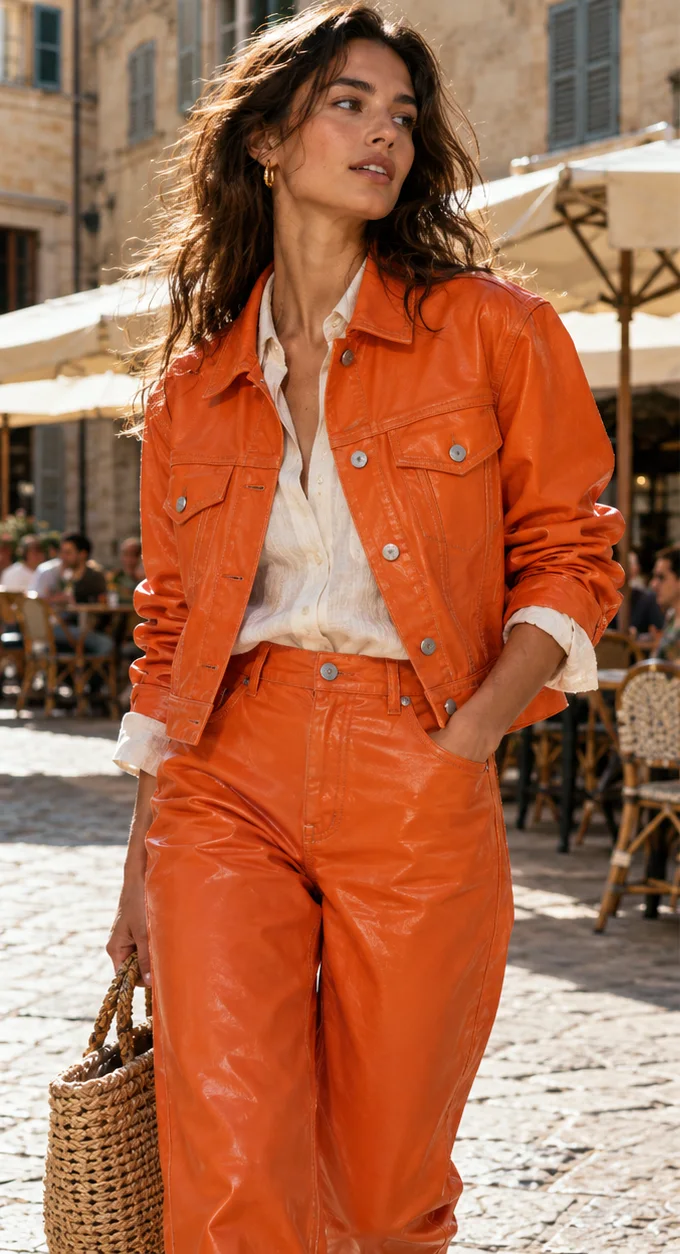
These are the fabric directions Forecut expects to move from fairs into collections over 2027 and 2028.
- PFAS-free performance for outerwear and travel.
- Bio-based polyesters in activewear and functional pieces.
- Mono-material construction with matching threads and trims.
- Regenerative cotton denim with traceability.
- Trompe-l'oeil prints that imitate texture on light fabrics.
- Upholstery velvets and jacquards in eveningwear and jackets.
- Irregular, handmade-looking surfaces: slubs, crinkles, uneven dye.
- Handloom as quiet luxury, sold with provenance.
How to use this
Pick one or two directions that fit your customer and test them in a small capsule before committing to bulk. Ask suppliers for certifications and test performance against your current fabrics.
Direction by direction
- PFAS-free performance: expect it first in rainwear, travel and outdoor ranges; check wash durability before making claims.
- Bio-based polyesters: early volumes in activewear; useful where buyers ask for lower fossil content.
- Mono-material construction: matching threads, labels and trims in the same fibre family so garments can be recycled.
- Regenerative cotton denim: cotton from farms using soil-health practices, sold with traceability data.
- Trompe-l'oeil prints: prints that look like texture (tweed, knit, lace) on light fabrics, ideal for warm climates.
- Upholstery velvets and jacquards: rich surfaces in jackets, eveningwear and bags.
- Irregular, handmade-looking surfaces: slubs, crinkles and uneven dyes that suggest craft.
- Handloom as quiet luxury: premium positioning with provenance, especially for summer shirting and occasion wear.
Timing
Fair signals appear about a year before stores. The directions above were visible at the summer and autumn 2026 fairs and are expected in collections from SS27 (in early form) through AW28. Forecut marks the stage of each on the fabric forecast.
Matching directions to customers
- Value brands: trompe-l'oeil prints and irregular surfaces offer a fresh look at low cost.
- Premium brands: handloom, regenerative cotton and velvets carry a story worth a higher price.
- Performance and outdoor: PFAS-free and bio-based synthetics are becoming essential.
- Exporters: mono-material and traceability prepare you for buyer and regulatory requirements in Europe.
A testing plan
Choose one direction per category. Sample two or three qualities, wear-test them, check them in your own washing and colour tests, and launch a small capsule. Use sell-through and returns data to decide what to scale.
Common questions
Which direction is the safest bet? Irregular, handmade-looking surfaces and PFAS-free performance, because they are supported by mills, runways and buyer requirements.
What is mono-material design? Making a garment from one fibre family, including thread and trims, so it can be recycled more easily.
Are trompe-l'oeil prints commercial? Yes. They give the look of texture at low cost and work well in hot climates where heavy textures are impractical.