Woven vs knit: how to choose the right fabric construction
The difference between woven and knitted fabrics, and how construction changes fit, comfort and production.
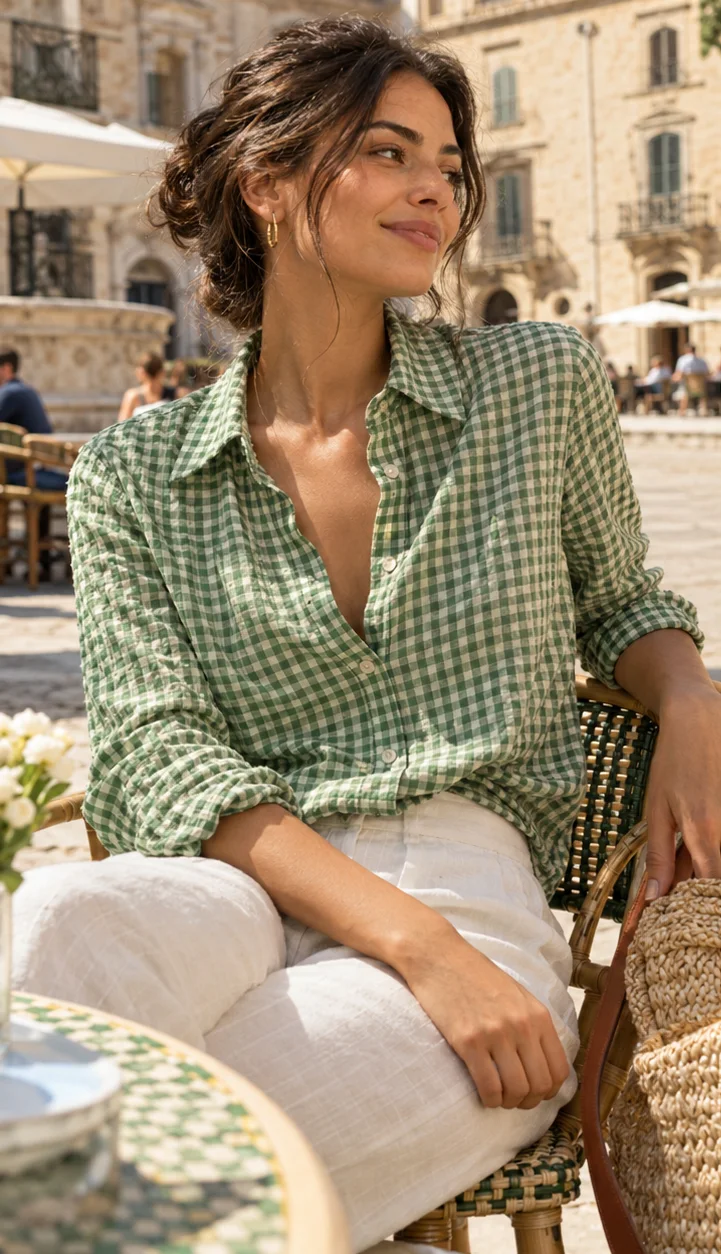
Before fibre, colour or print, the first fabric decision is construction: is it woven or knitted? It changes how the garment fits, moves, is cut and is sewn.
Woven fabrics
Two sets of yarns, warp and weft, interlace at right angles. Wovens are stable, hold a crisp shape and take pleats and tailoring well. They stretch only on the bias unless elastane is added.
Knitted fabrics
One continuous yarn forms interlocking loops. Knits stretch, recover and drape close to the body, which makes them comfortable and forgiving in fit.
How to choose
- Structure needed? Choose a woven: shirts, tailoring, structured dresses.
- Movement and comfort? Choose a knit: tees, activewear, loungewear.
- Fitted without darts? A knit or a stretch woven.
- Sharp creases and pleats? A woven with good memory.
Production tips
Knits need stretch stitches or overlockers and careful handling to avoid distortion. Wovens fray, so seam finishing matters. Always test shrinkage on both before cutting bulk.
Common woven fabrics
- Poplin: fine plain weave for shirts.
- Twill: diagonal weave for chinos and denim.
- Satin: long floats for sheen.
- Oxford: basket weave for casual shirts.
- Canvas: heavy plain weave for bags and outerwear.
Common knits
- Single jersey: T-shirts; curls at the edges.
- Rib: stretchy, for cuffs, collars and fitted tops.
- Interlock: double knit, smooth both sides, more stable.
- Piqué: textured knit for polo shirts.
- Fleece and French terry: brushed or looped backs for sweatshirts.
Pattern and fit differences
Knit patterns usually have negative or zero ease, because the fabric stretches. Woven patterns need positive ease and darts or seams for shape. A woven pattern sewn in a knit will be too big; a knit pattern sewn in a woven may not fit at all. Always grade and fit separately for each construction.
Stretch wovens
Adding elastane or using mechanical stretch gives wovens some give while keeping a tailored look. They are popular in trousers, denim and commuter suiting. Check recovery: poor recovery leads to baggy knees and seats.
Climate and comfort
In hot, humid climates, open wovens such as voile and linen and light knits such as cotton jersey breathe best. In cold climates, dense wovens block wind while knits trap warm air. Many garments combine both: a woven shell with a knit lining or rib trims.
Common questions
Is denim woven or knitted? Traditional denim is woven, usually in a twill weave. "Knit denim" is a knit that imitates the denim look.
Which is more comfortable? Knits generally feel softer and stretch more; stretch wovens offer a middle ground.
Can you use the same pattern for both? Not without adjustment. Knits need less ease and often no darts.