Elastane-free natural stretch: comfort tailoring without synthetics
Wool, cashmere and mohair fabrics that stretch through yarn and weave alone. Forecut's report on the premium tailoring innovation.
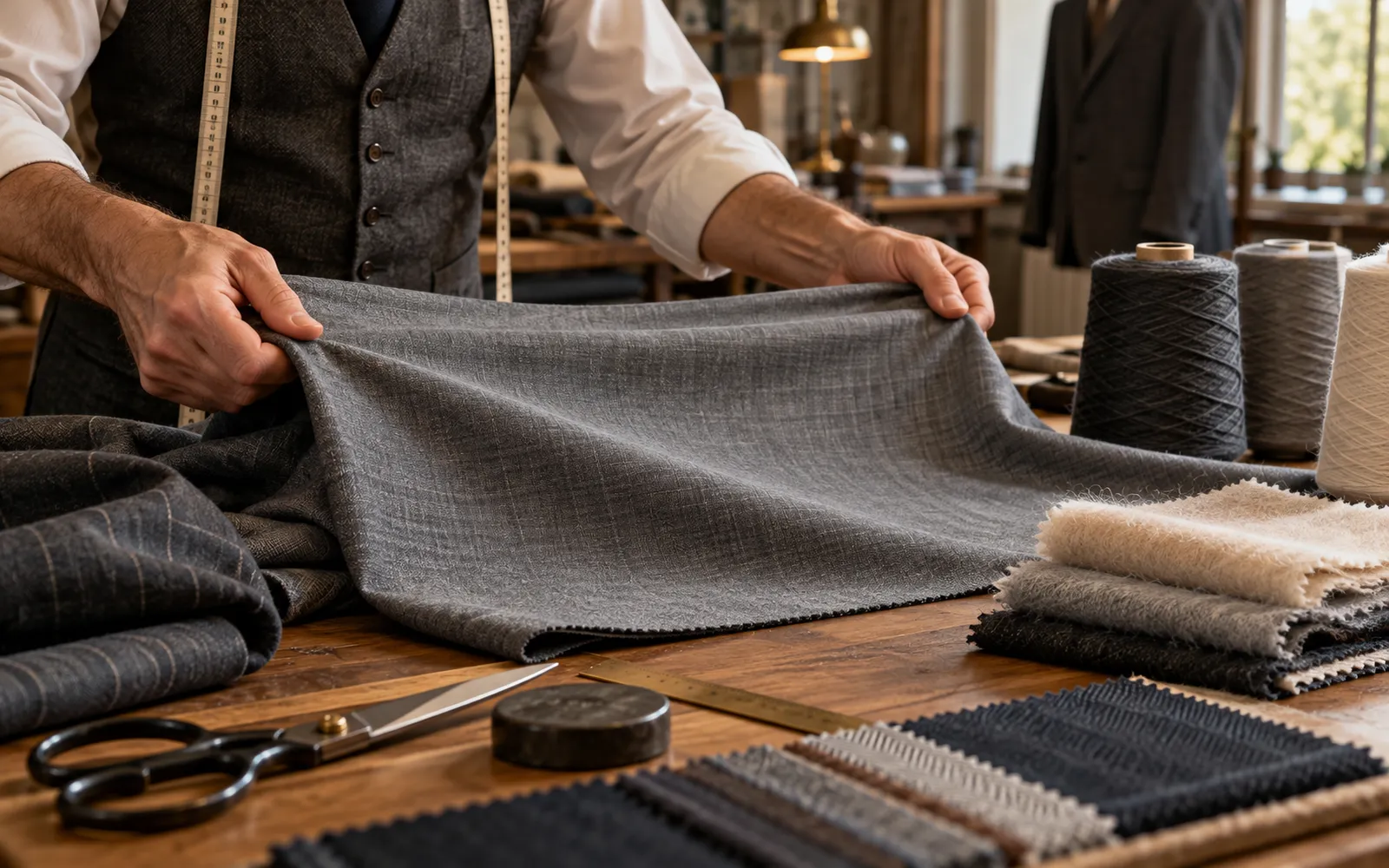
Stretch normally comes from blending in elastane, which makes natural-fibre fabrics harder to recycle. Mills are now engineering stretch from the yarn and weave themselves, so a 100% natural-fibre fabric can still move with the body.
Where it was seen
At Intertextile Shanghai Apparel Fabrics (25–27 August 2026), Italian mill Trabaldo Togna presented 100% natural-fibre stretch fabrics in fine wool, cashmere and mohair, made without elastane.
How it works
Mechanical stretch comes from highly twisted yarns and weave structures (such as crepe and certain twills) that act like a spring when the fabric is pulled and recover when released. The stretch is gentler than elastane but keeps the fabric mono-material.
What it means for Indian brands
Premium tailoring, travel suits and wedding menswear are growing in India, and buyers want comfort without a "technical" look. Natural stretch lets brands sell comfort and a pure-fibre story together.
What to do now
- Ask suiting suppliers for mechanical-stretch wool qualities for AW27 tailoring.
- Fit-test: mechanical stretch behaves differently from elastane, so adjust ease in patterns.
- Use the "100% wool, natural stretch" story on labels and product pages.
The problem it solves
Blending elastane into wool, cotton or silk makes garments harder to recycle and can reduce their lifespan as the elastane ages. Mechanical stretch keeps the fabric in one fibre family while still giving comfort.
Relevance by region
- Europe: premium tailoring and the push for recyclable mono-material products.
- Japan and Korea: clients who value natural fibres and refined comfort.
- India and the Gulf: travel suiting and wedding menswear that must be comfortable for long events.
- North America: commuter and work-from-anywhere tailoring.
Questions to ask suppliers
- What stretch percentage and recovery does the fabric achieve?
- How does it behave after pressing and steaming?
- Is the fabric available in lighter weights for warm climates?
- What is the minimum order for development colours?
Claims and labelling
Describe it as "natural mechanical stretch" or "stretch from the weave", and state the fibre content (for example "100% wool"). Do not compare stretch levels with elastane fabrics unless you have tested both.
Forecut verdict
A premium story with steady growth. Best for tailoring and suiting brands that want comfort without a technical look.
Common questions
How much stretch can natural fabrics give? Usually less than elastane blends, but enough for comfortable tailoring.
Does mechanical stretch last? It depends on the yarn and weave; test recovery after wear and pressing.
Sources: Textile World.