Building a colour story for your collection
A step-by-step method from inspiration to a production-ready palette with TCX codes.
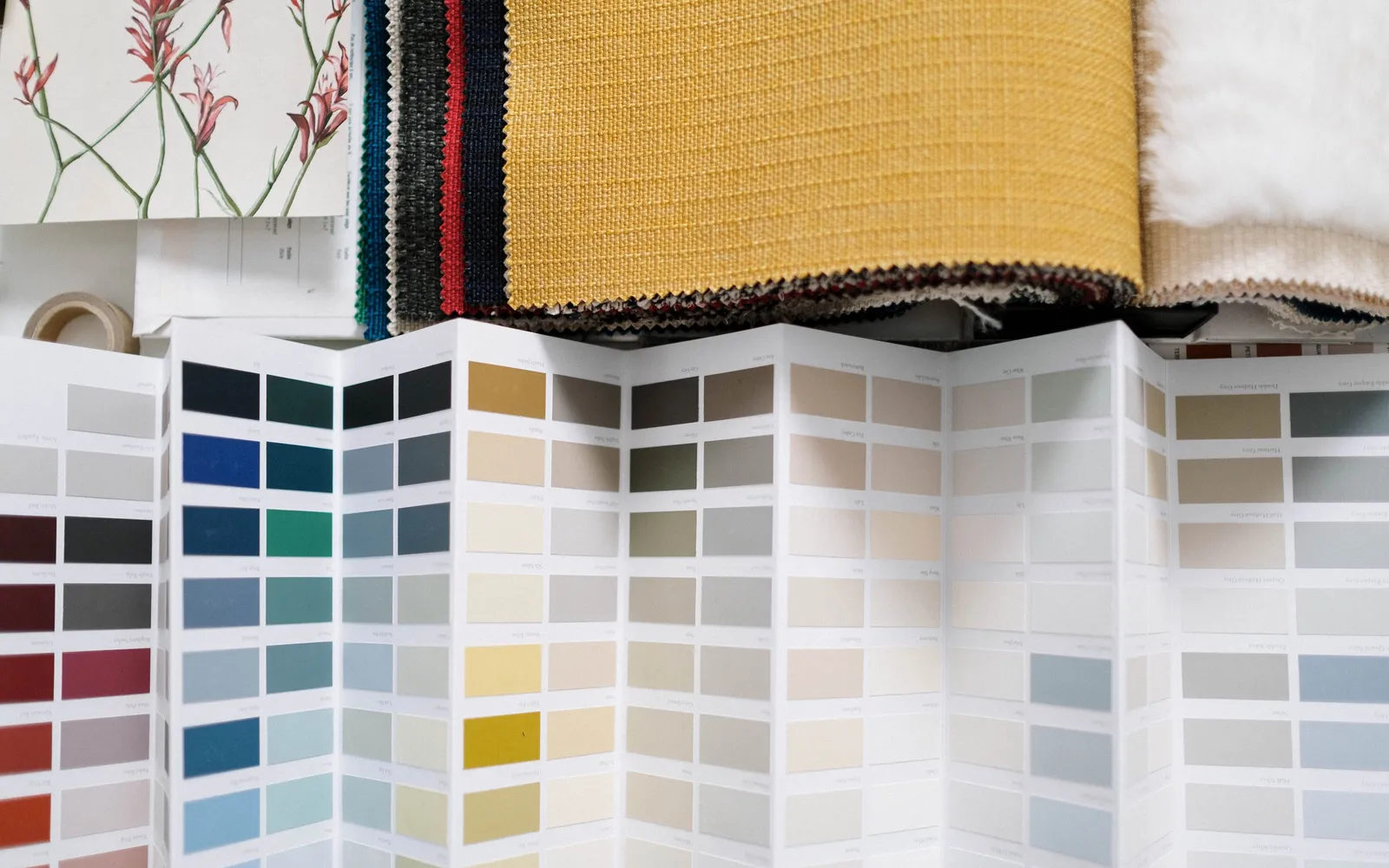
Photo: cottonbro studio / Pexels · Pexels License (https://www.pexels.com/license/)
A colour story connects every product in a collection. Here is a simple method that works for brands of any size.
1. Start from the season
Look at the season palette and choose the colours that fit your customer and price point. Not every trend colour suits every brand.
2. Set the roles
- Core: best-selling, repeatable colours.
- Fashion: trend colours that create excitement.
- Neutral: colours that make everything combine.
3. Fix the references
Assign every colour a Pantone TCX reference and a name your team will use consistently in tech packs and product listings.
4. Plan the mix
Decide how many styles each colour gets. A common split is about 60% core, 25% fashion and 15% neutral, adjusted to your sales history.
5. Review in context
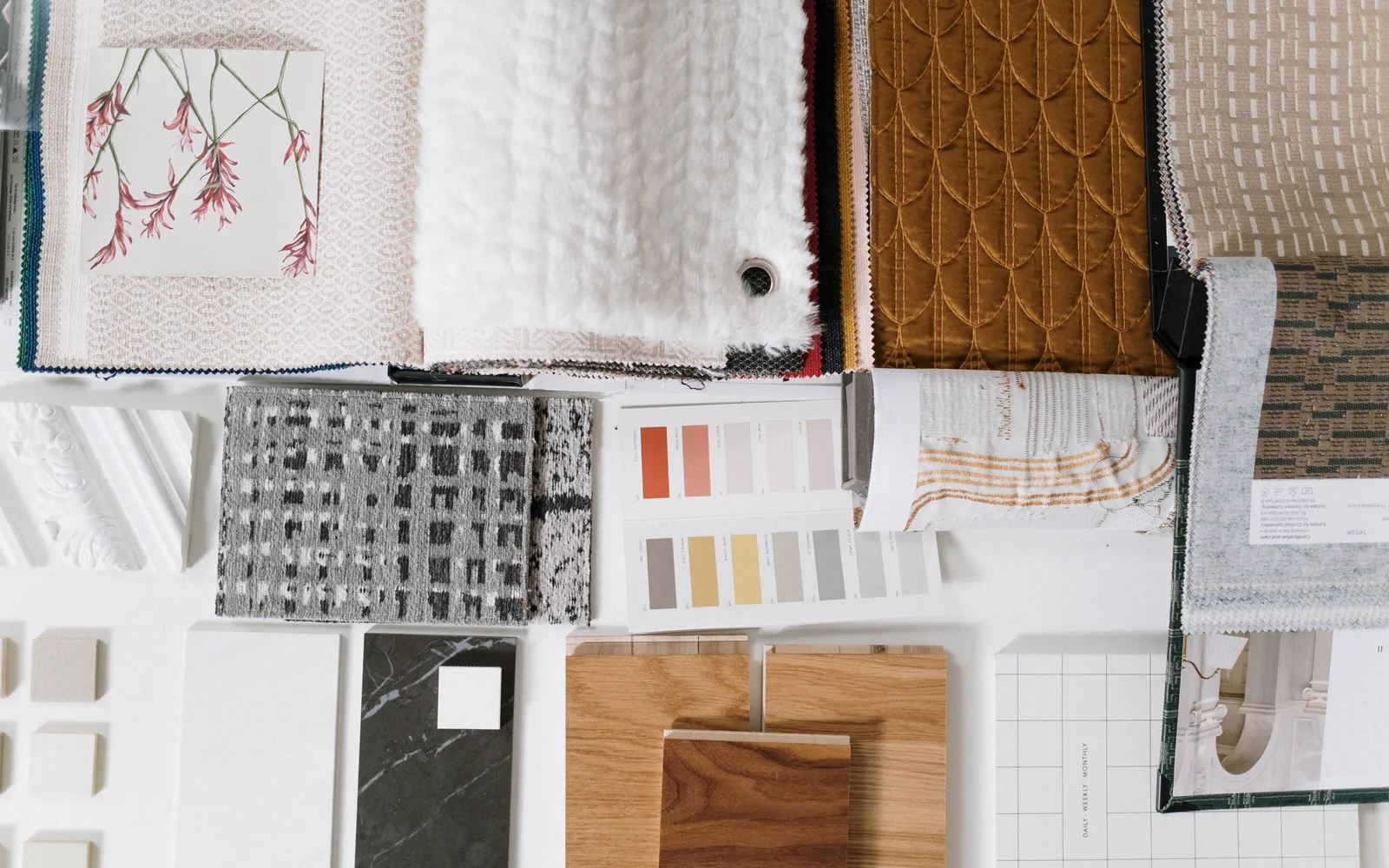
Lay out fabric swatches together under daylight before approving. Colours that work alone can clash as a group.
6. Name and describe each colour
Give every colour a short, memorable name that works for customers, such as "Monsoon Moss" or "Clay Pink", alongside its internal code and TCX reference. Use the same name in tech packs, product listings and marketing so the story stays consistent.
7. Check colour across categories
The same colour can look different in knitwear, denim, footwear and accessories. Review all categories together so a customer can build a full outfit. Small adjustments per fabric are normal; the goal is a family that looks intentional.
8. Plan by region and season
- Southern hemisphere: the northern spring palette usually arrives in stores there about six months later.
- Hot climates: lighter, brighter versions often sell better in summer.
- Festival and holiday windows: add seasonal accents for Diwali, Eid, Lunar New Year or Christmas.
- Cooler markets: deeper versions of the same colours extend the story into autumn.
9. Learn from sales
After the season, compare sales by colour with your plan. Note which colours sold out, which needed markdowns and which worked only in certain categories. This history makes the next colour story more accurate.
Example: a six-colour capsule
- Core: navy and ecru.
- Fashion: luminous blue and clay pink.
- Neutral: stone and chocolate.
- Accent (small quantities): marigold for trims and accessories.
Common questions
How many colours should a colour story have? Most use six to ten colours, including core, fashion and neutral roles.
Should I follow every trend colour? No. Choose the trend colours that suit your customer and price point.
How do I check colours across fabrics? Lay out real swatches of all fabrics together under daylight and store lighting.