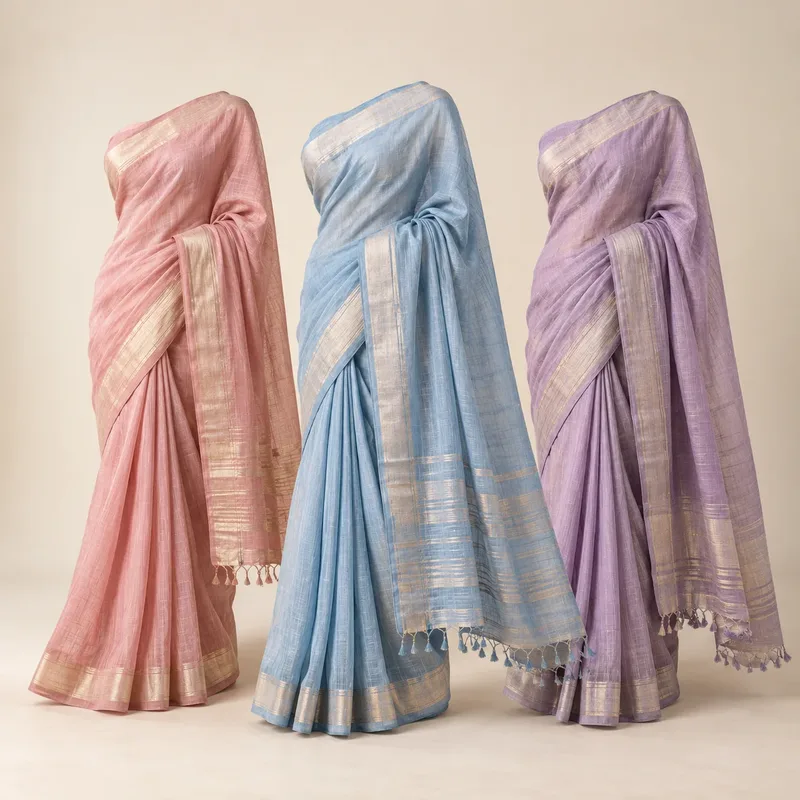
Pantone TCX, lab dips and getting colour right in production
What TCX means, why screen colours are approximate and how to approve colour with your factory.

Photo: cottonbro studio / Pexels · Pexels License (https://www.pexels.com/license/)
A colour that looks perfect on screen can arrive in bulk looking completely different. A clear colour process prevents most of these problems.
What is TCX?
Pantone's fashion and textile system includes TCX references, which are dyed on cotton. Each has a code such as 16-0237 TCX. The code is a shared reference between designer, mill and factory.
Why screens are approximate
Screens emit light, while fabric reflects it, and every screen is calibrated differently. Forecut shows the nearest TCX reference to each palette colour, but always approve against a physical standard.
The approval process
- Send the TCX reference with fibre and fabric base.
- Agree a light source for approvals (for example D65 daylight).
- Review two or three lab dips and approve one.
- Keep the signed approved dip as the standard.
- Check bulk against that standard, not the screen.
Different fibres, different results
The same dye looks different on cotton, silk, polyester and wool. Approve colour separately on each fabric base in a collection.
Other colour systems you will meet
- TPG: Pantone's paper-based fashion and home references, useful for print and packaging.
- Pantone Solid Coated and Uncoated: print inks, not textile standards.
- RGB and HEX: screen colours used for websites and digital design.
- Mill or dye-house standards: some suppliers use their own colour cards.
- Spectrophotometer data: numeric colour measurements (often CIELAB) used to compare dips objectively.
Understanding colour tolerance
No dye lot matches a standard perfectly. Brands set a tolerance: how close a dip or bulk shipment must be to pass. Instrument-based measurement gives a number for the difference, which is more consistent than visual judgement alone. Agree on the tolerance and method with suppliers before production.
Metamerism
Two colours that match under one light can look different under another. This is called metamerism. It is common when different fibres or dyes are used, for example a cotton top and a polyester skirt meant to match. Checking under at least two light sources, such as daylight and store lighting, catches most problems.
Approving colour for multiple regions
If you produce the same style in different factories or countries, use the same physical standard, the same light source and the same tolerance everywhere. Keep approved standards in good condition, away from light and moisture, and replace them when they age.
A simple colour file for each season
- Colour name used in the business.
- Pantone TCX reference.
- Approved standard for each fabric base.
- Approved lab dip codes per supplier.
- Notes on fibre-specific adjustments.
Common questions
What does TCX stand for? It refers to Pantone's cotton-dyed textile standards in the Fashion, Home + Interiors system.
Why do my lab dips look different under shop lights? This is metamerism. Approve colours under the agreed light source and check under store lighting too.
How many lab dips should I request? Usually two or three options per colour, then refine the closest one.