Designing colour for Indian skin tones
Undertones, contrast and how to present colour so it flatters a wide range of customers.
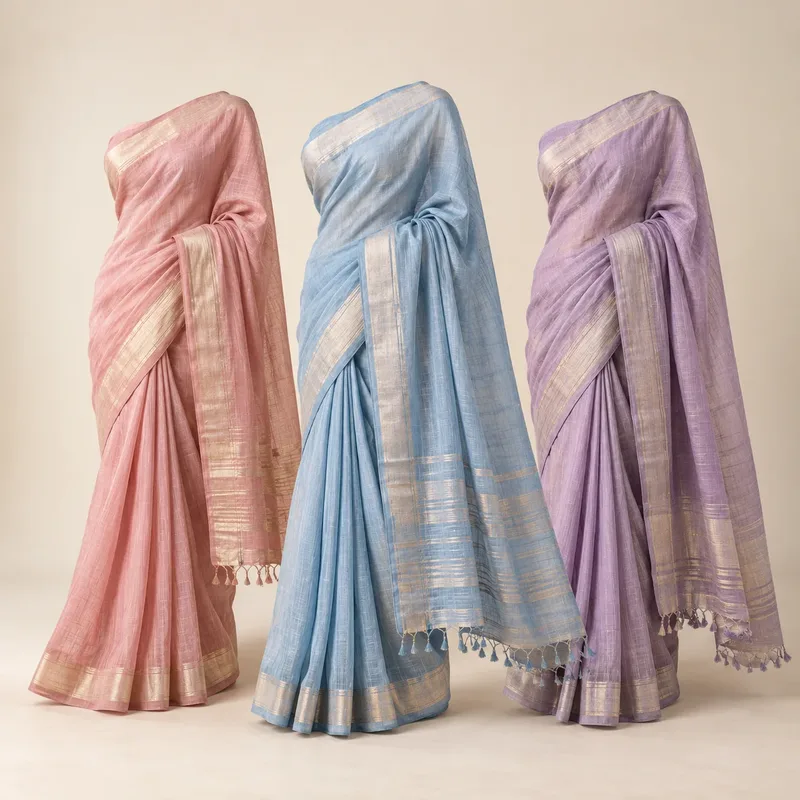
India's customers span a wide range of skin tones. Thinking about undertone and contrast helps colour stories work for more people.
Undertones
Warm undertones often glow in earthy colours, golds and warm reds; cool undertones often suit blues, emerald and berry tones. Many people sit in between and can wear both.
Contrast
High-contrast colour combinations can feel bold; tonal looks feel softer. Offering both options in a capsule widens its appeal.
Show it on real people
Photograph key colours on models with different skin tones. It is the simplest way to help customers imagine the colour on themselves.
Undertones in practice
Undertone is the subtle hue beneath the surface of the skin. A simple guide: if gold jewellery tends to look better, the undertone may be warm; if silver looks better, it may be cool; if both work, it may be neutral. These are tendencies, not rules, and personal taste matters most.
Colours that work broadly
- Jewel tones such as emerald, sapphire, ruby and amethyst flatter a wide range of skin tones.
- Soft whites and ivories are often easier to wear than stark optical white.
- Deep neutrals such as navy, charcoal and chocolate work as alternatives to black.
- Mid-tone versions of trend colours are usually more wearable than the most saturated versions.
Contrast and value
The difference between skin, hair and eye colour is called personal contrast. People with high contrast often look striking in strong colour combinations; people with low contrast may prefer tonal looks. Offering both strong and tonal outfits in a range helps more customers find their look.
Designing for global customers
Customers around the world have a wide range of skin tones and undertones. Brands selling internationally should test key colours on a diverse group of fit models and in photography, so product images help customers choose well. This also reduces returns caused by colour disappointment.
Inclusive product photography
- Show each hero colour on at least two or three different skin tones.
- Use consistent, colour-accurate lighting.
- Add close-up fabric shots in daylight.
- Describe colours with clear names and comparisons ("a warm mid-pink").
Nude and skin-tone basics
Products sold as "nude" or "skin" colours, such as lingerie, hosiery, footwear and linings, should be offered in a range of shades, not just one. Many brands now offer five or more shades for these categories.
Common questions
How do I find my undertone? A simple test is whether gold or silver jewellery looks better on you; many people suit both.
Which colours suit most people? Jewel tones, soft whites and deep neutrals tend to flatter a wide range of skin tones.
Why should brands test colours on different skin tones? Colours look different on different skin, and accurate photography reduces returns.