The colours of Indian celebrations
How colour works across Indian weddings and festivals, and how modern palettes are evolving.
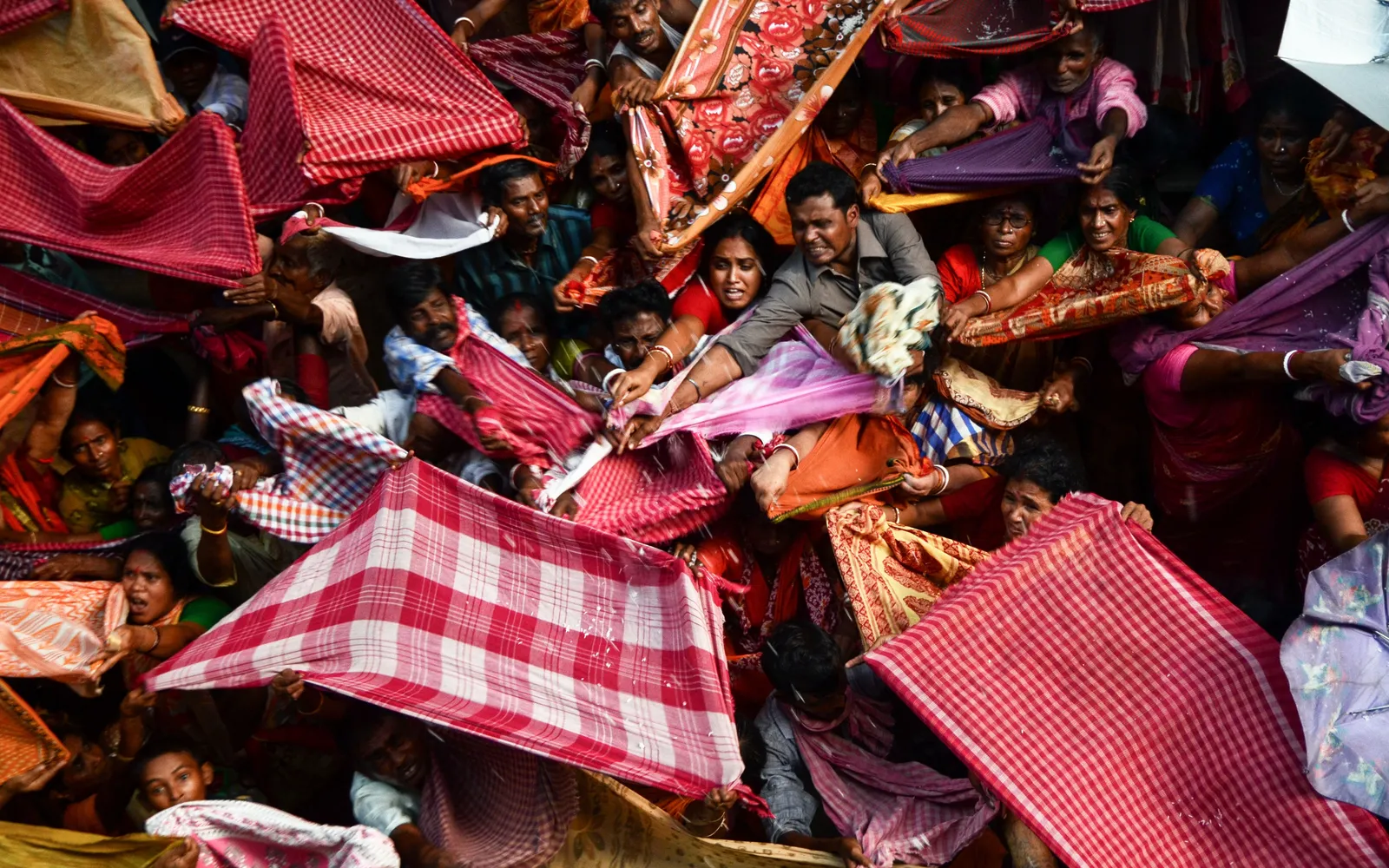
Photo: Debarshi Mukherjee / Pexels · Pexels License (https://www.pexels.com/license/)
In India, colour carries meaning. Understanding it helps designers create occasion wear that feels both personal and right for the moment.
Wedding colours
Red and deep pink have long been associated with brides in many regions, while yellow is linked with the haldi ceremony and green with mehendi. Traditions vary widely by region and community, so always design with the customer's context in mind.
Festival colours
Diwali favours jewel tones and gold; Navratri celebrates bright, varied colours; Onam is associated with ivory and gold kasavu. Holi is about colour itself.
How palettes are changing
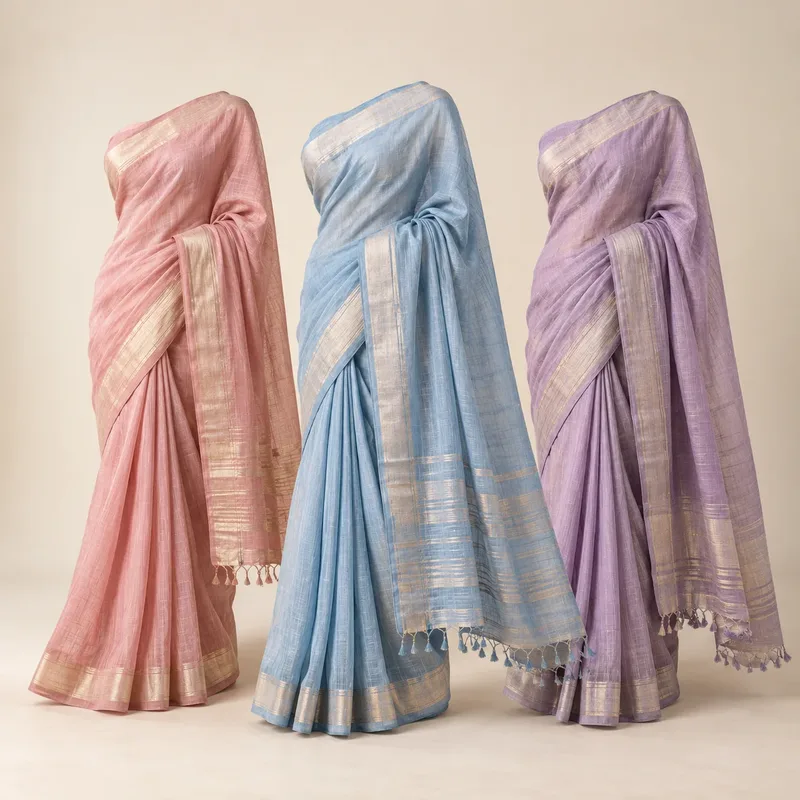
- Pastels, ivory and sage alongside traditional reds.
- Tone-on-tone looks where texture replaces contrast.
- Champagne and antique gold instead of bright yellow gold.
- Jewel-toned velvets for winter evening functions.
Regional colour traditions
- Kerala: ivory and gold kasavu for Onam and weddings.
- Bengal: red-bordered white sarees (laal paar) for Durga Puja.
- Maharashtra: the nine colours of Navratri are widely followed, with a colour for each day.
- Rajasthan and Gujarat: bright pinks, oranges and greens, with leheriya and bandhani patterns.
- Punjab: vivid phulkari colours and festive pinks and yellows.
- South India: rich silk colours such as temple reds, mango yellows and peacock blues.
Designing a festive range
Start with the festival calendar for your customers and choose two or three hero colours for each window: for example jewel tones and gold for Diwali, varied brights for Navratri, ivory and gold for Onam. Add a set of pastels and neutrals for customers who prefer a softer look.
Metallics and finishes
Gold remains central, but the shade has shifted: antique gold, champagne and rose gold now sit alongside bright yellow gold. Silver and gunmetal work with cooler palettes. Matte zari and tonal metallic threads give a quieter festive look.
Festive colour beyond India
South Asian communities in the UK, North America, the Gulf, Southeast Asia and Australia celebrate the same festivals and look for the same colour cues, often in silhouettes that also suit local events. Other celebrations follow similar logic: red and gold for Lunar New Year, emerald, gold and white for Eid, and red, green and gold for Christmas. A colour strategy built around the calendar works in every market.
Respecting meaning
Colour associations vary by region and community and are changing over time. When in doubt, ask customers, use clear product descriptions and offer choice rather than assuming one tradition.
Common questions
What are the colours of Navratri? Each day has a designated colour, announced each year; the order changes annually.
Which colours are popular for Diwali? Jewel tones such as emerald, ruby and royal blue, plus gold, maroon and festive pinks.
Is white worn at Indian festivals? Yes, in some regions and festivals, such as ivory and gold for Onam and white sarees with red borders in Bengal.